
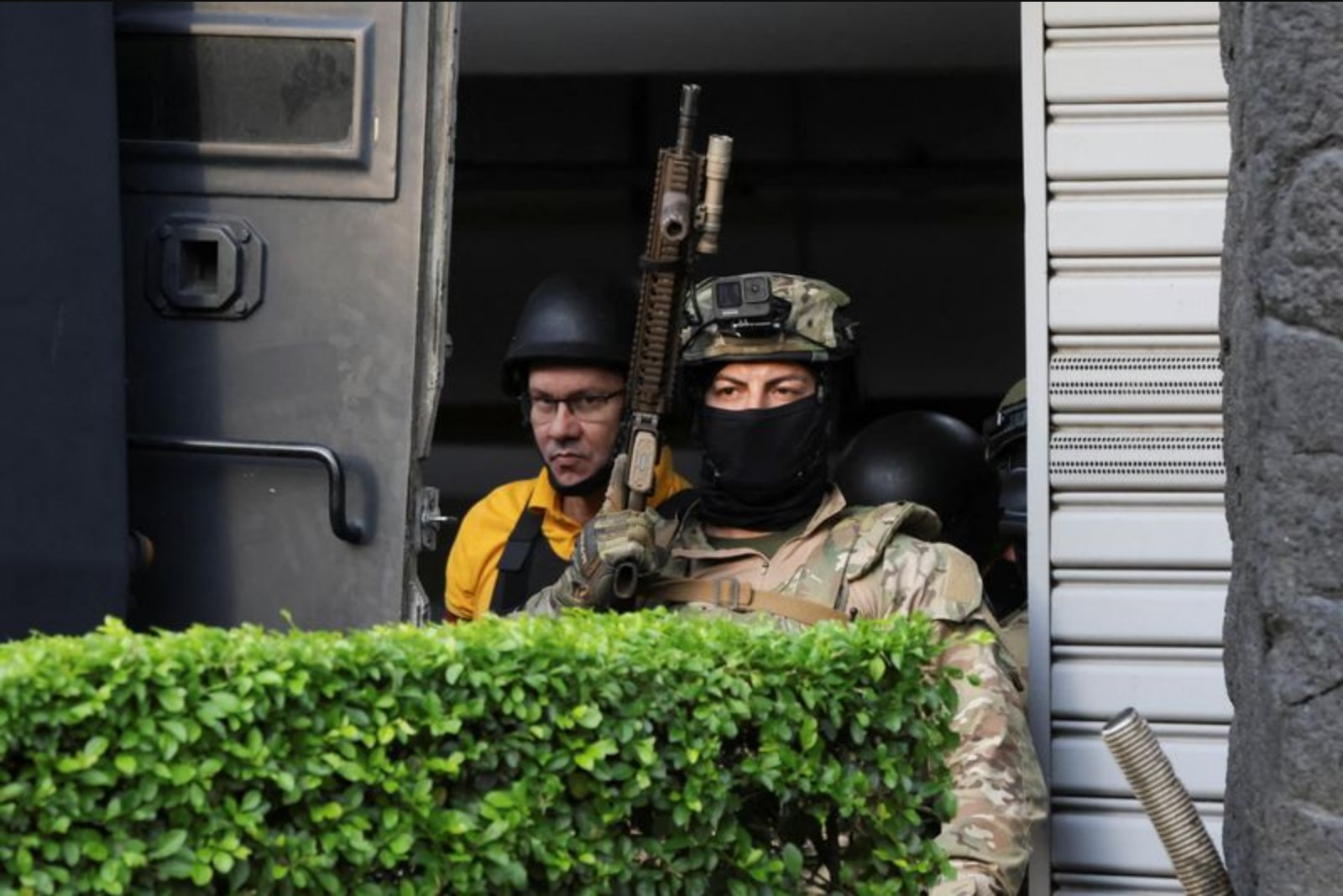
SAN JOSE, March 20 - Costa Rica on Friday carried out the extradition of former Supreme Court justice and past security minister Celso Gamboa to the United States, the first instance in which the country has sent one of its own nationals overseas under its new legal framework.
Attorney General Carlo Diaz framed the action as a message about accountability, saying in a video distributed to media that "Costa Rica is sending a strong message: no one can use our nationality to evade justice." The extradition follows a 2025 judicial reform that removed a long-standing prohibition on extraditing nationals, a change made expressly to strengthen the state's response to organized crime.
Gamboa, 49, was removed from the Supreme Court in 2018 amid accusations of corruption. The matter has fueled heated discussion within Costa Rica over allegations of potential collusion between organized crime networks and figures at the highest levels of political and judicial power. Those debates have featured prominently as authorities pursue cases tied to international drug trafficking.
Throughout his public career, Gamboa held a number of senior roles, including serving as security minister, intelligence director, and deputy minister to the presidency. President Rodrigo Chaves, who recently attended an anti-crime summit in Florida with the U.S. president and other right-leaning Latin American leaders, described Gamboa as "the tip of the iceberg."
Gamboa has rejected the allegations, calling them in "bad faith" and asserting that President Chaves will eventually have to face justice, without providing details of any charges. The former judge also said this week that he would be prepared to testify in the U.S. and provide information about others involved, provided assurances are given for his and his family's safety.
The new extradition statute includes specific safeguards for Costa Ricans sent to the United States: those extradited cannot face the death penalty or receive a prison term exceeding 50 years. On Friday, Gamboa was placed on a U.S. aircraft bound for Texas along with Edwin Lopez Vega, an alleged drug trafficker known as "Pecho de Rata," who was arrested the same day as the former justice.
Costa Rican authorities note that in 2021 a Costa Rican citizen was sent to the United States through an extradition process that originated in another country, a circumstance distinct from the domestic extradition carried out this week.
The extradition marks a legal and political milestone for Costa Rica as it implements the 2025 reform intended to bolster efforts against organized crime while embedding limits on potential penalties imposed by foreign jurisdictions.