
Members of the U.S. Congress are preparing near-term steps to force votes that would block President Donald Trump from ordering strikes against Iran without lawmakers first granting authorization. The legislation’s backers say the move is intended to reaffirm congressional control over declarations of war while the U.S. military positions itself for potential action.
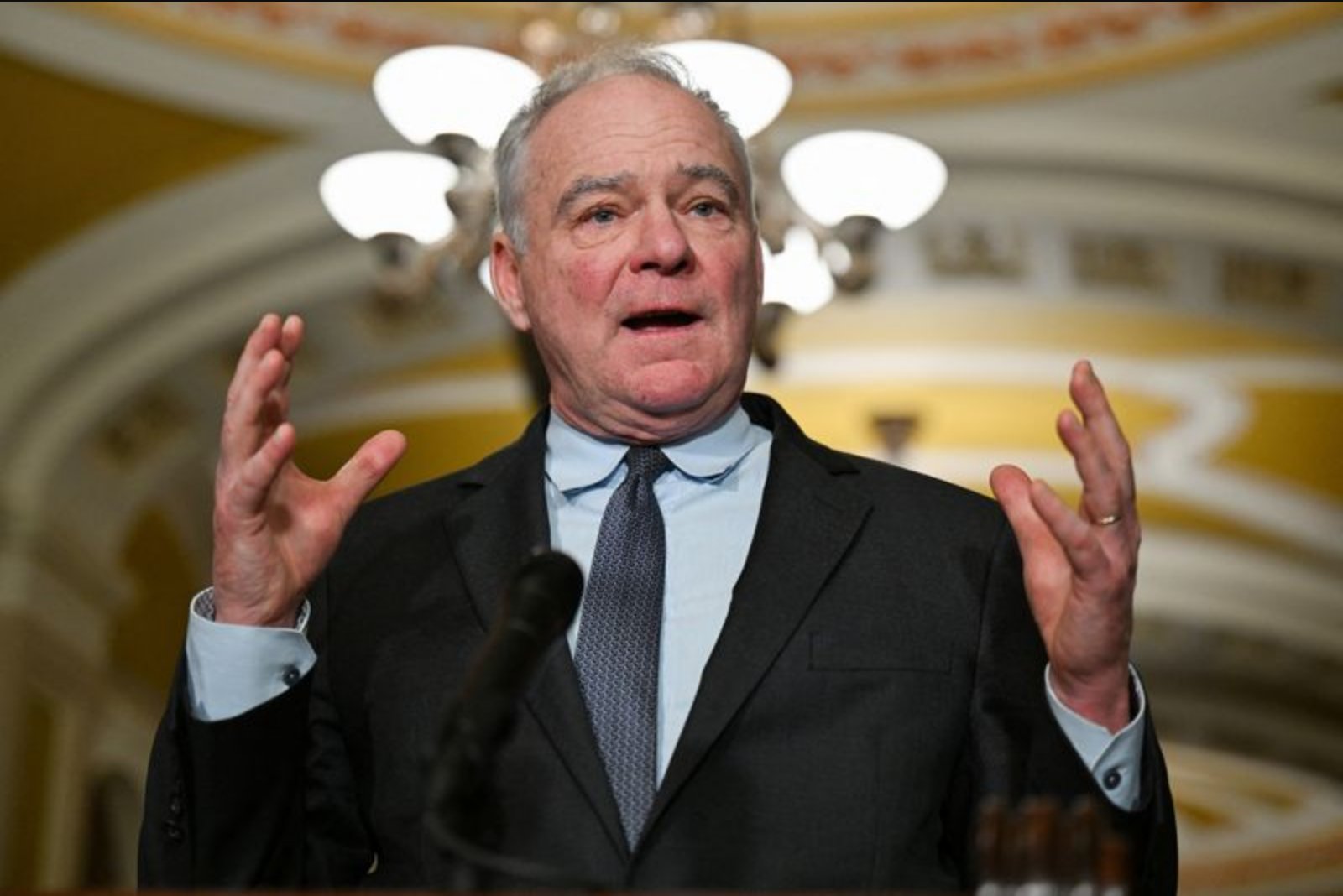
In the Senate, Democratic Senator Tim Kaine of Virginia and Republican Senator Rand Paul of Kentucky submitted a resolution late last month that would prohibit hostilities against Iran unless Congress issues a formal declaration of war. Kaine, speaking as U.S. military assets moved toward Iran, framed the resolution as a call for accountability.
"If some of my colleagues support war, then they should have the guts to vote for the war, and to be held accountable by their constituents, rather than hiding under their desks," Kaine said in a statement on Friday.
An aide to Senator Kaine said on Friday there was no timetable yet for when the Senate might consider the measure.
On the House side, Republican Thomas Massie of Kentucky and Democrat Ro Khanna of California said they intend to force a vote on a similar resolution as early as next week. Khanna pointed to public statements from administration officials about the likelihood of strikes in arguing that congressional authorization is required.
"Trump officials say there’s a 90% chance of strikes on Iran. He can’t without Congress," Khanna said in a post on X.com.
The effort to require congressional approval for military action reflects a long-running tension between Congress and the executive branch over war powers. The U.S. Constitution grants Congress, not the president, the power to send U.S. troops to war, except for limited strikes for national security reasons.
Members of both parties have previously introduced resolutions aiming to restrict presidential authority to use military force without congressional consent, but those measures have repeatedly failed to pass. Republicans holding thin majorities in both the Senate and the House have blocked such resolutions in the past, contending that Congress should not curtail the president’s national security powers.
Separately, recent reporting last week indicated that the U.S. military is preparing for the possibility of sustained, weeks-long operations if the president orders an attack. Those preparations have coincided with lawmakers’ renewed efforts to assert the congressional role in decisions about going to war.
Context and next steps
With House members planning to force a vote next week and senators having filed a parallel resolution, the coming days could see floor action in either chamber. However, no Senate schedule has been set, and political dynamics in both chambers - including slim Republican majorities - will influence whether any resolution reaches final passage.