
ST PETERSBURG, June 4 - At Russia’s flagship annual investment gathering, two distinct outlooks for the country’s future were on display as the conflict in Ukraine continued unabated. Delegates at the St Petersburg International Economic Forum presented competing narratives: one calling for a prolonged stance of confrontation and wartime readiness, the other arguing that ending the conflict could unlock essential economic gains.
The forum, often presented domestically as a counterpart to forums such as Davos, took place under an uneasy atmosphere after Ukrainian drones struck an oil terminal and a naval base in St Petersburg on Wednesday, sending smoke over parts of the city. The attack, which came close to the forum itself, underscored the immediate stakes of the debate among Russia’s political and business elite.
Two rival perspectives
One strand of opinion at the conference was openly nationalist and anticipatory of extended confrontation. Former intelligence officer Andrey Bezrukov addressed a packed hall and said the nation should expect years - possibly decades - of active hostilities. "We have to admit that we will be at war in the next few years, maybe for a couple of decades," Bezrukov said, asserting that the conflict could be "very hot" or "creeping" and that two generations might be defined by it. His remarks were met with applause.
Speakers aligned with this viewpoint argued that Russia must undertake deep internal changes to survive a more dangerous world. Proposals circulating among nationalists included streamlining decision-making processes, accelerating technology development, and reshaping how the Russian armed forces are perceived by the public.
By contrast, voices worried about the domestic economic fallout urged a different approach. With the Russian economy - estimated at about $3 trillion - showing signs of stagnation as the war drags on, some in the business community and among political moderates have increased pressure for a negotiated end. They have promoted the potential economic benefits of an agreement mediated by the administration of U.S. President Donald Trump, a path advocated publicly by figures such as Kirill Dmitriev in his role engaging with the Trump administration.
"The question is: does this war end or do we stare into a much tougher future?" one participant told Reuters on condition of anonymity because of the sensitivity of the subject. That question encapsulated the forum’s central tension: the trade-off between continued mobilization and the possibility of economic relief through cessation of hostilities.
Weapons, technology and a market for conflict
Exhibition pavilions that in previous years hosted Western financial institutions instead displayed drones, weapons systems, and advanced cyber capabilities. Companies showcased facial recognition technologies and cyber defence programs that incorporate artificial intelligence. These displays reflected the forum’s tilt toward security and technological self-reliance in a climate of strained ties with the West.
Russia currently controls about one-fifth of Ukrainian territory following the February 2022 invasion, but its advances have slowed this year. While Russian forces have seized most of the Donbas region, fighting that began there in 2014 has left a remaining segment of Donbas - described in the forum remarks as less than 10% of the region - that Russia has not captured. Ukraine has stated that it will not withdraw forces from the portion of Donbas it still holds and that it will not recognise Russian sovereignty over territory Moscow has seized.
Diplomatic efforts have struggled. With stalemate at U.S.-brokered peace talks and Kremlin assertions that the U.S. is now more focused on its own conflict with Iran, Russian officials say reduced international attention has influenced the negotiating environment. "Unfortunately, they are paying less attention," said Foreign Ministry spokeswoman Maria Zakharova, reflecting Moscow’s view of shifting global priorities.
Hardline rhetoric and political balancing
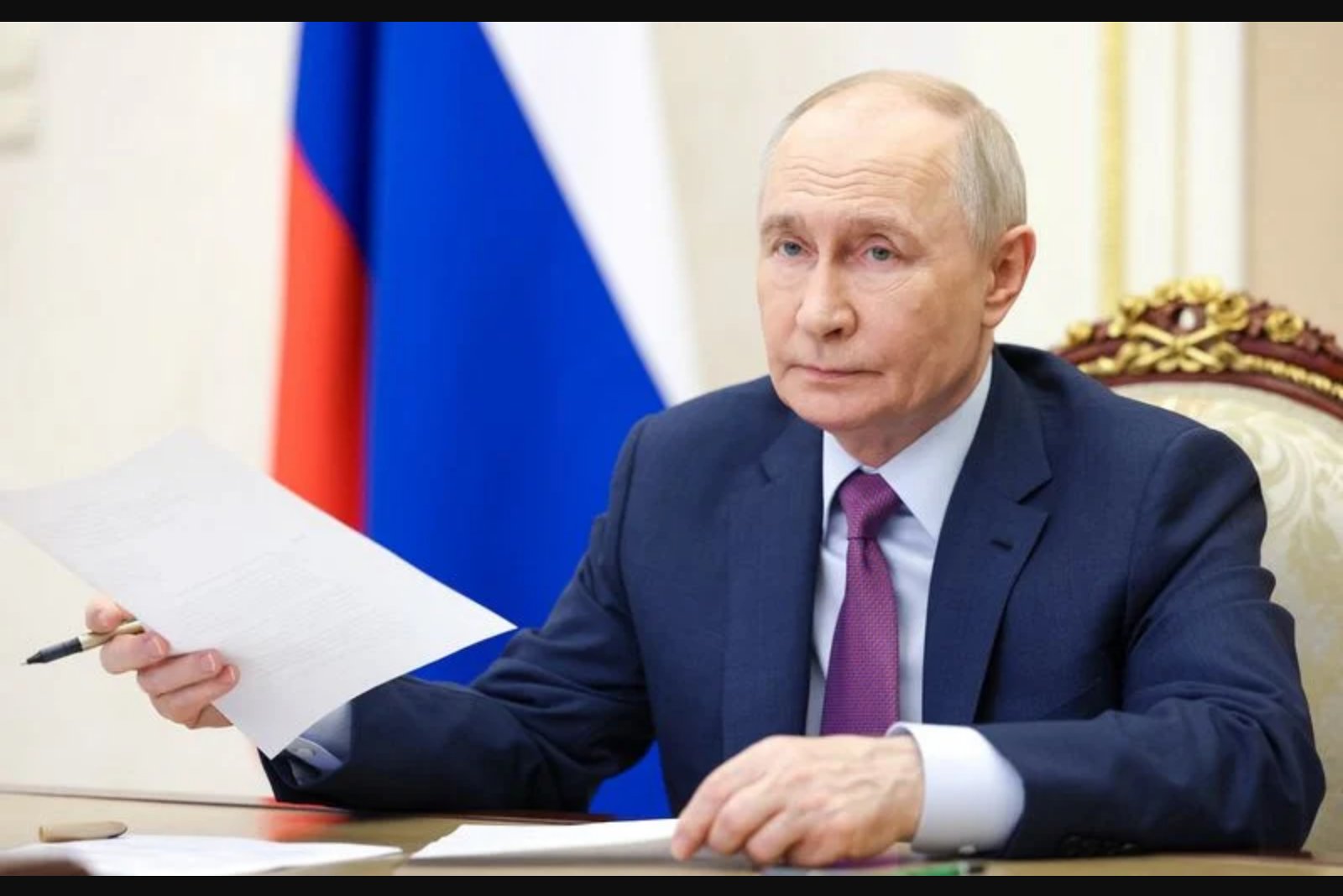
President Vladimir Putin, 73, has long managed competing Kremlin factions by balancing their views. The festival of competing voices at the forum illustrated that balancing act under the strain of a protracted war. Ultra-nationalist ideologue Alexander Dugin offered stark rhetoric in media comments, saying the war in Ukraine "will end either with Russia’s victory or it will never end." Dugin urged the country to abandon a façade of peacefulness and instead marshal its strength and will, while insisting that Russia would not initiate attacks on NATO.
Within the Kremlin and the broader elite, some figures have sought to emphasize the economic risks of prolonged conflict. They have warned that continued fighting could exacerbate stagnation, and that peace offers potential avenues to restart growth. Those advocating for negotiation have highlighted potential economic gains from a deal as a counterweight to nationalist calls for sustained confrontation.
Implications and unresolved questions
The forum highlighted the strategic choices facing Russian decision-makers: whether to prepare for a lengthy period of confrontation, as several nationalists urged, or to prioritise economic recovery through negotiated settlement, as some business leaders recommended. The presence of advanced military and cyber technologies at an economic forum, together with violent incidents nearby, illustrated the interweaving of economic policy, national security, and public perception in current Russian policymaking.
This report summarises viewpoints and events presented at the St Petersburg International Economic Forum and reflects statements made there and related developments.