
The secretary-general of the Commonwealth said on Wednesday she expects member nations to make progress toward opening formal talks on reparations for the transatlantic slave trade. The Commonwealth, a grouping of 56 nations headed by Britain’s King Charles, represents about 2.7 billion people and includes countries such as Australia, India, 21 African states and Caribbean members like Barbados and Jamaica.
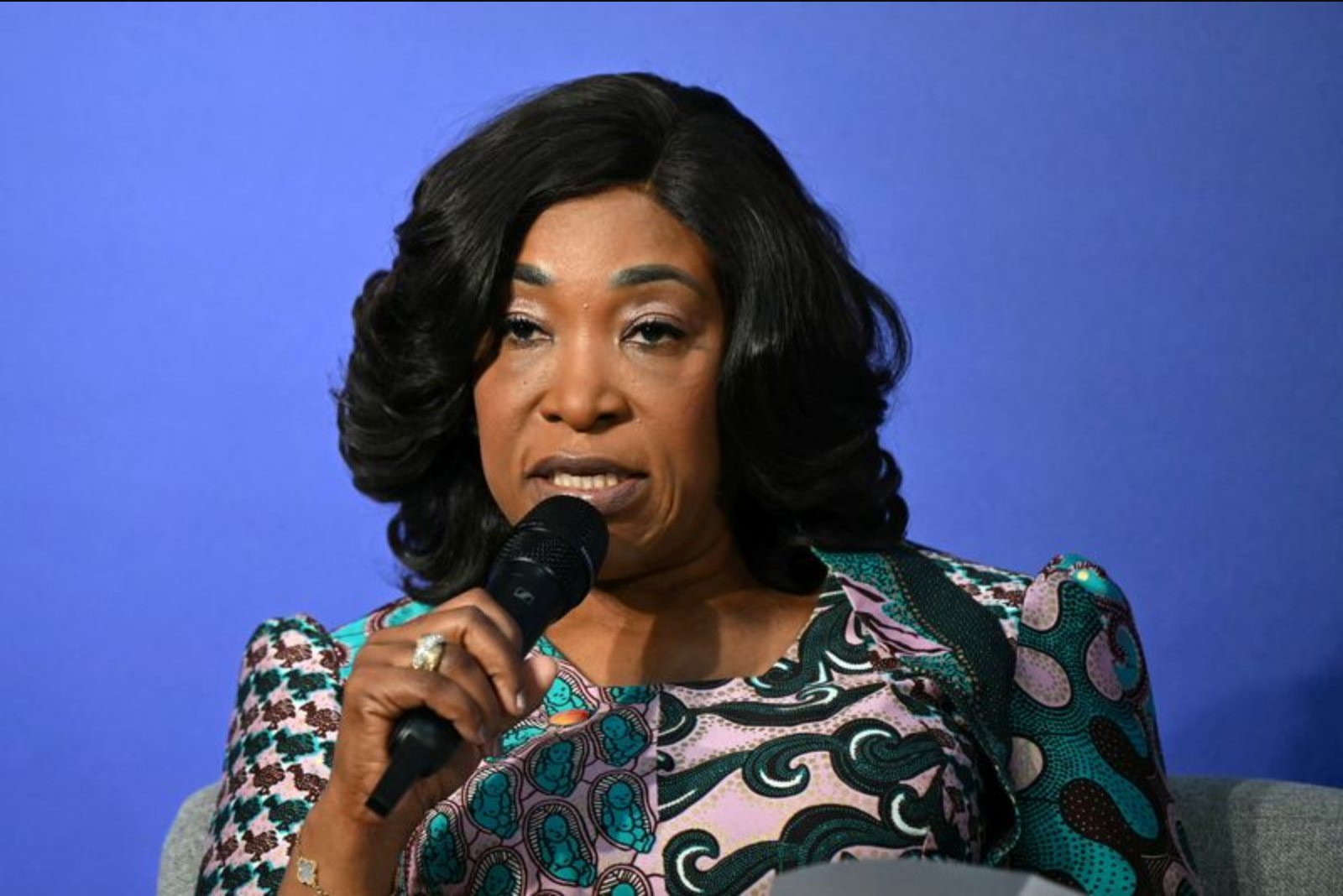
Shirley Botchwey, a former foreign minister of Ghana who has publicly supported the idea of reparations from Great Britain, told Reuters she is assisting member countries in seeking redress. "My understanding is that there’s some movement in terms of having parties around the table to decide on the way forward, and the different forms of reparations, how to deal with it going forward will be discussed," she said.
Botchwey said any negotiations would be multilateral and would probably involve regional organizations such as the Caribbean Community and the African Union. She emphasized that discussions over reparations are at an early stage and that participating countries will have to define the shape and scope of any agreed remedies.
Calls for compensation have intensified as historical estimates underline the scale of the transatlantic slave trade. Between the 15th and 19th centuries, at least 12.5 million Africans were taken and sold into slavery by European merchants. Britain is estimated to have transported about 3.2 million people, making it the second most active European nation in the trade after Portugal, which is estimated to have enslaved nearly six million.
Regional initiatives are already advancing the reparations agenda. The African Union designated reparations as its theme of the year last year and is working on crafting a unified position among its member states. The Caribbean Community has put forward a 10-point plan that includes a demand for debt forgiveness among its priorities.
Britain has opposed demands for financial compensation. Botchwey acknowledged this stance and said she is open to a range of remedies, noting that reparations do not need to be exclusively financial. "The UK is saying that probably we can’t pay financial reparations. Reparations do not have to be only financial," she said. "So once the parties sit, they will be able to come to mutual understanding."
The secretary-general also commented on the role of King Charles within the Commonwealth. Botchwey described the king as a "great asset" in supporting the organization’s work and maintaining its relevance. "What is happening outside the Commonwealth, I may not be able to pronounce on it, but I am very grateful for the work that the King does to ensure the relevance of the Commonwealth and also to add value to the work that we do," she said.
King Charles has publicly expressed profound regret over slavery and has backed research into the British monarchy’s historical links to the transatlantic slave trade. At the same time, he has faced scrutiny over other matters involving senior members of the royal family. Buckingham Palace said it was prepared to assist any police inquiry after documents suggested that Andrew Mountbatten-Windsor may have shared confidential British trade documents with financier Jeffrey Epstein. Mountbatten-Windsor was removed from the king’s inner circle and stripped of many titles over his relationship with Epstein.
Charles became king in 2023 following the death of his mother, Queen Elizabeth, and Botchwey praised his contributions to the Commonwealth’s work while noting that external developments do not necessarily reflect on the organization’s internal agenda.
Botchwey’s comments indicate that the Commonwealth is preparing to facilitate a multilateral conversation among member states and regional blocs about reparations. The ultimate content and format of any reparative measures remain to be negotiated, with recognition from some parties that redress could take symbolic forms as well as material ones.
As dialogue develops, the pace and outcome of negotiations will depend on the political will of individual governments, the positions adopted by regional organizations and the willingness of former colonial powers to consider a range of remedies. For now, the process appears to be moving from advocacy toward structured talks where different approaches to redress will be explored.