
Colombians are casting ballots in legislative elections that will determine the composition of the next Congress and produce three presidential candidates through party consultations ahead of the May presidential election.
Voters are selecting from more than 3,000 contenders for 102 Senate seats and 182 seats in the lower house. Analysts expect the outcome to be divided across many parties, increasing the likelihood that the incoming president will need to assemble a coalition to pass major policy initiatives.
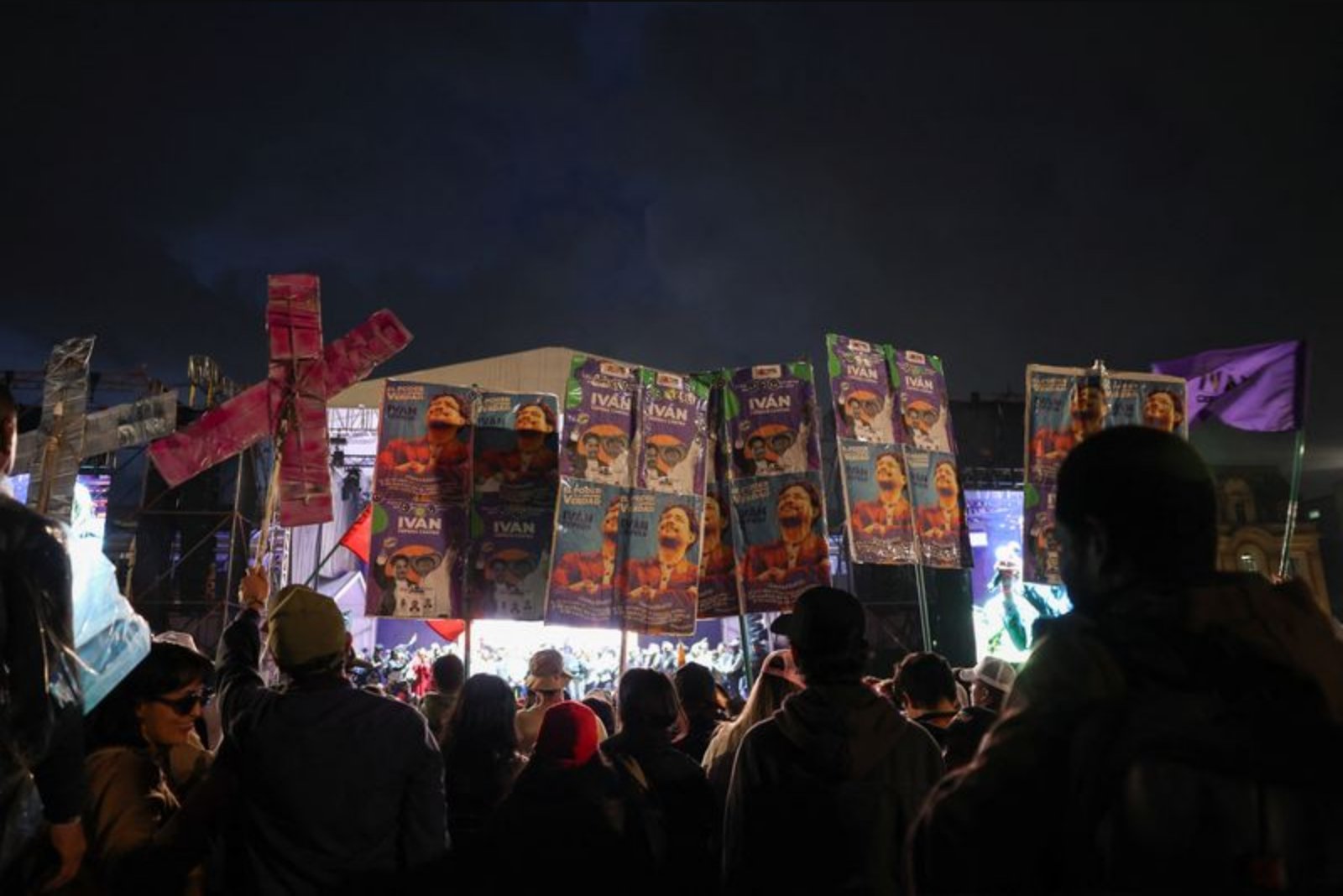
In addition to choosing lawmakers, about 41.2 million eligible voters can take part in consultations held by parties on the right, center and left to pick their presidential nominees. The consultations will produce candidates who will contest the May 31 presidential ballot, although several leading figures in the polls - notably leftist Ivan Cepeda, an ally of President Gustavo Petro, and right-wing Abelardo De La Espriella - are not taking part in Sunday’s consultations and are expected to appear directly on the May ballot.
Sergio Guzman, director of consultancy Colombia Risk Analysis, said the fragmented nature of Congress that is anticipated after the vote would weaken any incoming administration’s ability to push through its legislative agenda. "Any government will see its legislative proposals diluted" and will face difficulty securing approval for proposals, Guzman said.
Financial institutions monitoring the election expect the splintered party system to endure. Morgan Stanley projects that fragmentation will persist in the legislative vote, leaving centrist and traditional parties as key players in forming congressional alliances. JPMorgan observed that Colombian assets currently reflect little additional election risk, implying that the legislative vote by itself is unlikely to move markets unless it signals a clear policy shift.
Market analysts describe a spectrum of potential market reactions tied to the election outcome. A divided congressional result would likely maintain market stability. By contrast, stronger momentum for the opposition could lend support to the peso and tighten sovereign spreads, while gains for the left might weigh modestly on local assets and reinforce fiscal concerns.
For Guzman, the party consultations serve as a means for the right, the left and the center to gauge their relative strength in the run-up to the presidential ballot. The consultations are therefore treated as an important barometer of political dynamics ahead of the nationwide vote on May 31.
Electoral integrity has been an area of dispute in the run-up to the elections. President Petro has repeatedly called into question the reliability and security of the software that will be used to tally votes, and he has raised concerns about the manual completion of the physical tally sheets from polling stations, known as E-14 forms.
The country’s National Registrar, Hernan Penagos, rejected claims that the vote-counting software could be tampered with and defended the overall transparency of the process. "The transparency of the Colombian electoral process is complete and absolutely guaranteed. There are absolute guarantees with the software and the E-14 forms," Penagos said. He emphasized that the principal safeguard would be the roughly 860,000 jurors stationed at about 125,000 polling locations nationwide, supplemented by more than three million party witnesses.
Security officials are preparing for attempts by illegal armed groups to disrupt voting or coerce voters. Defense Minister Pedro Sanchez said some 246,000 members of the military and national police have been placed on high alert to prevent attacks or intimidation during the elections. Leftist guerrilla groups have historically carried out attacks during election periods amid the country's long-running internal conflict, which has lasted decades and resulted in more than 450,000 deaths.
The legislative results, together with consultation outcomes, will shape the political terrain ahead of the presidential contest and will influence how readily the next president can secure legislative backing for an agenda in a fragmented Congress. Observers and market participants will watch both the distribution of seats and the consultations for signals on likely policy directions and the degree of coalition-building that will be required.
Key developments to watch:
- Distribution of seats across dozens of parties in both chambers and the potential need for coalition government formation.
- Results of intra-party consultations that will select several presidential candidates for the May 31 ballot.
- Security operations and the presence of military and police forces intended to deter attacks and voter intimidation.