
Overview
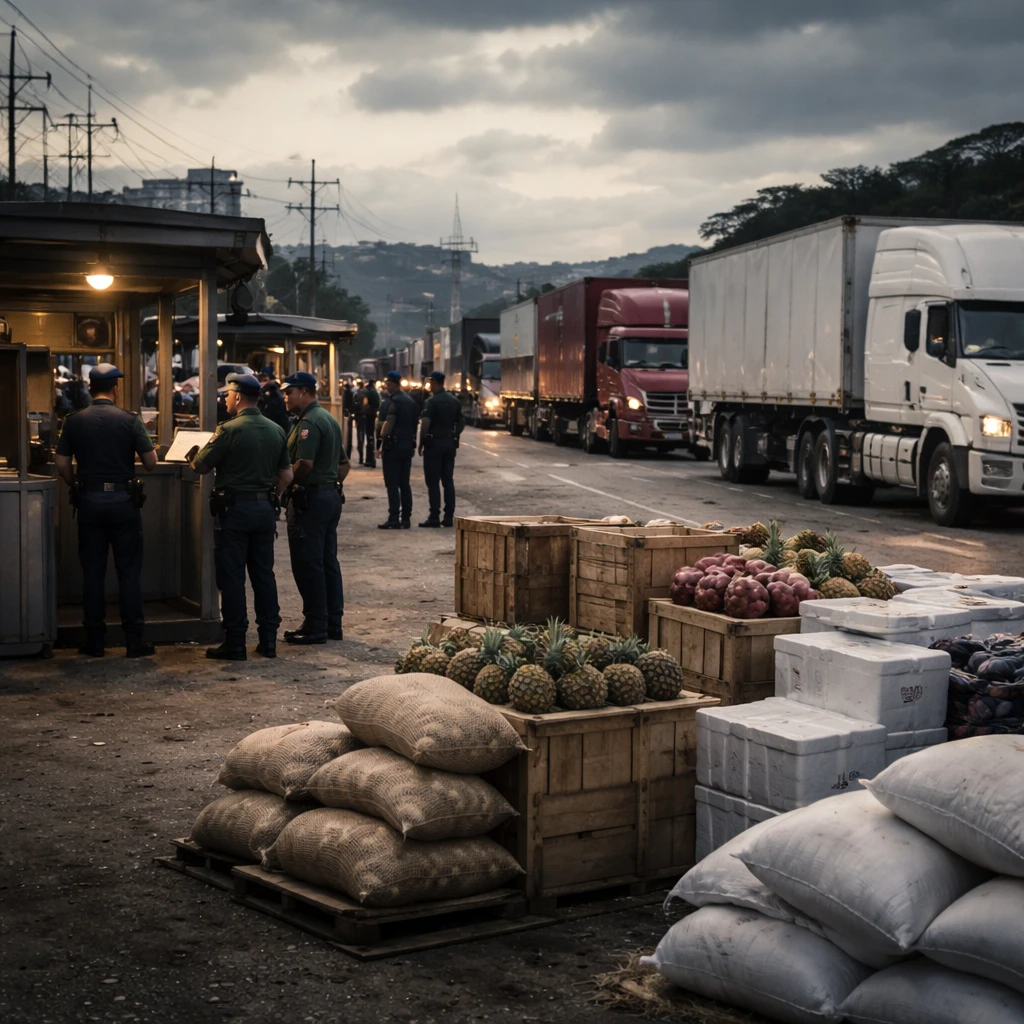
Colombia has placed 30% reciprocal tariffs on in excess of 60 products originating from Ecuador, formalizing the penalties in a decree signed by President Gustavo Petro and senior officials, according to the official gazette. The list of affected goods includes sugar, fruit, and a number of industrial products. The decree also sets restrictions on the entry of rice, fish, and shrimp into Colombia.
Sequence of measures
The latest Colombian action follows a move by Ecuador's President Daniel Noboa last month, when Quito introduced 30% duties on imports from Colombia. Ecuador's tariffs were framed as leverage to secure a formal commitment from the Petro administration on strengthening border security to address growing drug trafficking and associated violence.
Prior to the most recent tariff decree, Colombia had already taken other steps in the dispute, including suspending electricity exports to its southern neighbor and implementing its own earlier tariffs. The new decree adds a broader, reciprocal tariff regime targeting more than 60 Ecuadorian items.
Core issue
Both governments have framed the dispute around border security concerns. Ecuador has pointed to rising drug trafficking and related violence as the rationale for its earlier duties and its insistence that Colombia make concrete security commitments. Colombia's reciprocal tariffs and previous suspension of power exports have intensified the bilateral tensions.
Implications
The measures directly affect agricultural and seafood products named in the decree - including sugar, fruit, rice, fish, and shrimp - as well as various industrial goods. The suspension of electricity exports, which preceded the latest tariff announcement, highlights that impacts extend beyond trade in goods to energy supply between the two neighbors.
What remains uncertain
At present, it is unclear how long the tariffs and import restrictions will remain in place or whether either government will alter its position absent a negotiated security commitment. The dispute is centered on the demand for stronger border controls to combat drug trafficking and related violence, and both tariff actions reflect a continuation of that standoff.
Conclusion
The recent Colombian decree applies a uniform 30% tariff to more than 60 Ecuadorian products and places limits on key food and seafood imports, representing a significant escalation in a trade dispute rooted in cross-border security concerns. The measures follow Ecuador's own 30% tariffs and come after Colombia halted electricity exports, underscoring the breadth of the bilateral friction.