
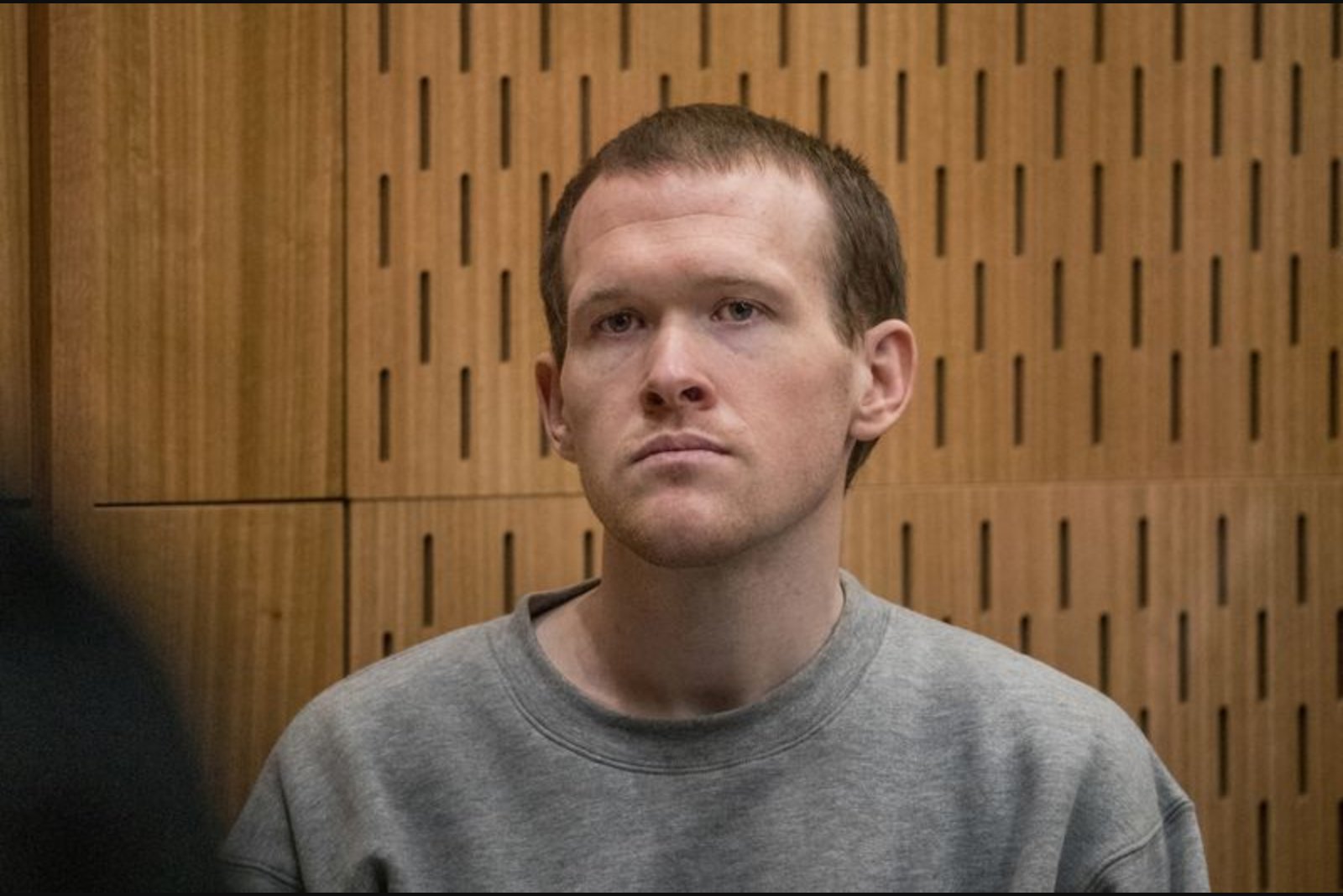
An appeal hearing will begin on Monday for Brenton Tarrant, the 35-year-old Australian national convicted in connection with the March 2019 attacks on two Christchurch mosques that killed 51 Muslim worshippers and injured dozens.
Tarrant was found guilty on 51 counts of murder, 40 counts of attempted murder and one count of committing a terrorist act. He is serving a life sentence without the possibility of parole - a sentence that, according to court records, marked the first time a New Zealand court imposed a whole-of-life term.
Authorities say Tarrant carried out the attacks using military-style semi-automatic firearms. He released a racist manifesto shortly before the shootings and broadcast portions of the attack live on social media using a head-mounted camera while targeting worshippers attending Friday prayers.
The scale and brutality of the killings stunned New Zealand and prompted the government to move quickly to tighten firearms laws in response to the incident. The appeal hearing will focus on Tarrant's challenge to his sentence; details of the legal arguments to be made at the hearing were not set out in the public statements accompanying the case.
Context and proceedings
The March 2019 attacks on two mosques in Christchurch represent the deadliest mass shooting in New Zealand's history. Tarrant's convictions encompass multiple categories of criminal liability - a combination of murder, attempted murder and terrorism charges - and culminated in the imposition of life imprisonment without parole.
With the appeal hearing set to open on Monday, the New Zealand judicial process will revisit the sentence imposed. The court will consider the formal legal challenge without any public indication, at this stage, that the underlying facts established at trial are being relitigated in full.
Aftermath
The attacks had immediate social and policy consequences. Public shock at the killings led the government to tighten gun laws as part of its response to the incident. Survivors, families of victims and the broader community were left grappling with the human toll of the rampage.
The coming appeal hearing represents the next judicial step in a case that has remained prominent in New Zealand public life since 2019.