
Chinese air activity around Taiwan has dropped sharply in recent weeks, culminating in a period during which Taiwan recorded no Chinese military flights at all, according to Taiwan government data compiled by Secure Taiwan Associate Corporation (STA). The slowdown represents a sudden reversal of what had been near-daily military manoeuvres in the airspace surrounding the island.
STA's tally shows that China has sent 460 military aircraft into Taiwan's air defence identification zone so far this year - a decline of 46.5% compared with the same period a year earlier. In February, Taiwan detected 190 Chinese aircraft, the smallest monthly total since Taiwan's defence ministry began publishing detailed daily counts in 2022.
Notably, Taiwan reported no Chinese military planes near the island after February 27, creating a six-day pause in air operations that STA researcher Tristan Tang noted coincided with the war in Iran. That extended lull contrasts with previous pauses in air activity, which were typically short-lived and connected to specific events such as typhoons or Chinese public holidays.
Taiwanese officials and analysts offer differing interpretations for the sudden reduction in air activity.
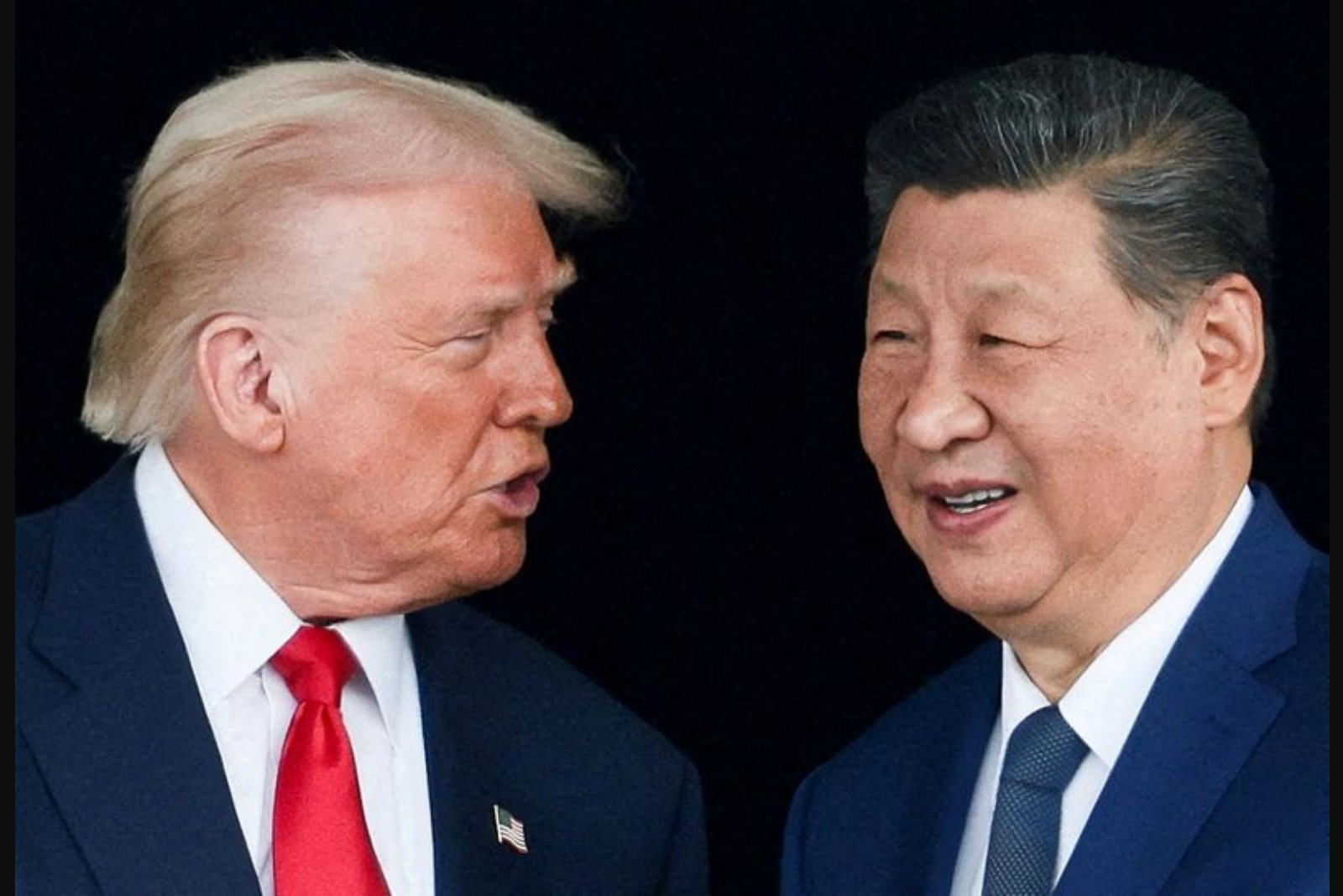
Two Taiwanese officials said Chinese President Xi Jinping might be scaling back overt forms of pressure to cultivate a more favorable environment ahead of an anticipated meeting with U.S. President Donald Trump at the end of the month. A senior Taiwan security official, speaking on condition of anonymity, suggested Beijing may be attempting to shape perceptions ahead of that summit, saying: "Beijing might be trying to create a false impression: I am peaceful, I am moving toward peace, so you should stop selling weapons to Taiwan."
Another line of analysis points inward to changes within China's armed forces. Su Tzu-yun, a research fellow at Taiwan's Institute for National Defence and Security Research, said an ongoing military corruption purge could be the "primary reason" for the drop in flights. Su said the purge involves shifts to the command structure that are likely harming overall readiness, a development that could reduce the frequency of visible operations.
A Taiwan defence official, also speaking anonymously because of the sensitivity of the subject, offered a third possible explanation: Beijing may be using the lull to absorb lessons from recent large-scale drills, pausing routine air sorties while consolidating tactical or operational changes.
Whatever the cause of the current quiet, Taiwan's defence ministry noted that China has not fully scaled back other forms of maritime pressure. The ministry said Chinese navy and coast guard forces remain active, indicating Beijing has so far reduced only the more politically visible component of its campaign - air activity near the island - rather than halting pressure across the board.
Taiwanese security officials cautioned against reading too much into a short spell of reduced air operations. A senior Taiwan security official warned: "Just because they're not coming now doesn't mean they won't come back in the future, and we can't rule out that they may be preparing for an even larger operation. We should not project any change in Beijing's intentions based solely on a few days of activity."
The drop in air incursions, the lack of flights since February 27 and the lowest monthly tally in February since 2022 together have led to a period of heightened scrutiny in Taipei as officials weigh diplomatic signaling, internal military shifts and the tactical pause that can follow major drills as potential drivers of the change.
Contextual note - Taiwan is continuing to monitor air and maritime activity closely and officials are treating the lull as temporary unless further evidence emerges to indicate a sustained shift in Beijing's posture.