
China's Supreme People's Court has quashed a death sentence imposed on Canadian national Robert Schellenberg and directed the matter back to the Liaoning Provincial High People’s Court for a new trial, Beijing-based lawyer Zhang Dongshuo said on Monday. The announcement represents a significant turn in a case that has been a persistent source of diplomatic strain between Ottawa and Beijing.
Schellenberg was first detained in China in 2014 on suspicion of drug smuggling. He was convicted in 2018 and given a 15-year prison term. A retrial in January 2019 resulted in a death sentence. That retrial took place one month after the arrest in Vancouver of Huawei executive Meng Wanzhou on a United States warrant.
According to Zhang, the Supreme People’s Court on Friday concluded that the death sentence issued by the lower court could not stand and has sent the file back to Liaoning’s high court for another hearing. Zhang conveyed his assessment that the possibility of Schellenberg ultimately being acquitted is limited, given the severity of the original sentence.
A spokesperson for Canada’s foreign ministry told Reuters they were aware of the Supreme Court ruling and said Ottawa would continue to provide consular services to Schellenberg and his family. The spokesperson did not offer further detail on the Chinese court’s decision.
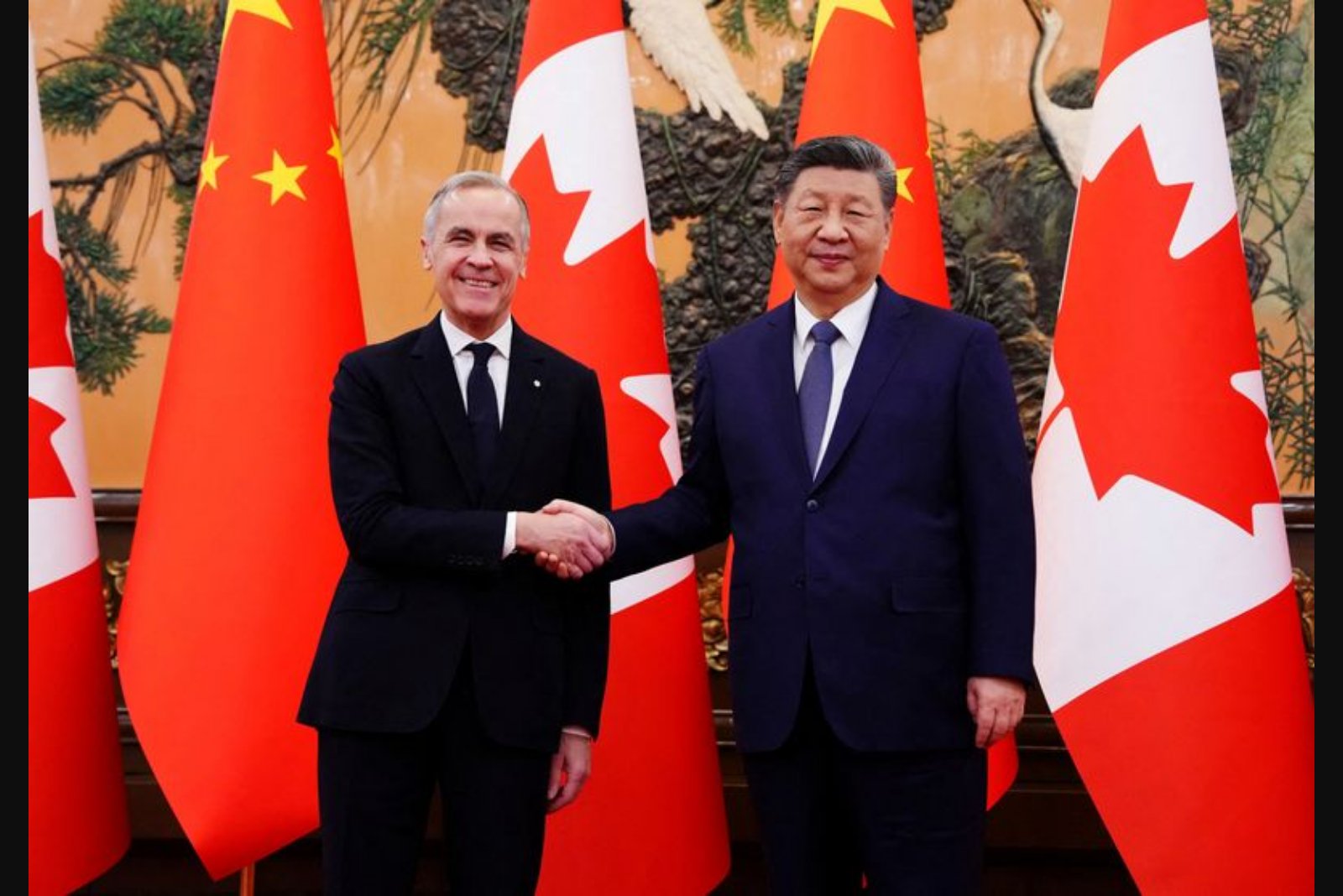
Zhang said that, based on official statements from both countries after the Canadian prime minister’s recent visit, the likelihood that the Supreme Court’s decision was related to that visit was high in his view. He did not assert a direct causal link beyond that professional judgment.
Context and diplomatic backdrop
The legal proceedings involving Schellenberg have unfolded against a backdrop of high-profile diplomatic disputes between Canada and China. Schellenberg’s death sentence had been upheld by the Liaoning court following an appeal hearing in 2021, prompting condemnation from Ottawa at the time.
Shortly after Meng Wanzhou was detained in Canada, China detained two Canadian nationals on spying accusations. Those two detainees were released in 2021 on the same day that the U.S. dropped its extradition request for Meng and she returned to China. International observers described those detentions as contributing to a period of heightened diplomatic tension.
Relations were further strained in 2024 after Canada imposed tariffs on Chinese electric vehicles. China responded last March with retaliatory tariffs on more than $2.6 billion of Canadian farm and food goods, including canola oil and meal, and later added tariffs on canola seed in August. Following the recent visit by Canadian Prime Minister Mark Carney, both countries agreed to cut tariffs on electric vehicles and canola, a reversal of the earlier measures.
Broader implications
Analysts cited in the public record have suggested that the rapprochement between Canada and China could alter the political and economic context in which broader Sino-U.S. rivalry unfolds. At the same time, public commentary indicates Ottawa is not expected to make a sweeping strategic pivot away from Washington.
The Schellenberg ruling and the retrial order remove a capital sentence from the immediate legal posture of the case and return the matter to a provincial court for reconsideration. Beyond the legal mechanics, the timing of the decision has prompted attention because it follows closely on the heels of a high-profile diplomatic visit and an announced rollback of some recent trade measures.
Because of the limitations of the publicly available statements, questions remain about the degree to which diplomatic engagement influenced the court’s decision. Zhang has expressed his view that a connection is likely, while Canadian officials have confined their public comments to noting awareness of the ruling and ongoing consular support.
For now, Schellenberg’s status moves from a finalized death sentence to an open matter pending retrial at the Liaoning Provincial High People’s Court. The outcome of that retrial remains uncertain and, according to Zhang, the chance of a full acquittal is not high.