
World February 7, 2026

China Conducts Fourth Reusable Spacecraft Launch, State Media Reports

Long March-2F rocket lifts experimental reusable vehicle from Jiuquan for technological verification

By Maya Rios
China Conducts Fourth Reusable Spacecraft Launch, State Media Reports

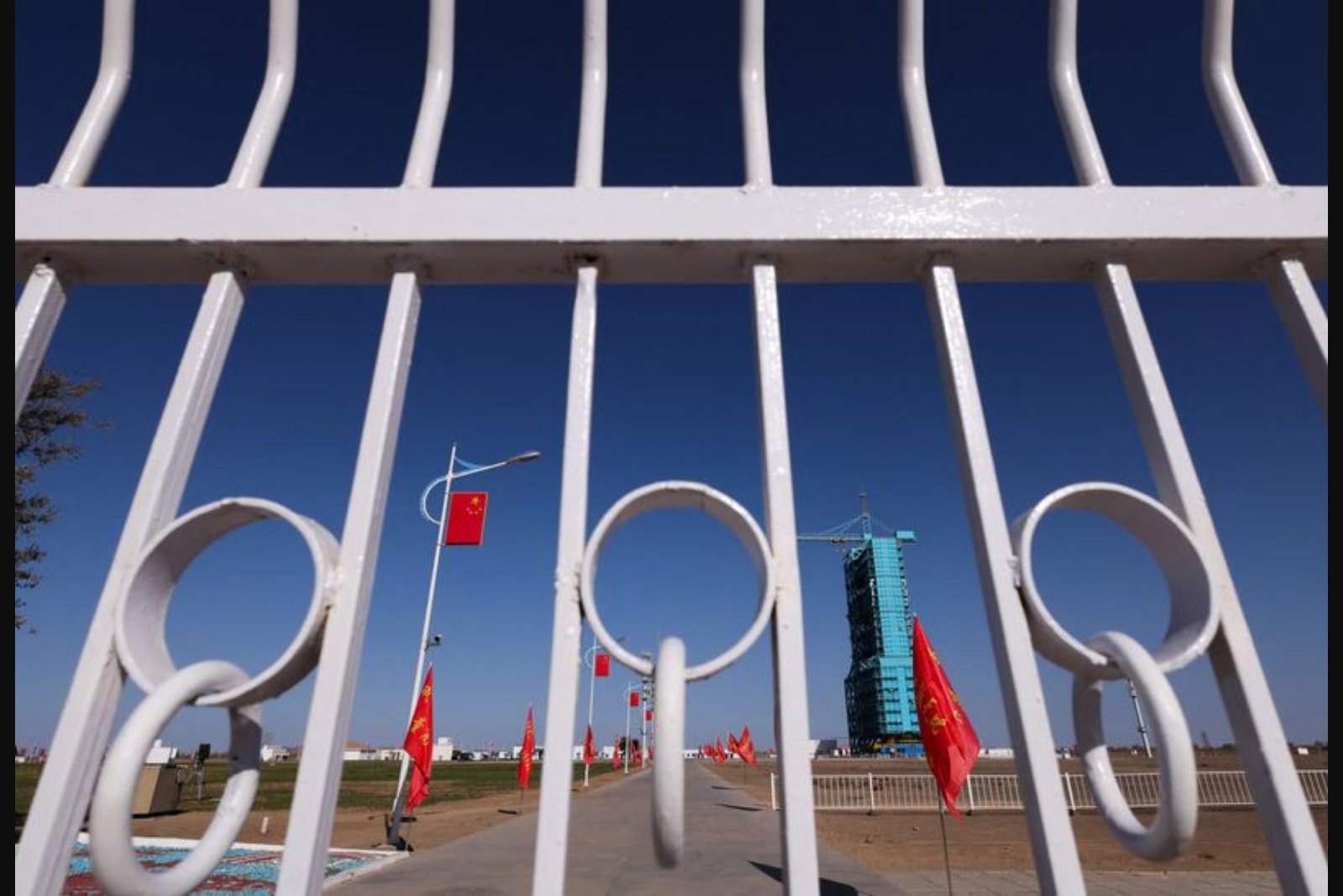
China on Saturday launched a reusable experimental spacecraft into orbit atop a Long March-2F rocket from the Jiuquan Satellite Launch Center, state media reported. The mission is described as a technological verification effort to support peaceful uses of space, but officials did not disclose how long the vehicle will remain aloft or provide details about the systems tested or the flight altitude. This marks the country's fourth reusable spacecraft mission since 2020.

Key Points

  • China launched a reusable experimental spacecraft on a Long March-2F rocket from Jiuquan Satellite Launch Center, according to state media.
  • The mission's stated purpose is technological verification for reusable spacecraft to provide technical support for the peaceful use of space; however, officials did not disclose mission duration, tested technologies, or flight altitude.
  • This is the fourth reusable spacecraft flight since 2020; prior missions include a September 2020 two-day flight, an August 2022 launch that returned in May 2023 after 276 days, and a September 2024 mission that returned after 268 days. Sectors impacted include aerospace and space industry firms, satellite operators, and related technology suppliers.

China launched a reusable experimental spacecraft into orbit on Saturday, according to a report by state news agency Xinhua. The vehicle rode aloft on a Long March-2F carrier rocket from the Jiuquan Satellite Launch Center in the country’s northwest.

Xinhua said the mission is intended to carry out technological verification for reusable spacecraft and to provide technical support for the peaceful use of space. The agency did not specify how long the craft will remain in orbit, and the report offered no further detail on which technologies were tested or the altitude reached during the flight.

The launch is the fourth time China has sent a reusable spacecraft into orbit since 2020. Xinhua recounted the earlier missions: the first reusable experimental spacecraft flew in September 2020 and remained in orbit for two days. A later vehicle launched in August 2022 returned to Earth in May 2023 after spending 276 days in orbit. Most recently, Xinhua said in its account that a spacecraft launched from the Jiuquan facility in September 2024 returned to its designated landing site after 268 days in orbit.

State commentary noted that developing reusable spacecraft is viewed as a key step toward increasing flight frequency and lowering the per-mission cost of spaceflight. Beyond that characterization, the report did not provide technical specifications of the vehicle, test objectives, or precise mission parameters for the latest flight.

Because official reporting did not include a mission duration or list of tested technologies, independent assessment of the flight’s technical outcomes is limited by available information. The lack of disclosed altitude or systems tested means that observers must rely on future official updates for a fuller understanding of what capabilities were validated during this mission.


Background provided by state reporting

Xinhua's account supplied the sequence of prior reusable missions and their orbital durations but left unspecified the detailed technical content of the flights. The agency framed the effort as technological verification aimed at the peaceful use of space, without attaching a timeline for further disclosure about this specific mission.

Risks

  • Limited disclosure about the latest mission - Xinhua did not reveal how long the spacecraft will stay in orbit, constraining external evaluation of mission success; this uncertainty affects analysts tracking technical progress in the aerospace sector.
  • No details on which technologies were tested or the flight altitude were provided, leaving questions about the specific capabilities validated and their potential commercial or operational implications for space and satellite markets.
  • Because official reporting lacks technical specifics, market participants and policymakers may face difficulty assessing the timing and scale of cost reductions or increased flight cadence resulting from these tests, introducing uncertainty for investment and procurement decisions in aerospace and related industries.

More from World

Law Firms Prepare for Wave of Refund Suits After Supreme Court Restriction on Tariff Power Feb 20, 2026 Appeals Court Clears Way for Louisiana Ten Commandments Classroom Requirement Feb 20, 2026 Fitch Keeps UK at AA- Citing Flexible Economy but Flags High Debt and Policy Uncertainty Feb 20, 2026 Fitch Maintains Congo's CCC+ Rating, Flags Persistent Debt and Governance Weaknesses Feb 20, 2026 Moody's Upholds Sweden's Aaa Rating, Cites Strong Fiscal Fundamentals Feb 20, 2026