
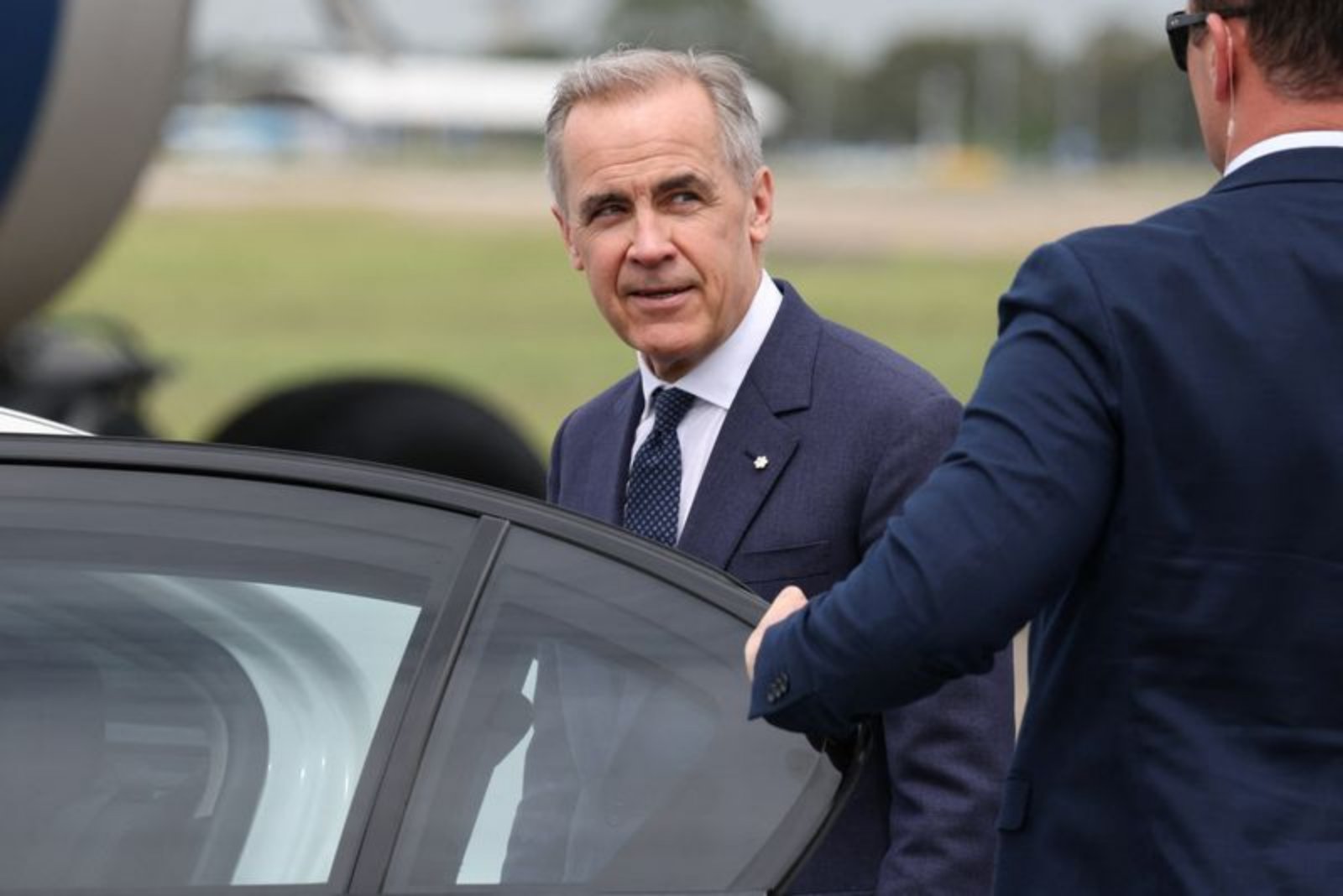
On March 4 in Sydney, Canadian Prime Minister Mark Carney delivered a pointed critique of the international response to the recent escalation of conflict in the Middle East, describing the situation as a failure of the international order. Speaking at the Lowy Institute think tank, Carney said that strikes launched by U.S. and Israeli forces against Iran over the weekend occurred after negotiations over Tehran’s nuclear programme stalled, and that these actions were taken without prior consultation with allies including Canada.
Carney observed that the confrontation has widened beyond Iran’s borders, noting Iranian attacks that have struck Gulf states such as Bahrain, the United Arab Emirates and Qatar. He also cited assaults on U.S. embassies in Saudi Arabia and Kuwait and the subsequent decision by Washington to close diplomatic missions across the region.
Highlighting the breadth of previous international efforts, Carney said the current conflict underscored shortcomings despite decades of Security Council resolutions, the work of the International Atomic Energy Agency, and successive sanctions and diplomatic frameworks. "Iran’s nuclear threat remains, and now the United States and Israel have acted without engaging the UN or consulting with allies, including Canada," Carney said during his address.
Calling for restraint, Carney urged all parties involved in hostilities - including the United States and Israel - to respect international rules of engagement. He told reporters that Canada seeks a rapid de-escalation of hostilities and expressed Ottawa’s readiness to assist in efforts to achieve that aim. "Canada calls for a rapid de-escalation of hostilities and is prepared to assist in achieving this goal," he said.
When questioned about earlier comments endorsing the UN Charter’s prohibition on the use of force, Carney said the recent strikes appeared to be inconsistent with international law. He added, however, that it was for the United States and Israel to present the legal case for their actions and for those more expert than him to make a final determination. "It appears that these actions are inconsistent with international law," he said, adding that "it’s for others more expert than me ... to make that determination."
Carney made clear that Canada was not informed in advance of the strikes and was not asked to participate. He stated that had Canada been asked, Ottawa would not have been in a position to make a judgement that met its standards. "We would not have been in a position ... to take a judgement that met our standards if we had been asked to participate," he said.
Despite his criticisms of how the strikes were carried out, Carney reiterated that after the weekend’s strikes began Canada did support the United States' aim of preventing Iran from acquiring a nuclear weapon and preventing its regime from further threatening international peace and security.
Carney’s remarks came during a multi-leg trip across the Asia-Pacific region that includes stops in Japan and India. The visit to Australia is intended to strengthen ties between the two countries, which Carney described as "middle powers." He argued that Canada is focused on building a dense web of connections - ad hoc coalitions that act issue by issue with partners that share sufficient common ground to work together.
Carney contrasted this approach with that of great powers, which, he said, can afford to act alone because of their market size and military capacity. "In contrast, great powers can afford to go it alone. They have the market size, the military capacity to leverage, to dictate terms. Middle powers like Canada do not," he said.
Ahead of the visit, Carney’s office said Australia and Canada are expected to deepen cooperation in areas including defence and maritime security, critical minerals, trade and artificial intelligence. These areas of cooperation were highlighted as priorities for the bilateral relationship during his stop in Australia.
While Carney emphasised Canada’s readiness to help de-escalate the situation, he repeatedly underscored the procedural concerns that emerged after the U.S. and Israeli strikes - chiefly the lack of engagement with the UN and the absence of consultation with allies. Those procedural grievances informed both his legal observations and Canada’s declaration that it was not asked to take part in the strikes.
The comments reflect Ottawa’s dual position: support for preventing nuclear proliferation on the one hand, and concern about how force is employed and coordinated within the international system on the other.