
World March 9, 2026

Canadian Prime Minister and Qatari Emir Seek Diplomatic Route to Prevent Wider Middle East War

Leaders emphasize stepped-up diplomacy, condemn Iranian strikes and call for protection of civilians amid mounting casualties

By Marcus Reed
Canadian Prime Minister and Qatari Emir Seek Diplomatic Route to Prevent Wider Middle East War

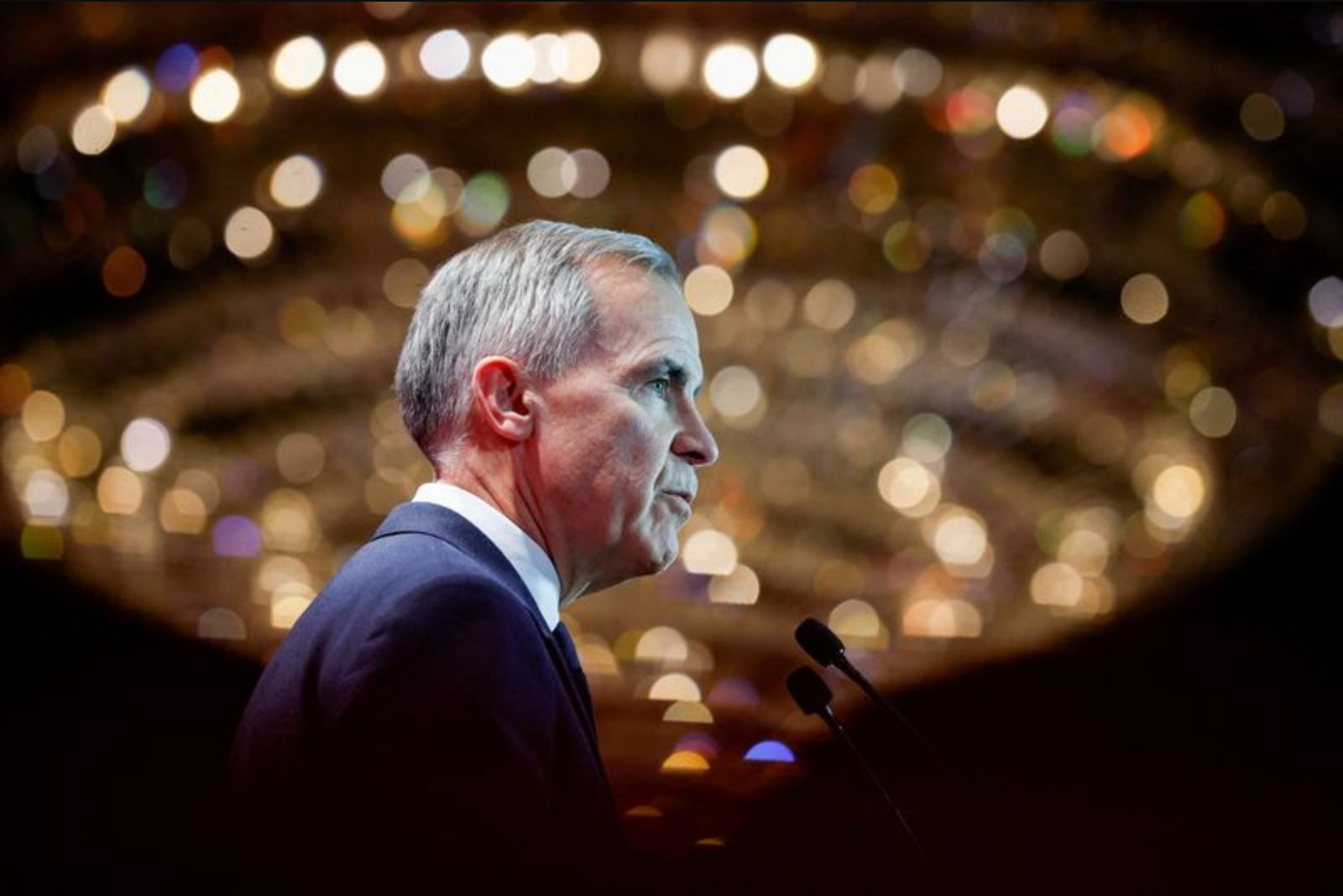
Canadian Prime Minister Mark Carney held a phone call with Qatar’s Emir Sheikh Tamim bin Hamad al-Thani to press for intensified diplomatic engagement aimed at preventing a broader conflict in the Middle East. Officials said both leaders condemned Iranian missile and drone strikes on Qatar, expressed solidarity, and urged an immediate halt to attacks on civilians and civilian infrastructure as casualties mount across the region.

Key Points

  • Canadian Prime Minister Mark Carney and Qatar’s Emir Sheikh Tamim bin Hamad al-Thani emphasized stepped-up diplomatic engagement to prevent a wider Middle East conflict.
  • Both leaders condemned Iranian missile and drone strikes on Qatar and called for an immediate end to attacks on civilians and civilian infrastructure, citing international law and concerns about global economic and energy impacts.
  • The statement situates the call within recent escalations: U.S. and Israeli attacks on Iran on February 28, Iranian retaliatory strikes on Israel and Gulf states with U.S. bases, and official casualty figures reported by humanitarian and military sources.

Canadian Prime Minister Mark Carney spoke by telephone with Qatar’s Emir Sheikh Tamim bin Hamad al-Thani on Monday to discuss urgent diplomatic steps intended to prevent the expansion of hostilities in the Middle East, according to a statement from the prime minister’s office.

The official release said the two leaders "underscored the importance of intensifying diplomatic engagement to avoid a wider conflict with global consequences." It added that both condemned missile and drone attacks by Iran on Qatar and that Carney conveyed Canada’s solidarity with Qatar.

Carney’s office said the leaders reiterated the need, "in accordance with international law," for an immediate end to attacks on civilians and civilian infrastructure, warning that such strikes only serve to destabilize the region and worsen the global economic and energy situation. The statement noted that de-escalation of the Iran war was a topic of the discussion.

The statement's account situates the call amid a recent escalation in the conflict. It said the U.S. and Israel began attacking Iran on February 28, and that Iran responded with strikes on Israel and on Gulf states that host U.S. bases. The release also referenced statements about shifting objectives and timelines from U.S. President Donald Trump in the context of the war.

Casualty counts cited in the statement highlighted the human toll of the fighting. The non-profit humanitarian group Iranian Red Crescent Society was named as reporting that at least 1,230 people have been killed in Iran, including 175 schoolgirls and staff killed in a missile strike on a primary school in southern Iran. The statement also said the Iranian army reported that over 100 people were killed after a U.S. submarine sank an Iranian warship off Sri Lanka’s coast last week.

On the other side of the conflict, the statement recorded that Israeli tallies put civilian deaths in Israel at eleven, while the U.S. military has said seven of its service members have been killed.


The leaders’ exchange, as described by the prime minister’s office, focused on diplomatic measures and on urging an immediate cessation of attacks that affect civilians and civilian infrastructure, reflecting concern for regional stability and broader economic and energy ramifications.

Risks

  • Further escalation of the Iran war could destabilize the region and worsen the global economic and energy situation - sectors impacted include energy markets and the broader global economy.
  • Continued attacks on civilians and civilian infrastructure pose humanitarian and security risks, affecting civilian populations and potentially drawing additional international military involvement - sectors impacted include defense and humanitarian aid operations.
  • Uncertainty around shifting objectives and timelines from major actors in the conflict introduces instability that may complicate diplomatic de-escalation efforts and market responses - sectors impacted include energy and international trade-sensitive industries.

More from World

Legal Challenge Filed to Block End of U.S. Protections for Somali Immigrants Mar 9, 2026 U.S. Urges Review of International Aid to Afghanistan as Taliban Restrictions Persist Mar 9, 2026 ICE records 11 deaths in U.S. immigration custody through early March 2026 Mar 9, 2026 Historic Pact Becomes Largest Force in Colombia’s Senate but Falls Short of Majority Mar 9, 2026 Alexander Butterfield, Whistleblower on Nixon’s Secret Tape System, Dies at 99 Mar 9, 2026