
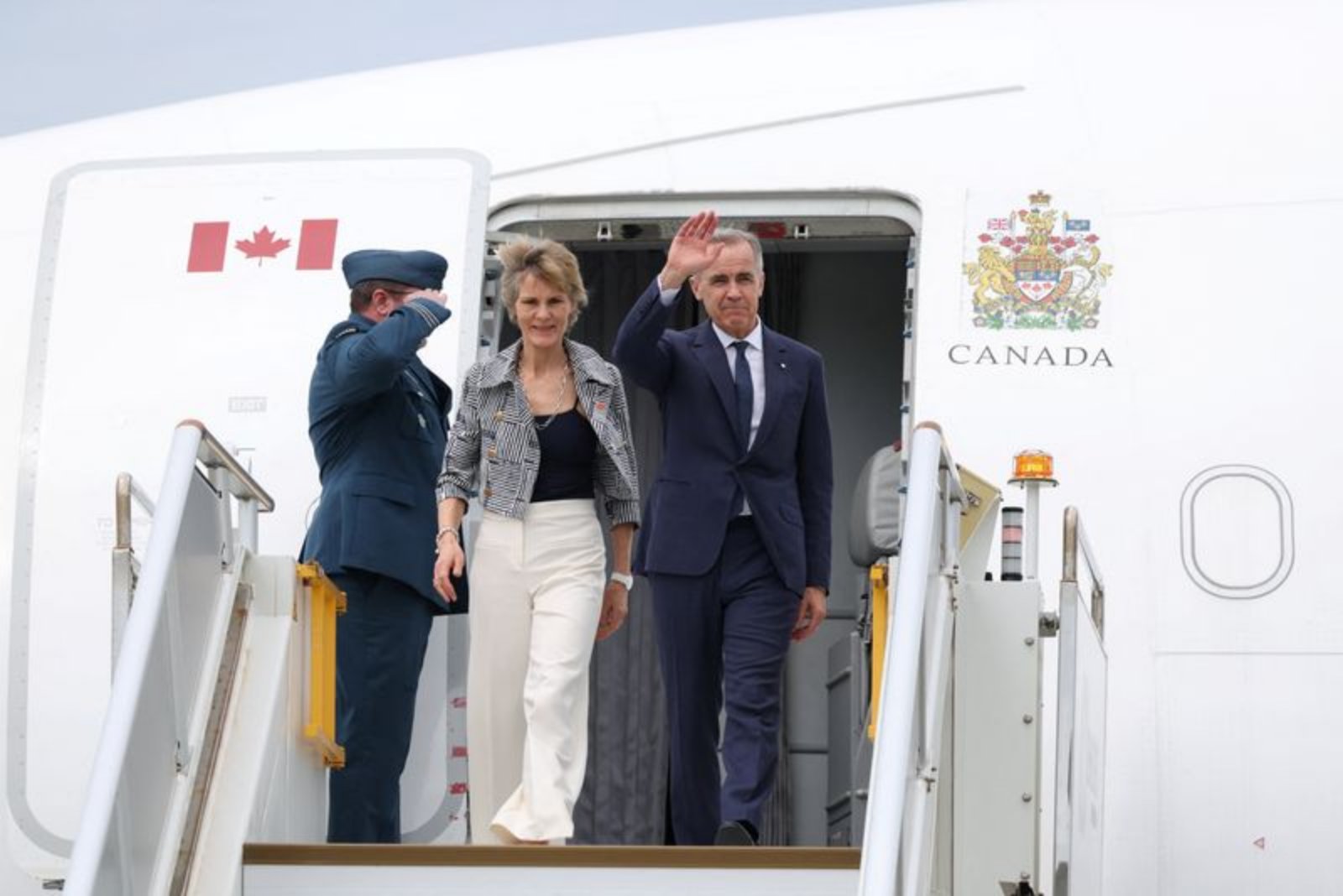
Canadian Prime Minister Mark Carney arrived in Australia on March 3, kicking off a scheduled series of meetings intended to reinforce cooperation between the two countries often labelled as "middle powers." The visit comes as Carney has warned of a "rupture" in the global order and as conflict in the Middle East intensifies.
Carney’s itinerary in Australia includes an address to the national parliament, a public speech at the Lowy Institute think tank in Sydney and bilateral talks with Prime Minister Anthony Albanese. Ahead of the meetings, the Australian government signalled expectations that the two close United States allies will expand collaboration in areas ranging from defence and maritime security to trade, critical minerals and artificial intelligence.
Prime Minister Albanese last week described Canada as one of Australia’s "closest friends, built on generations of trust," and urged deeper ties to advance shared national interests. The sentiment echoes Carney’s public calls for greater cooperation among middle-ranking powers in a changing international environment.
Carney is touring the Asia-Pacific on a multi-leg trip that also includes Japan and India. During earlier stops on this tour he signed trade agreements and worked to reset relations with New Delhi after a year-long diplomatic dispute over Sikh separatism.
A central theme of the Australia visit is cooperation on critical minerals - inputs that are essential for semiconductors and a range of defence applications. Western nations have been seeking to build their own stockpiles of such minerals as China, currently the dominant producer, tightens control over global supply chains.
"There’s a lot Canada and Australia can do together on critical minerals as producer nations," Australian Resources Minister Madeline King said in advance of Carney’s arrival.
Carney has been explicit about the strategic role he sees for nations like Canada and Australia. In a widely publicised speech at the World Economic Forum in Davos last month he said: "Middle powers must act together because if we’re not at the table, we’re on the menu." His planned Lowy Institute address is expected to expand on his analysis of shifts in the global order and highlight opportunities for cooperation by middle powers.
The leaders’ meetings take place against a backdrop of heightened geopolitical tension and competing efforts by Western countries to secure supply chains for critical technologies. Officials from both capitals have indicated a willingness to pursue deeper bilateral cooperation in defence, resource development, trade and emerging technologies, although specific initiatives and agreements to be announced during the visit were not detailed publicly ahead of the meetings.