
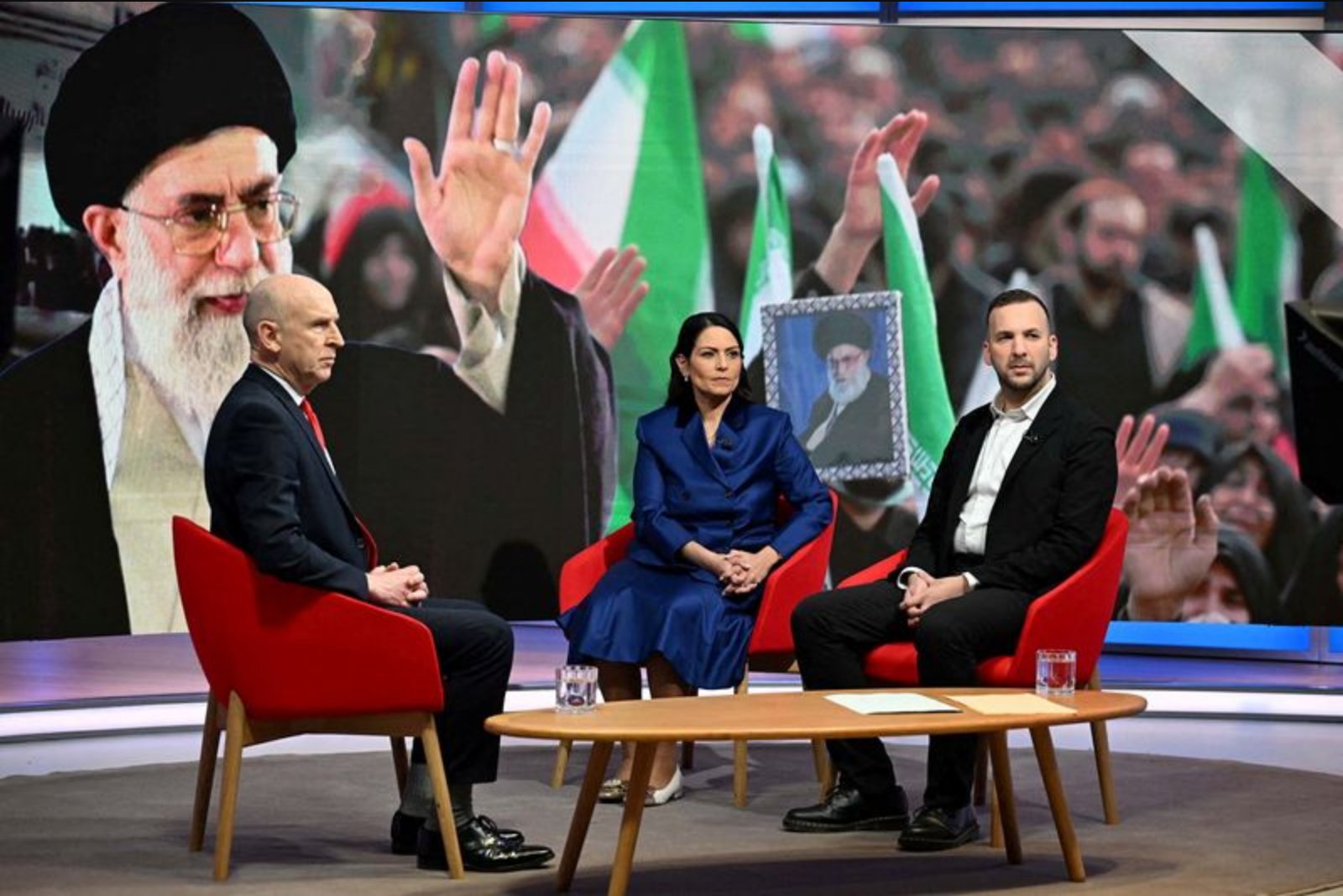
LONDON, March 1 - Britain’s Defence Secretary John Healey on Sunday refused to explicitly back the air strikes carried out by the United States and Israel on Iran, saying it was the responsibility of the U.S. to "set out the legal basis of the action it took".
Iran’s state media has confirmed that the country’s Supreme Leader, Ayatollah Ali Khamenei, was killed in the air strikes on Saturday. Healey told the BBC’s Laura Kuenssberg that the United Kingdom had played no part in the operations, although it shared the goal expressed by the United States and other regional partners that Iran should never possess a nuclear weapon.
When asked whether he believed the strikes fell within international law, Healey reiterated that "it is for the U.S. to set out the legal basis of the action that it took." That comment leaves the task of publicly framing the legal justification to Washington rather than London.
Healey warned of an evolving pattern in Iran’s responses. He said Tehran has been retaliating in what he described as an increasingly indiscriminate way, striking not only military bases but civilian airports and hotels as well.
Describing British defensive measures, Healey told Sky News: "We have strengthened the UK defences in the region, we are active in regional defence operations." He added that UK aircraft were deployed from bases in Qatar and Cyprus and that these forces had been intercepting drone attacks directed at bases and allied personnel.
The defence secretary’s remarks underline a distinction drawn by the UK government between tactical support for regional security and formal participation in the strikes themselves. Healey emphasized the UK’s operational role in protecting forces and allies in the region, while leaving the explanation of the strikes’ legal grounds to the United States.
Context and implications
The statements set out by Britain’s Defence Secretary affirm UK defensive activity in the region and convey a demand for a U.S. account of the legal justification for the attacks. Healey’s characterization of Iranian retaliation as increasingly indiscriminate highlights risks to civilian infrastructure cited by UK officials.