
World February 5, 2026

Britain Says NATO Ministers Likely to Discuss Greenland Security at Next Meeting

Proposed 'Arctic Sentry' mission framed as a collective response to U.S. concerns over Greenland's defence

By Priya Menon
Britain Says NATO Ministers Likely to Discuss Greenland Security at Next Meeting

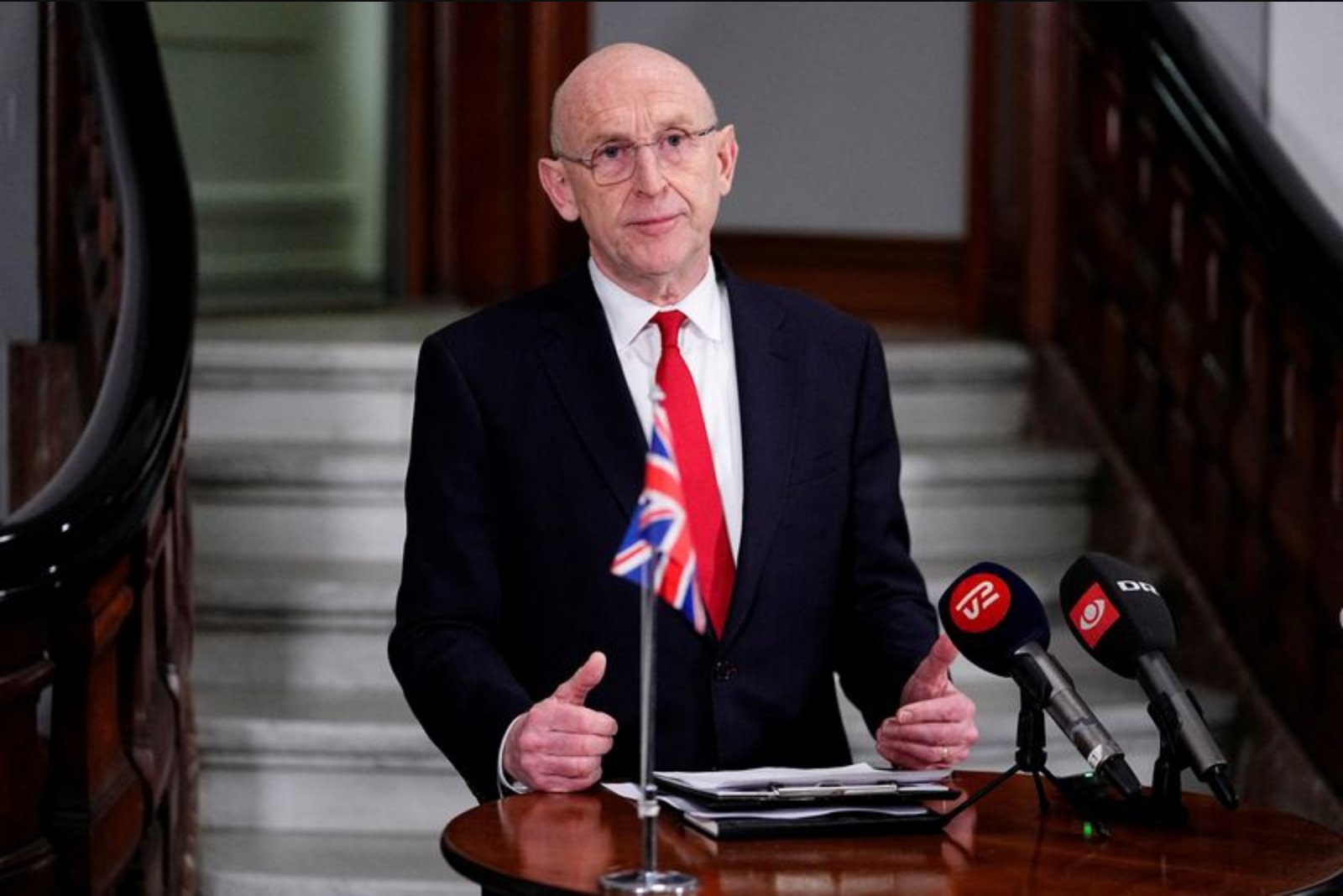
British defence minister John Healey said NATO defence ministers are expected to deliberate measures to reinforce Greenland's security at a meeting in Brussels next week. The proposed NATO 'Arctic Sentry' mission is presented as a way to show the United States that allies are taking steps to address concerns raised about the Arctic. Details of the plan remain limited and it is unclear whether it will be formally discussed at the February 12 session.

Key Points

  • NATO defence ministers are likely to discuss strengthening Greenland’s security at their meeting in Brussels next week - impacts defence and government spending sectors.
  • The proposed 'Arctic Sentry' mission is described as an enhanced vigilance operation intended to show the United States that NATO is addressing Arctic security - relevant to military planning and defence contractors.
  • Britain has increased defence spending because of the war in Ukraine and external pressure for higher NATO spending; UK officials are seeking private capital to complement public defence investment - relevant to defence industry and private investors.

NATO defence ministers are likely to take up measures to strengthen the security of Greenland when they meet next week in Brussels, British defence minister John Healey told Reuters. The discussions follow heightened tensions arising from U.S. President Donald Trump’s repeated assertions that he wants Greenland and his claims that European allies have not adequately secured the territory.

Trump’s comments earlier provoked a dispute with Denmark, the NATO member responsible for Greenland as an overseas territory, and placed strains on the defence alliance. Those strains eased after NATO Secretary-General Mark Rutte said he had engaged President Trump in talks about how NATO members could cooperate to ensure security in the Arctic, but specific plans have not been widely released.

Healey described a proposed NATO mission, dubbed 'Arctic Sentry', as a means for allied nations "to demonstrate to President Trump that we’re already stepping up on Greenland’s security, that we accept and agree that he’s got a point of concern". He emphasised the messaging element of the initiative while noting ongoing operational planning.

"Trump’s put his finger on a challenge. What we’re demonstrating to him is that NATO’s already on it," Healey said, adding that nations would "step up further."

Healey said he expected "to see more discussions at the NATO Defence Ministers meeting that I’ll be at in Brussels next week". NATO has initiated military planning for 'Arctic Sentry' and describes it as an enhanced vigilance mission in the area; however, it had not been clear whether the proposal would be on the agenda for the February 12 meeting.

Separately, Healey noted that Britain has increased its defence spending in response to the war in Ukraine and to pressure from President Trump for NATO allies to raise their defence outlays. Speaking on the sidelines of an event where 10 smaller companies presented technology to potential investors, he said he wanted to attract "sources of private capital that haven’t looked at defence before" so that the record rise in public defence investment could be matched by private investment.

The discussion framing 'Arctic Sentry' as both a demonstration of collective intent and the start of military planning highlights the dual political and operational dimensions of NATO’s approach to Arctic security. At the same time, the exact scope and timing of any formal ministerial endorsement remain unclear pending next week’s meeting.

Risks

  • Unclear details about the 'Arctic Sentry' plan and whether it will be formally discussed at the February 12 meeting create execution and planning uncertainty - affects defence planners and military contractors.
  • Tension between NATO members triggered by U.S. demands and disputes over Greenland could strain alliance coordination if not managed - impacts geopolitical risk assessments and defence sector confidence.
  • Reliance on attracting private capital into defence, as proposed, may face limitations if investors are unfamiliar with or reluctant to enter the defence sector - affects investment markets and defence supply chains.

More from World

Law Firms Prepare for Wave of Refund Suits After Supreme Court Restriction on Tariff Power Feb 20, 2026 Appeals Court Clears Way for Louisiana Ten Commandments Classroom Requirement Feb 20, 2026 Fitch Keeps UK at AA- Citing Flexible Economy but Flags High Debt and Policy Uncertainty Feb 20, 2026 Fitch Maintains Congo's CCC+ Rating, Flags Persistent Debt and Governance Weaknesses Feb 20, 2026 Moody's Upholds Sweden's Aaa Rating, Cites Strong Fiscal Fundamentals Feb 20, 2026