
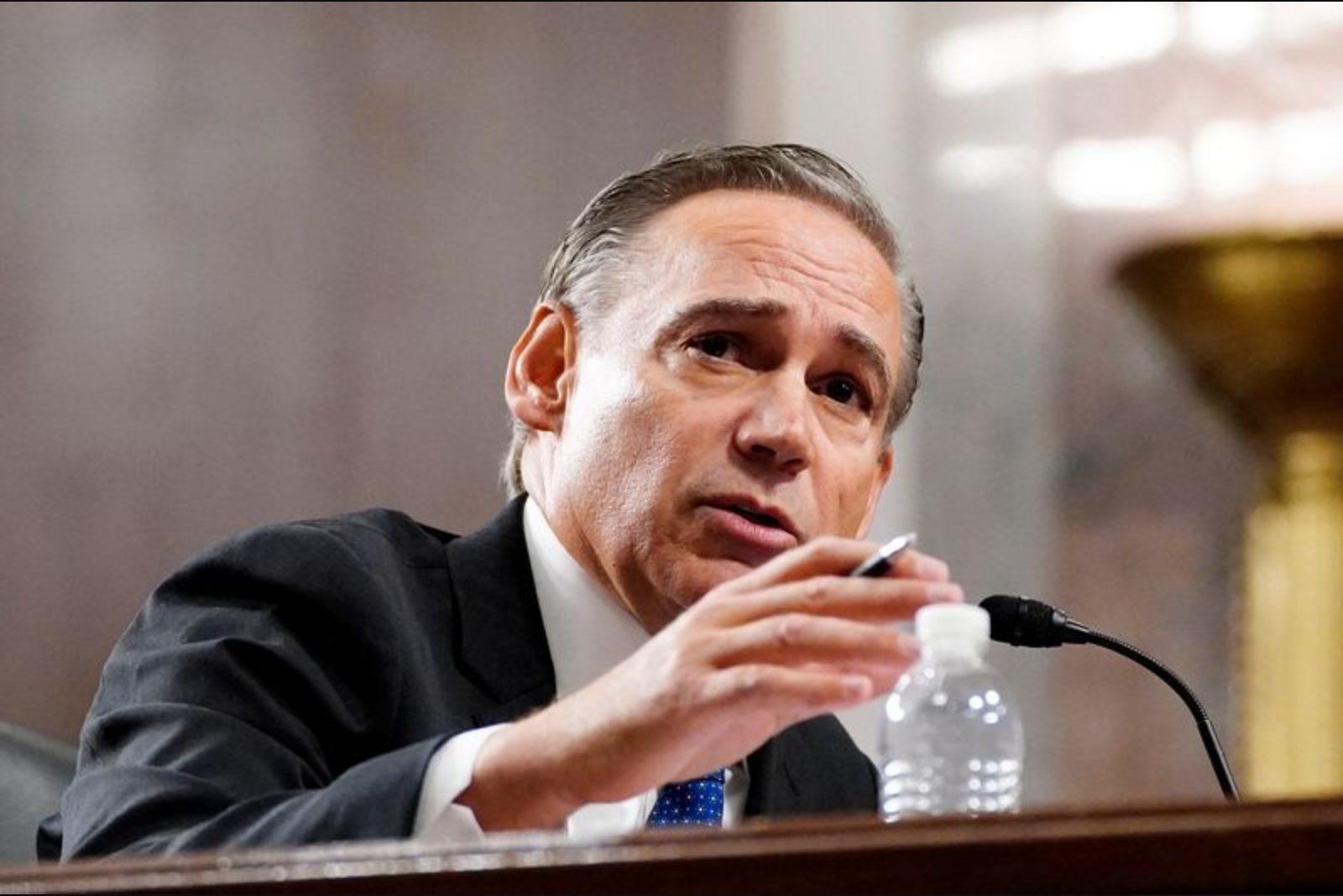
Kelly Ortberg, chief executive of Boeing, said the 200-aircraft commitment reached during a visit to China with U.S. President Donald Trump is only an "initial tranche" and that more orders are likely. Ortberg told attendees at a U.S. conference that the trip had been "super successful" and that it effectively reopened China’s market for Boeing narrowbody jets for the first time in nearly a decade after an effective order freeze tied to trade tensions between Washington and Beijing.
Investors had reacted with disappointment when the announcement disclosed a commitment for 200 aircraft rather than a larger package. Prior to the meeting between Trump and China’s leader, sources had indicated discussions were under way for a package of roughly 500 planes. Ortberg said, however, that the 200-aircraft figure is a starting point and that he expects further commitments to follow.
A source familiar with the matter told Reuters that the 200-jet commitment represents an entirely new deal and does not roll previously unannounced orders into the total. That source said delivery schedules have not yet been confirmed. The same source added that the aircraft are expected to be distributed mainly among China’s three large state-owned carriers - Air China, China Eastern Airlines and China Southern Airlines - but spoke on condition of anonymity because details have not been publicly disclosed.
Boeing declined to comment beyond Ortberg’s remarks. China’s commerce ministry and the state-owned airlines did not immediately respond to requests for comment.
Ortberg outlined how the process typically works once the Chinese government makes a batch commitment: the government allocates the committed aircraft among individual airlines, and Boeing then negotiates firm orders with each airline. He said, "The initial commitment of 200 will turn into an order later on in the year." He also emphasized that he had not expected to return from the trip with a packet full of 500 orders, saying, "I never had a plan to go to China and return with a packet full of 500 orders."
President Trump, speaking after the visit, suggested that Boeing purchases could rise to as many as 750 planes. A source familiar with the negotiations said China plans to buy several hundred additional Boeing jets but does not intend to announce the full extent of its purchases at once. Instead, the source said Beijing will release commitments in stages.
The source added that China could later commit to a further 300 to 500 jets, potentially bringing the total to as many as 700 planes. Any such follow-on commitments, the source said, would be contingent on Boeing meeting obligations to supply critical spare parts for jets already operated by Chinese airlines. Chinese carriers have experienced difficulty obtaining some components amid trade tensions between the two countries, according to the source.
China’s commerce ministry publicly confirmed the 200-jet deal last week, but did not specify the models involved. The ministry also stated that the United States would provide supply guarantees for aircraft engine parts and components - a condition the source described as a key precondition for any additional purchases.
That condition follows a period of heightened tension in which President Trump had threatened to impose export controls on Boeing plane parts as part of a response to export limits on rare earth minerals. The interplay between commercial aircraft commitments and guarantees on parts supply is central to whether the initial 200-aircraft pact becomes a much larger long-term program of purchases.
Context and next steps
At this stage, the 200-aircraft commitment indicates a reopening of a strategically important market for Boeing narrowbodies, but firm orders, delivery timing and the potential scale-up of the agreement remain subject to further negotiations and to assurances on the availability of spare parts and components.