
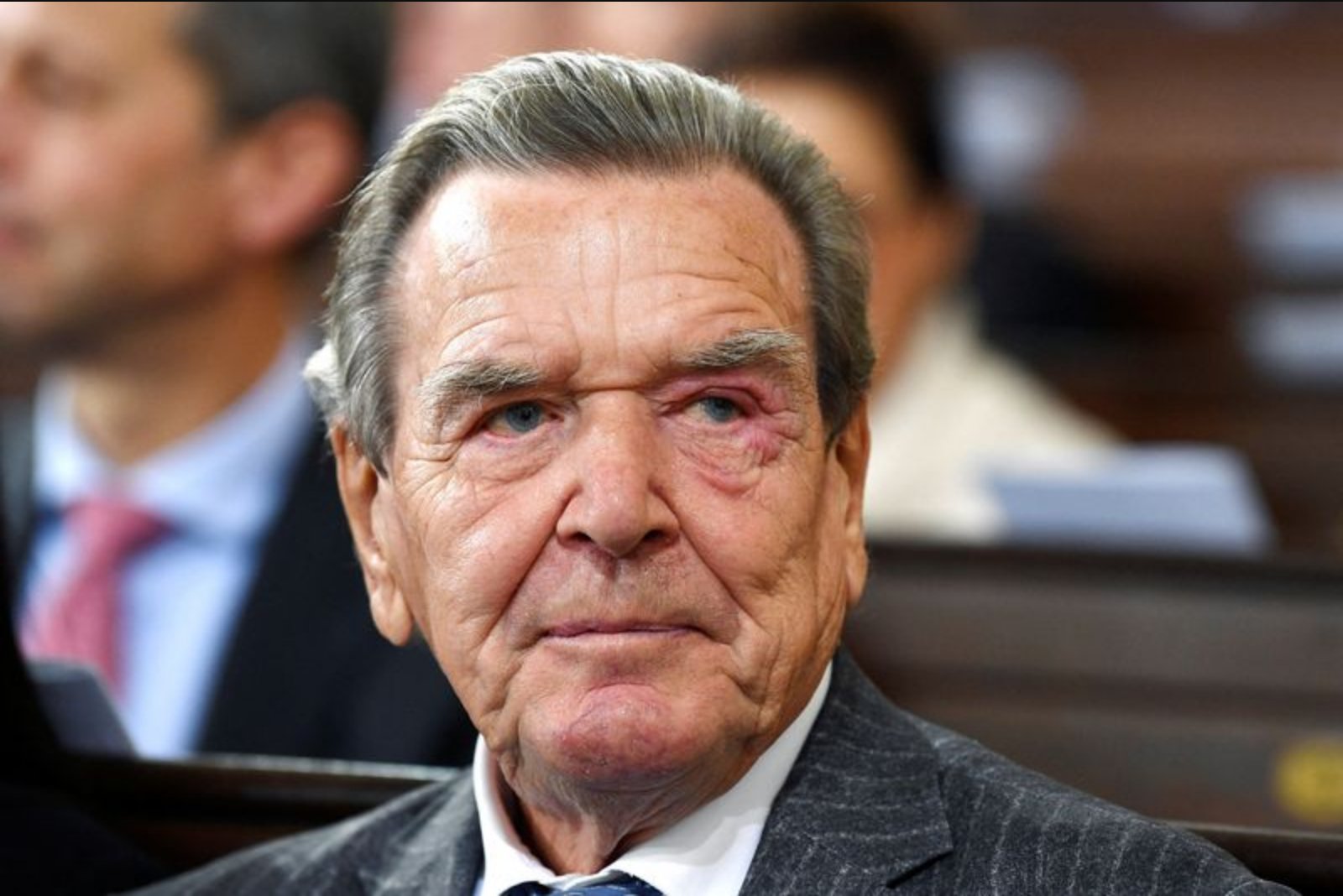
BERLIN, May 10 - Germany on Sunday dismissed a proposal by Russian President Vladimir Putin to have former Chancellor Gerhard Schroeder coordinate negotiations with the European Union aimed at securing a peace deal in Ukraine.
The idea followed recent remarks by European Council President Antonio Costa, who said he saw "potential" for the EU to engage in talks with Russia and to talk about the future security architecture of Europe. Putin subsequently said that, should such talks take place, he would prefer Schroeder to act as his mediator.
A German official, speaking to Reuters on condition of anonymity, rejected the offer as not credible. The official said Russia had not altered any of its conditions and that an early test of Moscow's seriousness would be whether it was prepared to extend a three-day ceasefire. The same official characterized a series of previous offers from Putin as bogus attempts to divide the Western alliance.
Schroeder has been a controversial figure in Germany since leaving the chancellorship in 2005. Almost immediately after leaving office, he took up the position of chairman of a German-Russian gas pipeline consortium, a role that has attracted substantial criticism domestically because of his perceived closeness to Putin.
Responding to the suggestion on Friday, a German government spokesperson said Berlin saw no indications that Moscow was genuinely interested in serious negotiations. The spokesperson stressed that any discussions between the EU and Russia would have to be closely coordinated with EU member states and with Ukraine.
The reactions in Berlin combine skepticism about Moscow's motives with concern over the choice of a mediator who remains a polarizing figure within Germany due to his post-office ties to Russian energy interests. Officials emphasized that concrete changes in Russia's stance - such as a willingness to lengthen an existing short-term ceasefire - would be necessary before any negotiation framework could be considered credible.
Summary - German officials rejected Putin's suggestion that Gerhard Schroeder could coordinate EU-Russia talks on a Ukraine peace deal, citing unchanged Russian conditions and calling for concrete signs, like an extended ceasefire, as a test of seriousness. Berlin also indicated that any talks would require coordination with EU member states and Ukraine.