
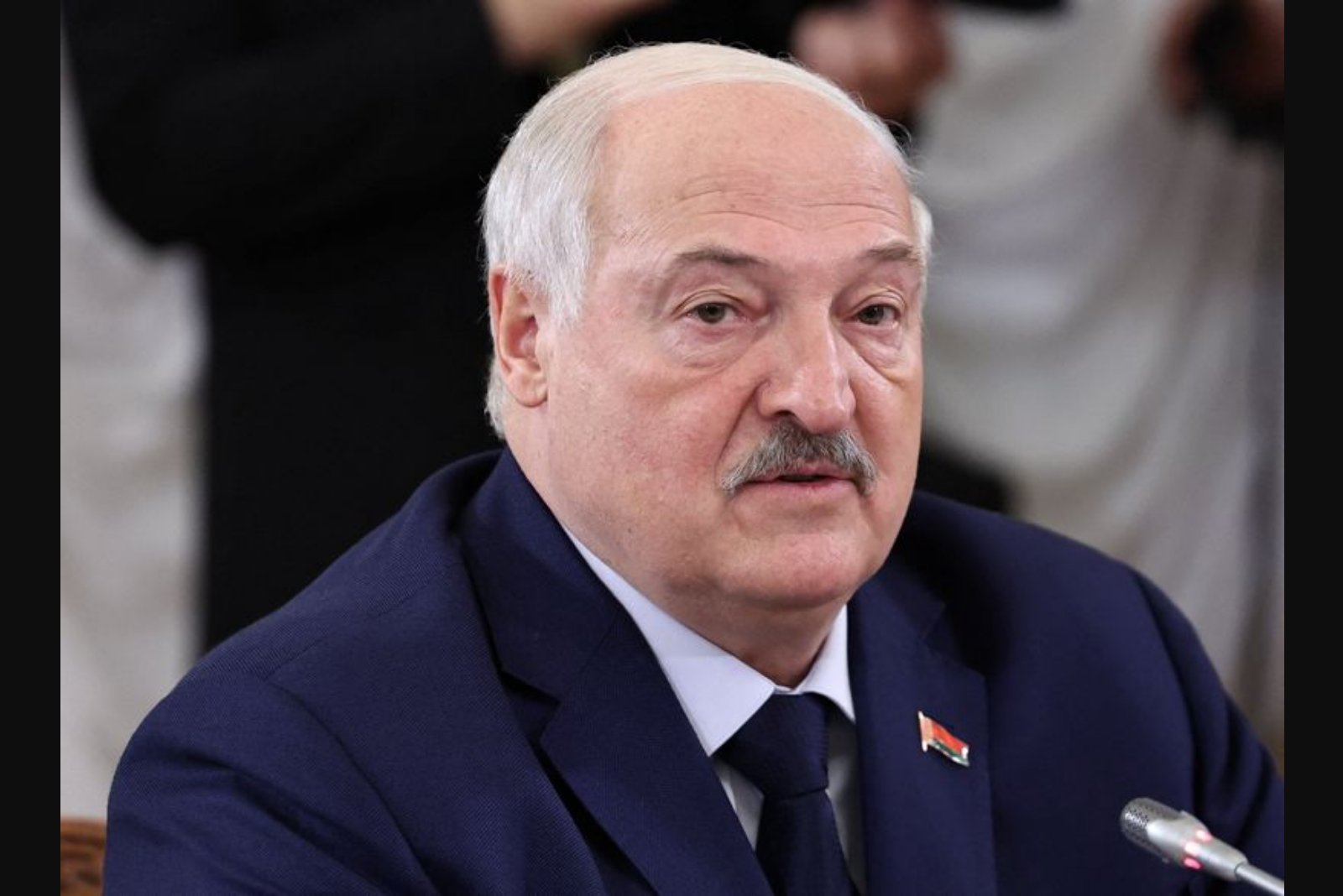
Belarus said on Thursday that it had intended to attend the inaugural session of the U.S. Board of Peace in Washington but was prevented from doing so because visas were not issued to its delegation.
The Belarusian foreign ministry said its delegation, which included Foreign Minister Maxim Ryzhenkov, completed all required procedures on Minsk's side and that the U.S. side had been properly informed of their planned attendance. "However, despite carrying out all the required procedures from our side, visas were not issued to our delegation," the ministry said in a statement.
The ministry questioned the optics of the situation, asking "what kind of peace and what kind of sequence of steps are we talking about if the organisers cannot even complete basic formalities for us to take part?" According to the statement, the invitation to attend the Board of Peace meeting had initially been addressed to President Alexander Lukashenko.
President Lukashenko, who has led Belarus since 1994, agreed last month to join the Board of Peace - an invitation the United States extended as part of a normalisation process that also included the release of detainees deemed political prisoners by Western countries. As part of those diplomatic moves, Washington has eased some sanctions on Belarus in exchange for prisoner releases, the ministry noted.
Belarus has been subject to Western punitive measures over its human rights record for years, and sanctions were intensified after Minsk allowed its territory to be used in support of Moscow's 2022 invasion of Ukraine. Those factors remain central to the bilateral relationship and to the wider diplomatic context in which the Board of Peace meeting took place.
The U.S.-initiated Board of Peace drew representatives from 47 nations to its inaugural session. The body was originally proposed by U.S. President Donald Trump in September when he outlined a plan to end Israel's war in Gaza; Trump later indicated that the board's remit would expand to address other conflicts around the world.
Trump has publicly described Lukashenko as a "highly respected" leader, language that contrasts sharply with assessments from exiled Belarusian opposition leaders who denounce Lukashenko as a dictator.
The Belarusian foreign ministry's complaint about visa refusals underscores the uneven nature of recent diplomatic engagement between Minsk and Washington. While the invitation to the Board of Peace formed part of a package of gestures tied to the release of detainees, the failure to secure visas for an intended delegation highlights procedural and political hurdles that persist.
Contextual note: The account above is based on the statements and events as reported by the Belarusian foreign ministry and the public record of invitations and attendance at the Board of Peace meeting. Where information was limited in official statements, the reporting reflects those limits rather than introducing additional details.