
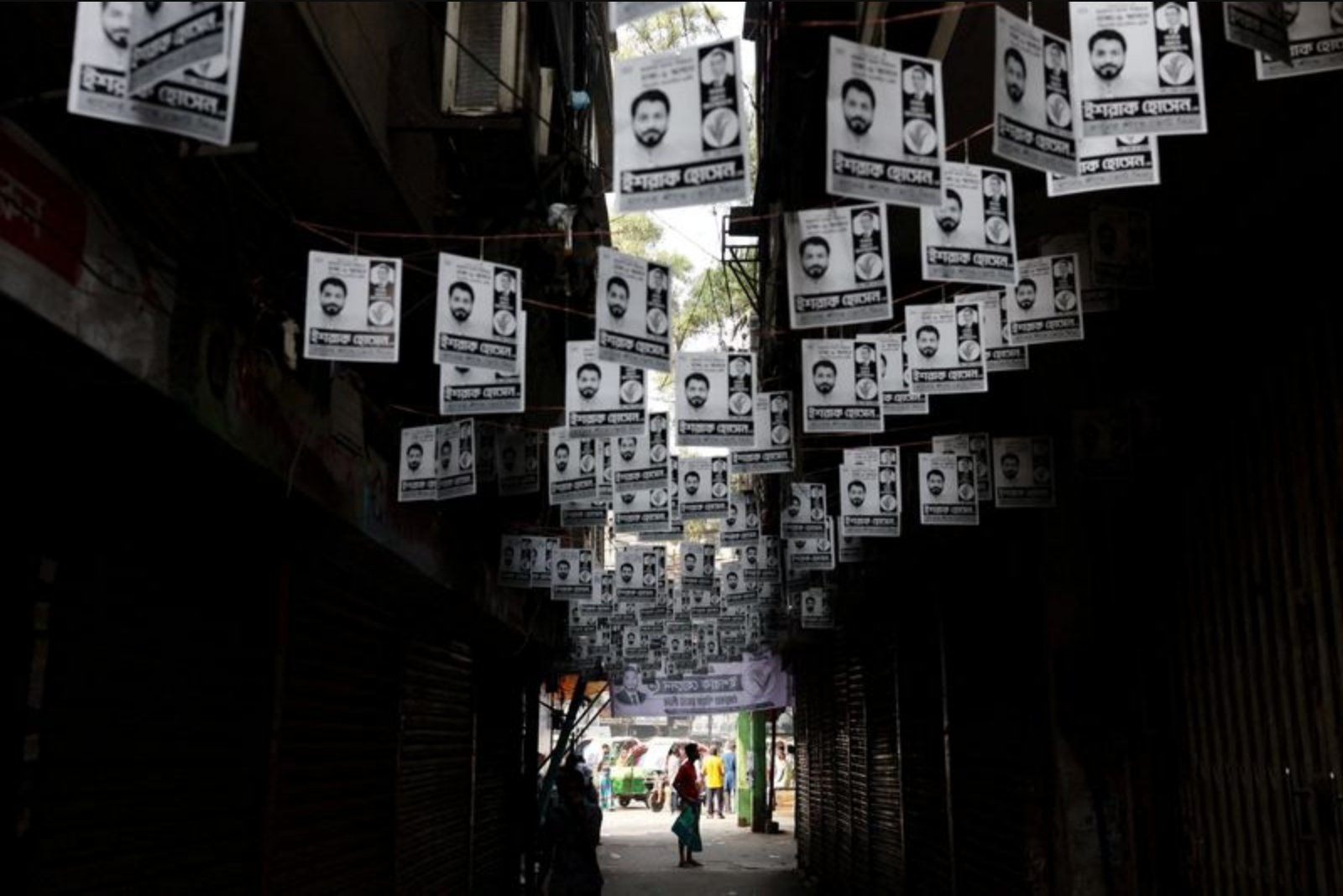
Bangladesh has opened polling in an election that follows the 2024 ouster of long-time premier Sheikh Hasina after mass protests driven largely by voters under 30. The vote is widely framed by analysts as pivotal for restoring steady governance in a nation of about 175 million people that suffered months of unrest and economic disruption following the anti-Hasina demonstrations.
The protests, which turned deadly, shook public life and hit key sectors of the economy, including the garments industry - the world's second-largest exporter in that market. Observers note the stakes extend beyond politics to near-term economic stability as well as regional geopolitical relationships.
It is the first national election worldwide to follow a revolution led by Generation Z, and Nepal is set to hold an election next month under similar historical circumstances. This contest is contested mainly by two coalitions led by former allies: the Bangladesh Nationalist Party (BNP) and the Islamist Jamaat-e-Islami, with pre-election opinion polls showing the BNP holding an advantage.
Former premier Sheikh Hasina’s party, the Awami League, is banned from participating, and Hasina remains in self-imposed exile in India, a country previously described as a long-term ally. That political realignment has prompted commentary about a potential opening for China to increase its influence in Dhaka as ties with New Delhi deteriorate.
Unlike recent elections that were affected by opposition boycotts and allegations of intimidation, this round has seen an unusually large and diverse candidate field. More than 2,000 candidates, including many independents, are competing for 300 seats in the Jatiya Sangsad, or House of the Nation. One constituency’s voting has been postponed after the death of a candidate. In total, at least 50 parties have put forward candidates, a national record.
Muhammad Yunus, the Nobel laureate who heads the interim government installed after Hasina’s ouster, characterized the election as a constitutional reflection of the public awakening that followed the protests. "This election is not just another routine vote," he said, adding that the movement against long-standing anger, inequality, deprivation and injustice now seeks expression through the ballot box.
In parallel with the parliamentary election, voters will decide a referendum on a package of constitutional changes. The proposals include creating a neutral interim government to oversee election periods, restructuring the legislature into a bicameral body, increasing women’s representation, strengthening judicial independence and imposing a two-term limit on the office of prime minister.
Campaigning ahead of the vote was largely calm, officials said, though there were isolated incidents. "The crucial test for Bangladesh now will be to ensure the election is conducted fairly and impartially, and for all parties to then accept the result," said Thomas Kean, a senior consultant with the International Crisis Group. He added that if those conditions are met, it would provide strong evidence that the country is on a path to democratic renewal.
Security on election day is substantial. More than 100,000 soldiers from the army, navy and air force are deployed to support nearly 200,000 police officers in maintaining order at polling stations and surrounding areas.
Polling officially opens at 7:30 a.m. local time (0230 GMT) and closes at 4:30 p.m. Counting is to begin soon after polls close, with early trends expected around midnight and results likely to be clear by Friday morning, according to Election Commission officials.
Nearly 128 million citizens are registered to vote, with women accounting for 49 percent of the electorate. Despite that parity in registration, only 83 female candidates are standing in the race. A recent survey cited corruption and inflation as the foremost concerns among voters.
The two leading prime ministerial contenders named on the ballot are Tarique Rahman of the BNP and Shafiqur Rahman, leader of Jamaat-e-Islami; the two are not related. Voter sentiment on turnout is mixed. Some citizens say practical barriers will keep them away from the polls - rickshaw puller Chan Mia said he cannot afford the travel to return to his village to vote because it would mean losing daily income in Dhaka. Others express disillusionment at the exclusion of the Awami League; gatekeeper Mohammad Sabuj said he is discouraged because Hasina’s party is barred.
Still, other voters said they were determined to participate after years in which they felt their votes were suppressed. "During Hasina’s time, we couldn’t cast our votes," said driver Shakil Ahmed. "It’s my right to vote. This time, I won’t miss it." Their resolve will shape turnout and could influence whether the new parliament and the referendum produce the clear mandate many analysts say Bangladesh needs for stability.