
Overview
Bangladesh is voting in an election that many young activists and political analysts are calling the country's first genuinely competitive contest since 2009, when Sheikh Hasina began a 15-year stretch in power. In a dramatic reversal from recent cycles - when the opposition was often absent from the streets, boycotting polls or stifled by arrests - the former governing party has been banned and newly energized opposition forces are mobilising ahead of the ballot.
Who is contesting
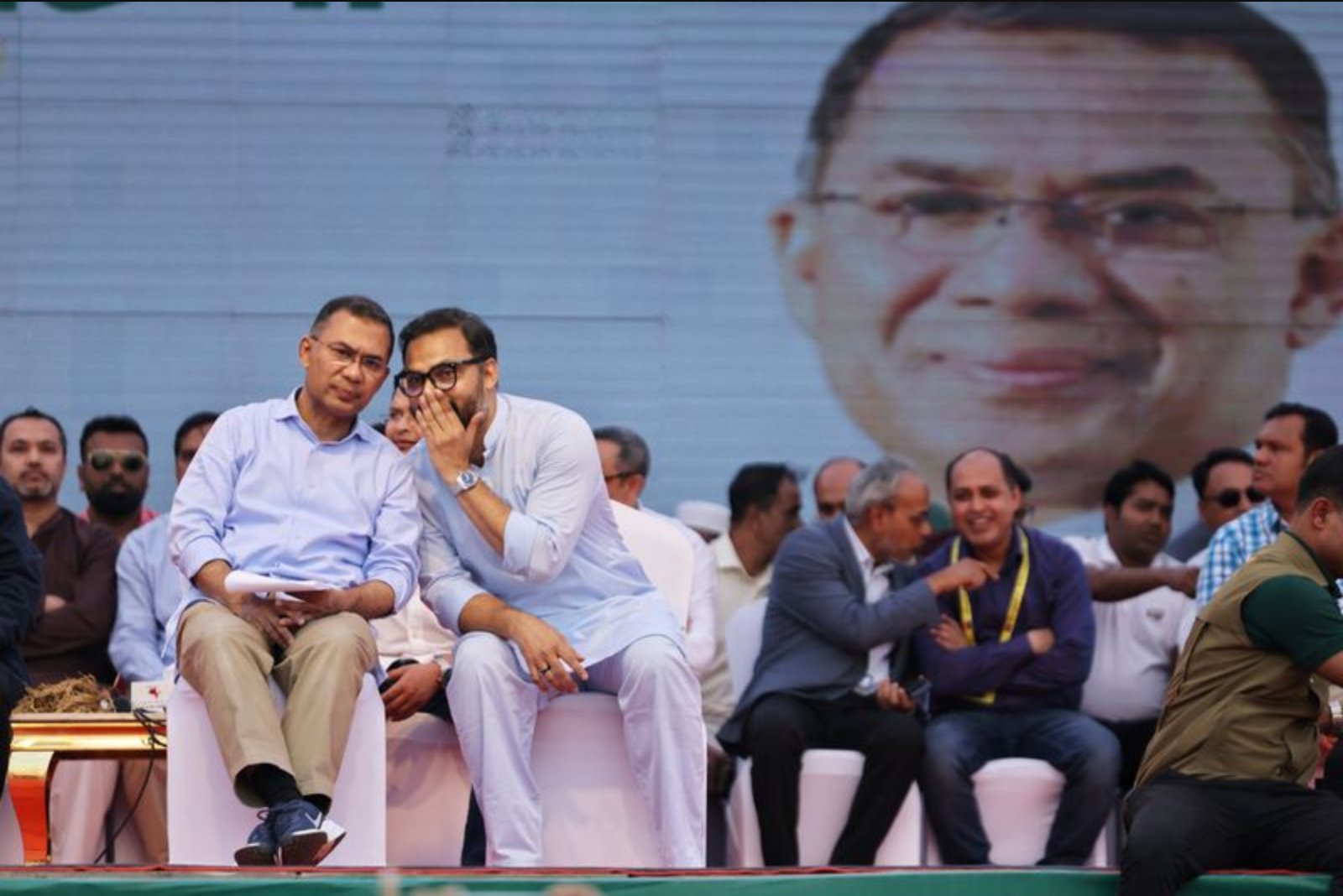
The Bangladesh Nationalist Party (BNP) is contesting 292 of the 300 parliamentary seats up for grabs and is widely expected by many observers to win enough seats to form a government. Tarique Rahman, the BNP leader, told Reuters his party was confident of winning "enough to form a government". At the same time, a Jamaat-e-Islami-led coalition is mounting a strong challenge, and a younger political grouping driven by Gen‑Z activists - most of them under 30 - has aligned with Jamaat after failing to convert its street protests against the ousted Hasina administration into a robust electoral base.
Generational dynamics and undecided voters
Analysts emphasise that the behaviour of younger voters could be decisive. Parvez Karim Abbasi, executive director at Dhaka's Centre for Governance Studies, said: "Opinion polls suggest the BNP has an edge, but we must remember that a significant portion of voters are still undecided." He noted that several factors will shape the outcome, including how Generation Z - which makes up about a quarter of the electorate - votes, as their choices will carry considerable weight.
Campaign scene and symbolism
Across urban and rural Bangladesh, campaign imagery signals the changed political landscape. Black-and-white posters and banners bearing the BNP's "sheaf of paddy" symbol and Jamaat's "scales" are visible on poles, trees and walls, and party shacks at street corners blare campaign songs. This is a sharp visual departure from earlier elections, when the Awami League's "boat" symbol dominated public spaces.
Electoral expectations and party reputations
Opinion polls and local commentary indicate Jamaat, once banned, may achieve its best electoral result even if it does not secure a governing majority. Historically, Jamaat opposed Bangladesh's India-backed 1971 independence from Pakistan, a fact that continues to shape perceptions of the party. The Gen‑Z ally that joined Jamaat has explicitly criticised what it called "New Delhi's hegemony" in Bangladesh and has held meetings with Chinese diplomats, highlighting the geopolitical sensitivities tied to party alignments.
Jamaat has stated that it is not inclined towards any particular foreign power, while Tarique Rahman has said that if the BNP formed a government it would pursue friendly relations with any nation that "offers what is suitable for my people and my country".
Economic stakes and public priorities
Observers note the election's outcome carries significant economic implications. Bangladesh, a densely populated nation with a population cited at about 175 million, faces multiple macroeconomic challenges: high inflation, declining reserves and slowing investment. These pressures have pushed the country to seek large-scale external financing since 2022, including substantial facilities from global institutions such as the International Monetary Fund and the World Bank.
The electoral unrest that followed the ouster of Sheikh Hasina disrupted major industries, notably the garments sector - a critical export industry for Bangladesh and the world’s second-largest exporter in that category. Analysts say a decisive result in the vote - rather than a fragmented or prolonged contest - is important to help restore stability and normalise industrial activity.
Voter concerns and survey findings
Public opinion research highlights the priorities of the electorate. According to a survey conducted by Dhaka-based think tanks Communication & Research Foundation and Bangladesh Election and Public Opinion Studies, corruption ranks as the top concern among the country's roughly 128 million voters, followed by inflation. The survey also found that Jamaat's reputation for a cleaner image plays in its favour more than the party's religious platform, while voters generally prioritise corruption and economic issues over religious or symbolic concerns.
"Voters report high intention to participate, prioritise corruption and economic concerns over religious or symbolic issues, and express clear expectations for leaders who demonstrate care, competence and accountability," the survey said.
Potential geopolitical consequences
Analysts say the verdict will influence Bangladesh's foreign alignments. Beijing's influence in Dhaka has risen since the ouster of Hasina, who briefly fled to New Delhi and remains there, and some observers see Indian influence as having softened. The BNP is viewed by some analysts as relatively more attuned to India than Jamaat, and a Jamaat-led government could be expected by some to tilt towards Pakistan, another Muslim-majority nation and a regional rival of India. Those shifts in orientation would have implications for regional diplomacy and economic partnerships.
Voices of first-time voters
Newly enfranchised voters underscore the political moment. Mohammad Rakib, 21, who is set to vote for the first time, said he hoped the incoming government would protect freedoms of expression and the ability to vote. "Everyone was tired of (Hasina's) Awami League. People couldn't even vote during national elections. People had no voice," he said. "I hope the next government, whoever comes into power, will ensure this freedom of expression."
What is at stake
With 300 parliamentary seats at stake and the BNP contesting the vast majority of them, the election is positioned as a potential turning point for Bangladesh's political and economic trajectory. Observers stress that how Generation Z and undecided voters cast their ballots, how quickly the post-election result provides clarity, and which coalition is able to translate street momentum into stable parliamentary authority will determine the speed of the country's return to economic normalcy and the character of its foreign relations in the coming years.