
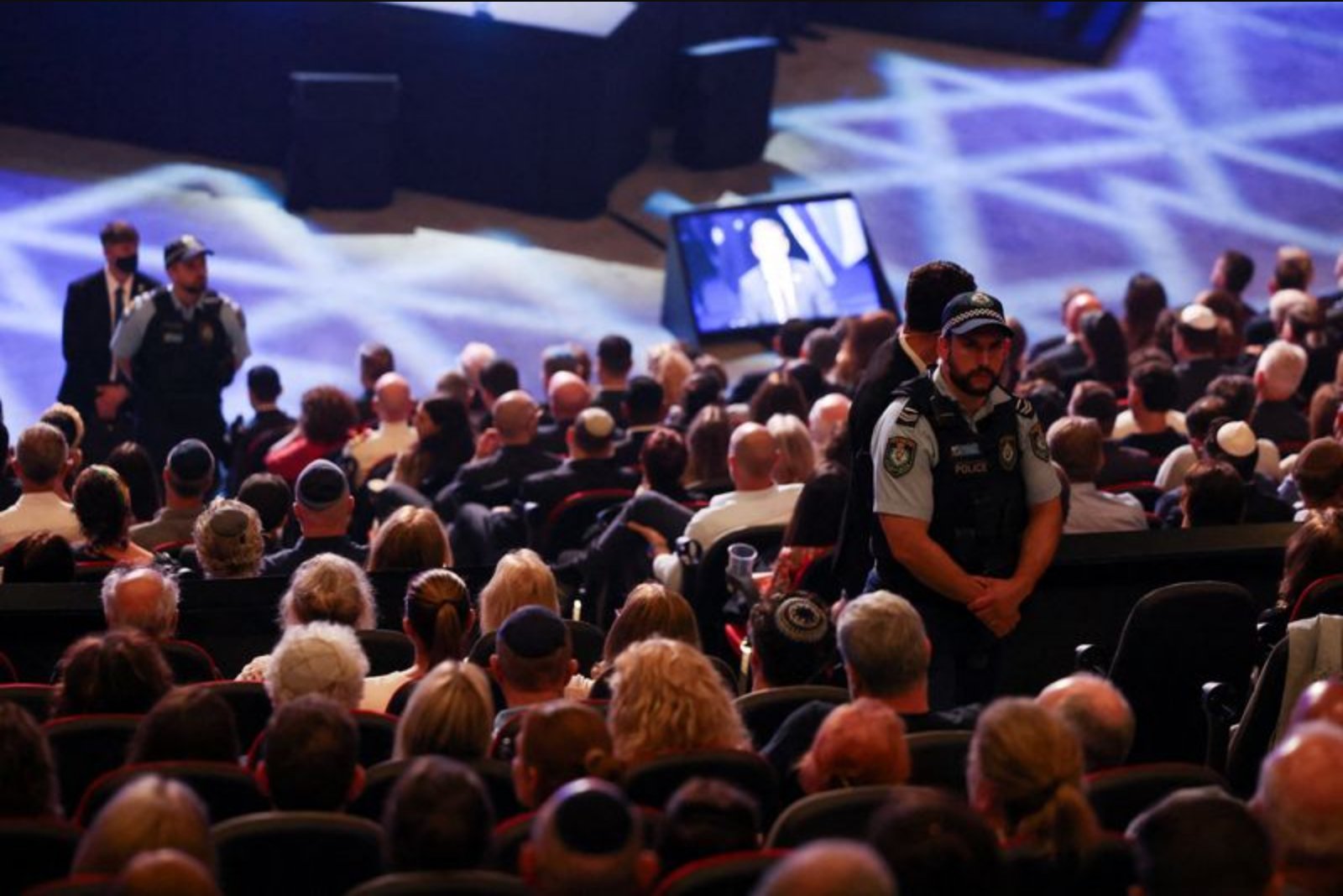
Australian political leaders appealed for calm on Tuesday after confrontations between law enforcement and demonstrators opposing Israeli President Isaac Herzog's visit broke out in central Sydney.
New South Wales state police said 27 people were taken into custody, including 10 individuals arrested on allegations of assaulting officers, after violence erupted when participants did not leave a planned protest location and police moved in to open access for pedestrians. In a statement, the police reported there were no indications of serious injuries among those involved.
Prime Minister Anthony Albanese described the scenes as devastating and urged protesters to voice their positions without resorting to violence. Speaking on radio station Triple M, he said Australians want two things - that conflict not be brought onto Australian soil and that the killing stop, whether it is Israelis or Palestinians. Albanese added that such scenes undermine the causes protesters seek to advance.
Several thousand people gathered in the central Sydney protest on Monday to oppose Herzog's visit. The demonstration occurred after a mass shooting at a Jewish religious event at Bondi Beach in December that resulted in the deaths of 15 people. Television footage from the protest showed officers attempting to hold back some demonstrators who pushed at blockades; some participants were seen lying on the ground while police officers restrained them. Police used tear gas and pepper spray to disperse parts of the crowd.
Authorities had been granted special, rarely used powers for the protest, enabling police to direct crowds to move, restrict entry to certain areas and search vehicles. A Sydney court on Monday dismissed a legal challenge to those restrictions. The president himself was not at the protest site.
New South Wales Premier Chris Minns defended police operations, saying officers had to make swift decisions in what he characterised as tense and volatile conditions, and he called for calm. "The circumstances are difficult for the police, who are trying to keep the public and public safe," Minns told the ABC.
In a statement, the Palestine Action Group Sydney said protesters were unable to leave because they were surrounded by police on all sides. The group alleged that police began charging the crowd with horses, indiscriminately pepper-spraying attendees, and punching and arresting people.
Assistant Commissioner Peter McKenna countered that police actions were justified and that officers had shown restraint. He said that at times the situation was precarious for officers who were significantly outnumbered by protesters and by people who wanted to act in a violent and offensive manner.
Context and immediate consequences
The clashes prompted public calls from senior leaders to keep protests peaceful while law enforcement defended the tactical choices made during the event. A legal challenge to crowd-control measures was considered and rejected by a court during the same day, and officials emphasised the need to balance safety with the right to protest.
As authorities and protest groups offered differing accounts of how the confrontation unfolded, officials reiterated concerns about public safety and the importance of orderly demonstrations.