
World March 8, 2026

Australia tells families of diplomats to leave UAE as regional fighting intensifies

Government updates travel guidance after strikes raise energy costs and disrupt business and aviation

By Sofia Navarro
Australia tells families of diplomats to leave UAE as regional fighting intensifies

Australia has directed the family members and dependants of its diplomatic staff in the United Arab Emirates to depart the country after an escalation in the Middle East. The move follows Iranian bombardment of several Gulf cities and comments from the U.S. president that he is not seeking negotiations to end the U.S.-Israeli military strikes against Iran. Australian officials have updated travel advice, reported the return of over 1,700 citizens from the UAE, and said roughly 115,000 Australians were in the Middle East when the conflict began 10 days ago. Canberra has ruled out sending troops but is considering requests to help defend countries from Iranian drones and missiles.

Key Points

  • Australia has asked family members and dependants of diplomatic staff in the UAE to leave due to an escalation in the Middle East.
  • More than 1,700 Australians have arrived back in Australia on commercial flights from the UAE; about 115,000 Australians were in the Middle East when the conflict began 10 days ago.
  • The conflict and related military strikes have driven up global energy prices, disrupted business activity and snarled air travel; Australia will not deploy troops but is considering requests to help protect countries from Iranian drones and missiles.

Australia has asked family members and dependants of its diplomatic personnel in the United Arab Emirates to leave the country after a marked escalation in the conflict across the Middle East, officials said. The request comes as several Gulf cities have been subjected to Iranian bombardment.

U.S. President Donald Trump told reporters on Air Force One that he was not seeking negotiations to end the U.S.-Israeli military strikes against Iran. Those strikes have been blamed in reports for pushing up global energy prices, disrupting commercial activity and snarling air travel.

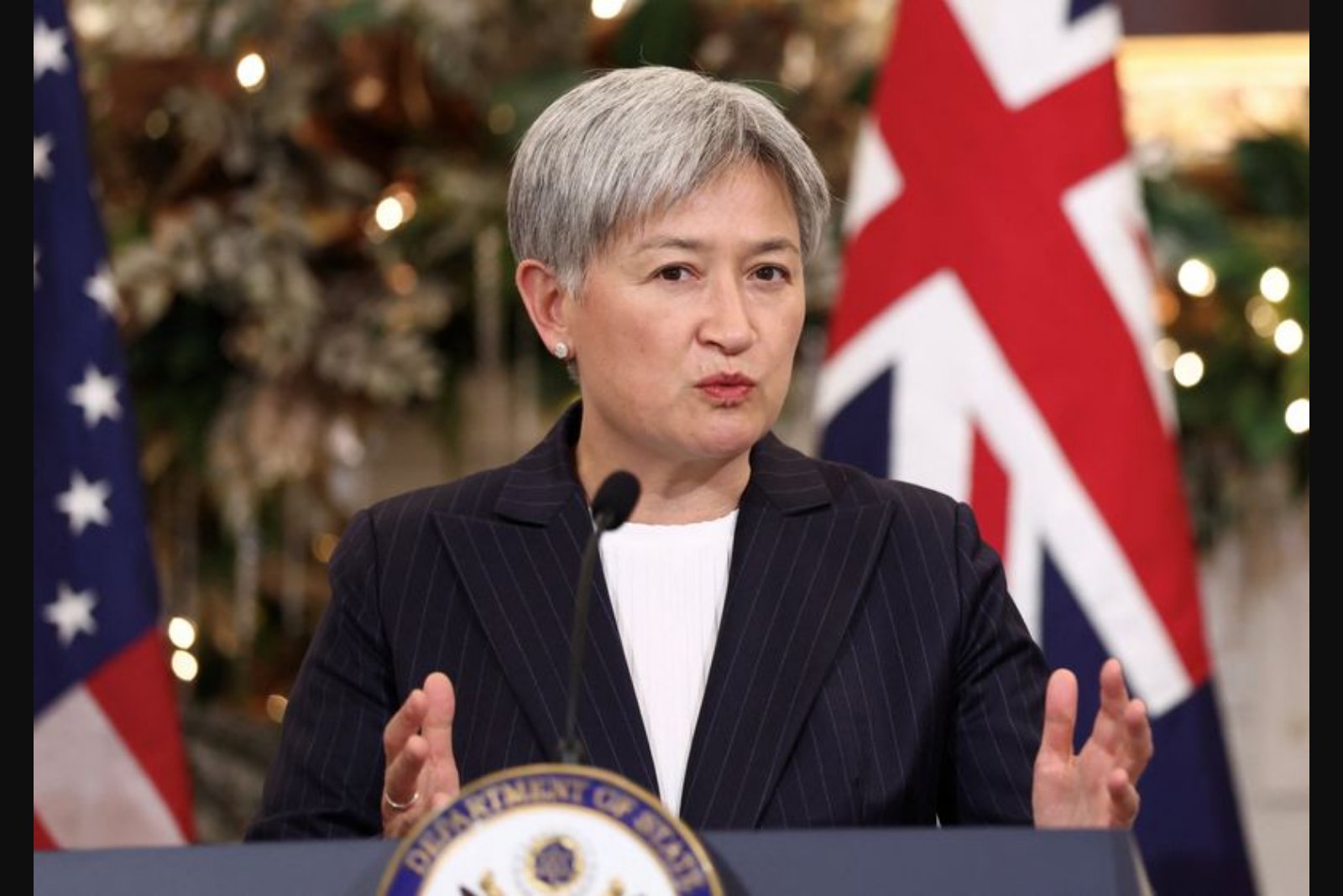
Australian Foreign Minister Penny Wong stated that the security situation in the region had deteriorated. "Our travel advice has been updated to reflect that direction. We continue to advise Australians not to travel to the UAE," Wong said in a post on X on Sunday night.

Wong also provided figures on citizen movements and presence: more than 1,700 Australians have returned to Australia so far on commercial flights from the UAE, and about 115,000 Australians were in the Middle East when the conflict began 10 days ago.

Canberra, which is a close ally of the United States, has announced it would not deploy troops to the Middle East if the conflict expands. At the same time, Australian officials indicated on Sunday that they were considering requests to assist in protecting countries from Iranian drones and missiles.


Context and implications

The government action focused on non-essential dependants of diplomatic staff reflects a tighter posture on civilian safety as regional fighting continues. The updated travel advice explicitly discourages Australians from traveling to the UAE. The reported movements of citizens and the noted scale of Australians in the region underline the scope of potential consular and logistical demands.

What remains uncertain

Information released by officials describes an evolving situation: the conflict is said to have started 10 days ago and further developments remain possible. Australia has signalled reluctance to commit troops while being open to providing defensive assistance against drones and missiles, but the extent and nature of any such support were not detailed.

Risks

  • Further deterioration in regional security could increase pressure on energy markets and business operations - sectors impacted include energy and commerce.
  • Ongoing strikes and bombardments have already disrupted air travel and could cause extended interruptions to aviation - the travel and airline sectors are affected.
  • Uncertainty over military escalation and defensive commitments may create volatility in markets sensitive to geopolitical risk, including energy and defense-related industries.

More from World

Two Drones Crash Near Dubai International Airport, Four People Hurt as Iran Crisis Persists Mar 11, 2026 London Police Prohibit Annual Al Quds March Citing Risk of 'Extreme Tensions' Mar 11, 2026 Israeli Strike Damages Central Beirut Apartment Block, State Media Says Mar 11, 2026 White supremacist material fuels wave of youth plotting attacks across Southeast Asia Mar 11, 2026 White South Africans Return Home Citing Family, Costs and Improved Conditions Amid Political Debate Mar 11, 2026