
Australia stated on Monday that it will not take part in military operations in Iran, ruling out sending troops to the Middle East even if the confrontation between Israel and Iran escalates further. The comment came as Israel mounted fresh strikes on Tehran and Iran answered with additional missile attacks.
The developments in the region included the death of Iran's Supreme Leader Ali Khamenei in an attack on Saturday, and U.S. officials reporting their first casualties in the conflict. U.S. President Donald Trump suggested the conflict could continue for about four more weeks.
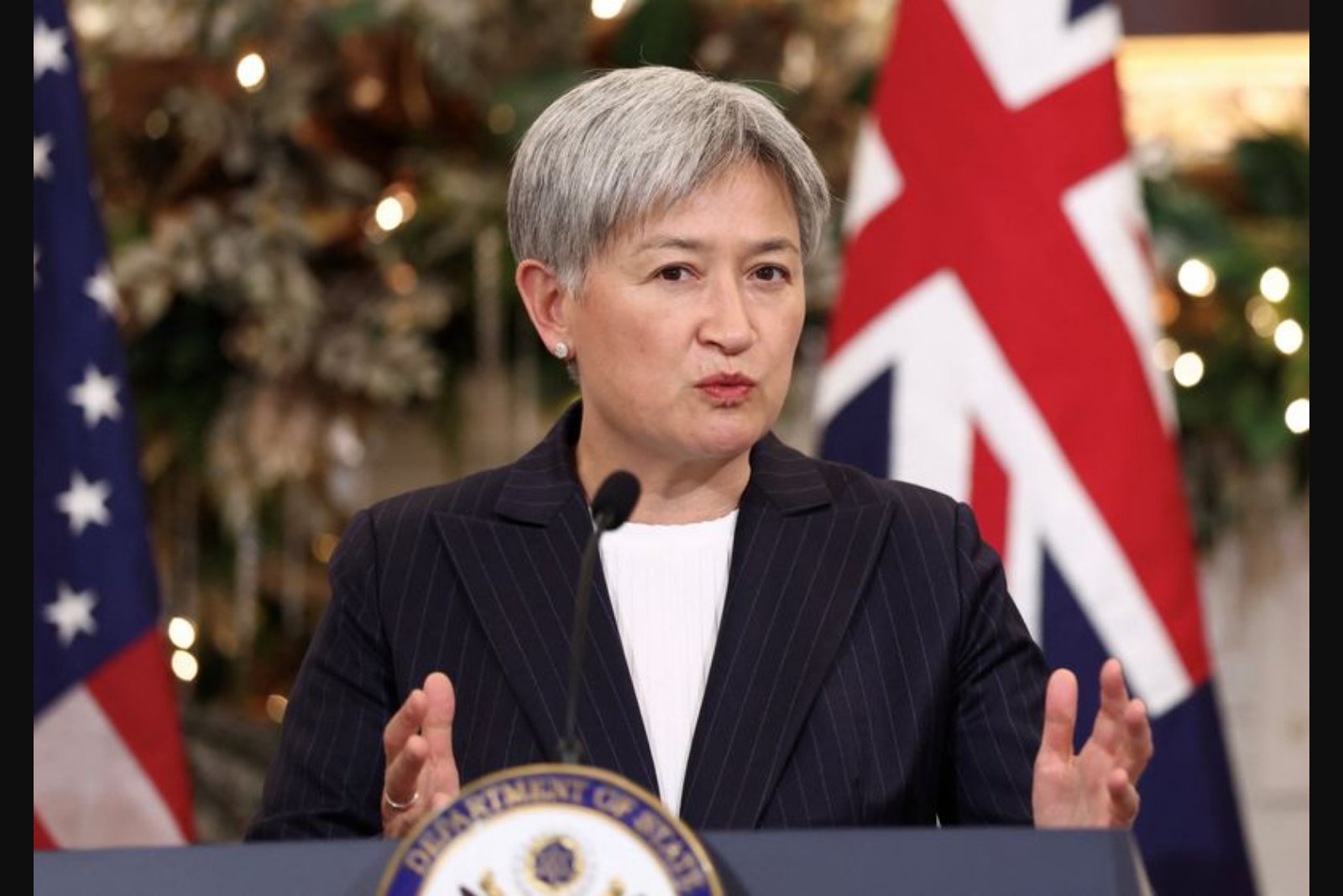
Australian Foreign Minister Penny Wong made Canberra's position clear in broadcast and on-the-record remarks. Speaking to Channel Nine on Monday, Wong said: "Australia is not central to the issues in the Middle East. We didn’t participate in these strikes and we wouldn’t anticipate participating in the future."
Wong acknowledged the practical difficulties the government faces in assisting Australians who remain in the Middle East. She said Canberra had been in talks with commercial airlines to help citizens stranded across the region, but that evacuation operations would be complicated while much of the airspace remained closed.
"We understand how distressing and challenging this time is, and we will do all that we can to provide you with information and to support you. The situation is very challenging," Wong told reporters earlier in Canberra.
Officials estimate there are about 115,000 Australians in the region. Wong said the most feasible route to bring them home would be for commercial airlines to resume normal services, and she declined to confirm whether the government was arranging dedicated repatriation flights. "There is conflict in the region, we’ve seen loss of life across the region and airspace is not open. So whether or not it is an Australian flight or a commercial flight, the flights are not able to occur," she said.
Air travel between Australia and the Middle East remained disrupted on Monday. Major carriers Etihad and Emirates cancelled some services from Australia amid continuing volatility and airspace restrictions that have affected routes that serve as hubs between Australia, Asia and Europe.
Separately, Defence Minister Richard Marles said the government had put in place measures intended to protect roughly 100 Australian defence personnel stationed at the Al Minhad Air Base near Dubai. The base is used to provide support for United Nations missions.
Context and implications
Canberra's declaration that it will not become militarily engaged underscores a decision to limit Australia's direct involvement in the widening regional conflict. The immediate practical focus is consular assistance and mitigating travel disruption for Australians in the affected area while monitoring the safety of defence personnel attached to international operations.