
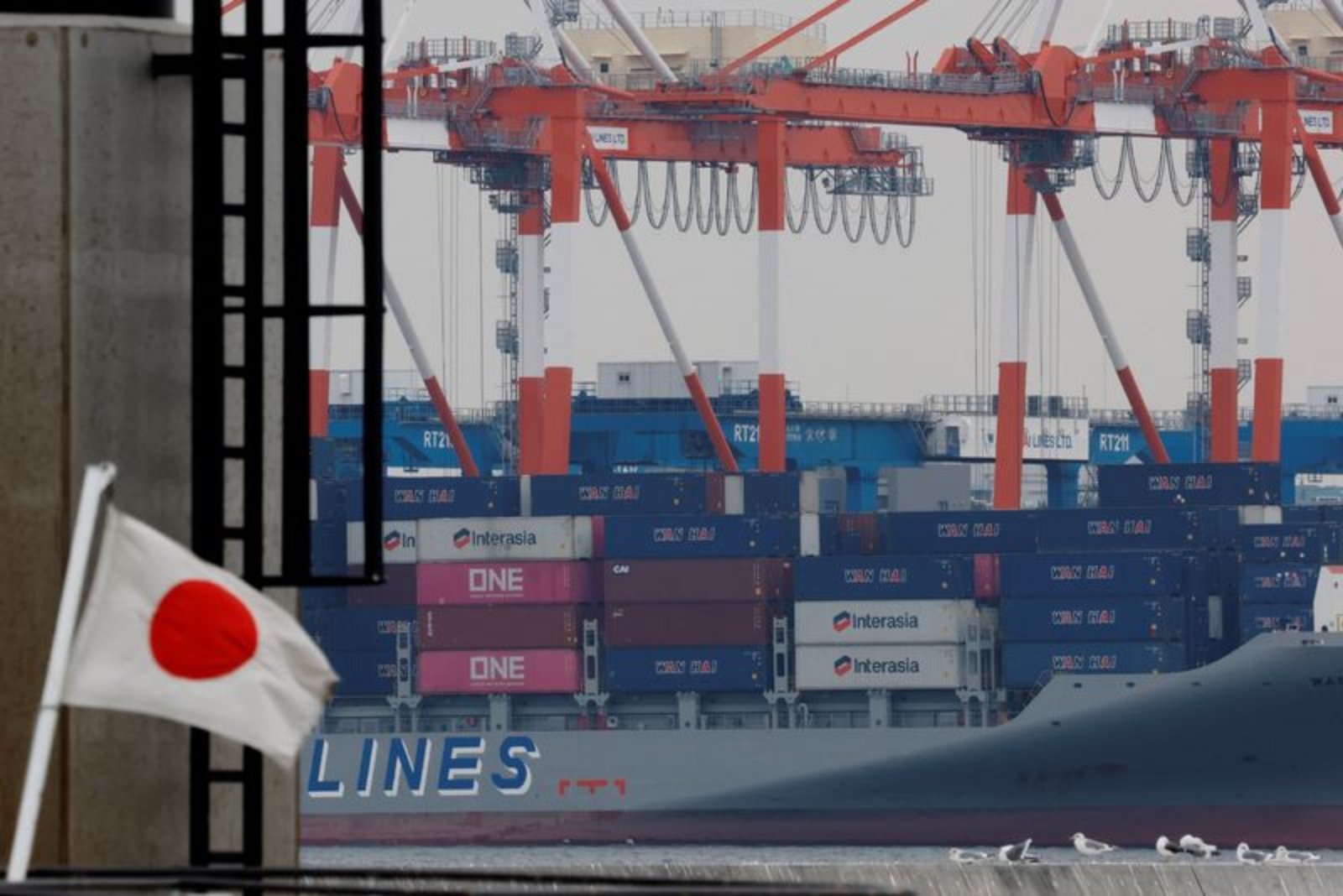
HONG KONG/TAIPEI, Feb 21 - Asian trading partners entered a phase of heightened uncertainty on Saturday after a U.S. Supreme Court ruling struck down a series of tariffs that had been implemented under emergency authorities, and U.S. President Donald Trump responded by saying he would introduce a separate 10% import duty on imports from all countries for an initial 150 days.
The court decision removed several levies that had been used by the prior U.S. administration to target major Asian exporters, including China, South Korea, Japan and Taiwan - the latter noted as the world's largest chip maker and a key node in global technology supply chains. Within hours of the ruling, Trump announced the new 10% tariff under a different legal mechanism, prompting warnings from analysts that additional measures could follow and that businesses and investors could face renewed confusion.
Japanese officials said they would study the judgment and Washington’s subsequent moves closely. A government spokesman in Tokyo said the administration "will carefully examine the content of this ruling and the Trump administration’s response to it, and respond appropriately." The statement underscored the need for clarity among export-reliant economies that are integrated into U.S.-bound supply chains.
China had not issued a formal response by Saturday and had not launched countermeasures as it entered an extended holiday period while preparing to host a forthcoming visit by Trump. In Hong Kong, however, Christopher Hui, the territory’s secretary for financial services and the treasury, described U.S. developments as a "fiasco" and argued that the episode highlighted Hong Kong’s "unique trade advantages." At a media briefing, Hui said the situation demonstrated the stability and predictability of Hong Kong’s policies and its separate status as a customs territory, which has often shielded the city from direct exposure to U.S. duties targeting mainland Chinese goods.
Hong Kong’s separate customs territory status has meant that, while Washington has imposed higher tariffs on mainland exports, Hong Kong-made products have generally encountered lower rates. That differential has allowed the city to sustain trade flows even as tensions between the two countries have risen.
The Supreme Court ruling applied specifically to tariffs that were imposed on the basis of the International Emergency Economic Powers Act (IEEPA), which is intended for national emergencies. Trade policy monitor Global Trade Alert estimated the immediate consequence of the court’s decision would be a substantial reduction in the U.S. trade-weighted average tariff - from 15.4% to 8.3%.
For nations that had been facing higher U.S. tariff levels, the impact is more pronounced. Global Trade Alert’s calculation implied double-digit percentage point cuts for countries such as China, Brazil and India, though those nations would still face relatively elevated tariff levels compared with prior baselines.
In Taipei, Taiwan’s government said it was monitoring developments closely, noting that the U.S. had yet to set out how it would fully implement its trade arrangements with many partners. A cabinet statement said: "While the initial impact on Taiwan appears limited, the government will closely monitor developments and maintain close communication with the U.S. to understand specific implementation details and respond appropriately." The statement also referenced two recent bilateral measures: a memorandum of understanding signed last month that committed Taiwan to invest $250 billion, and a separate agreement signed this month that aimed to lower reciprocal tariffs.
Analysts cautioned that the court’s decision, while removing certain emergency-based tariffs, may provide little net relief to the global economy if Washington pursues alternative routes to impose duties. They warned of a period of further confusion as trading partners brace for additional measures that could be enacted under different legal authorities.
In Bangkok, Nantapong Chiralerspong, head of Thailand’s Trade Policy and Strategy Office, noted that the ruling could inadvertently benefit exporters in the near term by triggering a round of "front loading" - where shippers accelerate shipments to the U.S. ahead of anticipated tariff shifts, thereby temporarily boosting export volumes.
Separately, corporate disclosures tracked across the Asia-Pacific region indicated that firms have already faced financial impacts, altered supply arrangements and in some cases withdrawn activity as duties rose through 2025 and into early 2026. Those business-level adjustments reflect the strain that elevated and uncertain trade barriers can place on companies embedded within international supply chains, particularly in sectors reliant on cross-border inputs.
As markets and governments digest the court’s judgment and Washington’s announcement of a 10% universal import duty for an initial 150-day period, the immediate outlook is one of heightened policy ambiguity. Officials from affected economies said they would continue to monitor developments and engage with U.S. counterparts to understand implementation specifics and to protect trade and investment channels where possible.