
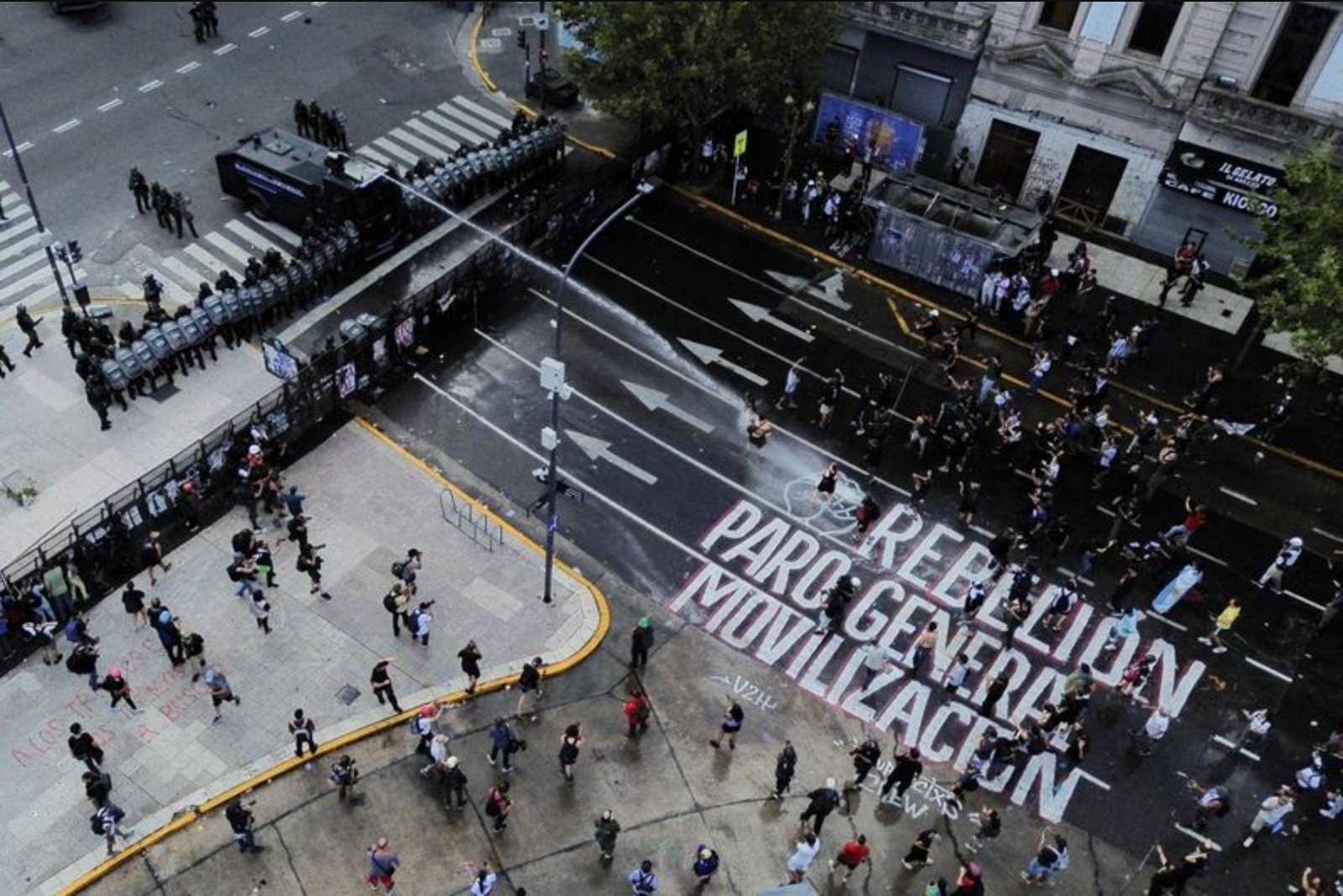
Argentina’s lower chamber of Congress gave final approval on Friday to a controversial labor reform bill backed by libertarian President Javier Milei, moving the measure one step closer to becoming law. After lawmakers debated amendments into the early hours, the Chamber of Deputies passed the bill by a vote of 135-115 and sent it back to the Senate for what the government expects will be a conclusive vote next week.
The legislation is supported by the ruling party and its center-right allies, and the government argues it will attract investment and expand formal employment. Investors have been watching the progress of the bill closely as a barometer of Milei's ability to advance his free-market agenda.
Debate in the lower house included appeals from proponents who framed the reform as necessary to generate jobs. "What good is an entire library of labor legislation if, at the end of the day, the system it establishes doesn’t serve to create jobs?" ruling party lawmaker Lisandro Almiron asked during the floor exchanges.
Opponents and unions, however, say the overhaul endangers established worker safeguards, including the right to strike. The powerful CGT umbrella union organized a 24-hour stoppage on Thursday that involved transport workers, public sector employees and bank staff. Earlier in the week, maritime workers staged protests that affected Argentina’s grain exports on Wednesday and Thursday.
"There is not a single letter or a single line (in the bill) that favors workers at all, and when there is any kind of benefit, it is directed toward the business sectors," said opposition Peronist lawmaker Sergio Palazzo during the debate.
Among the late alterations to the text was the removal of an article that would have reduced sickness-related benefits for employees. The Senate is expected to approve the amended bill next week, with President Milei aiming to have the legislation in place by the time Congress opens its ordinary sessions on March 1.
While the lower house vote marks a key milestone for the administration, the outcome in the Senate will determine whether the package becomes law within the government’s stated timetable. The political standoff between the executive branch and union organizations has already manifested in sectoral stoppages and disruptions to trade-linked activity.
For now, the bill remains on a fast track to final consideration in the upper chamber, with its future hinging on the pending Senate vote.