
Overview
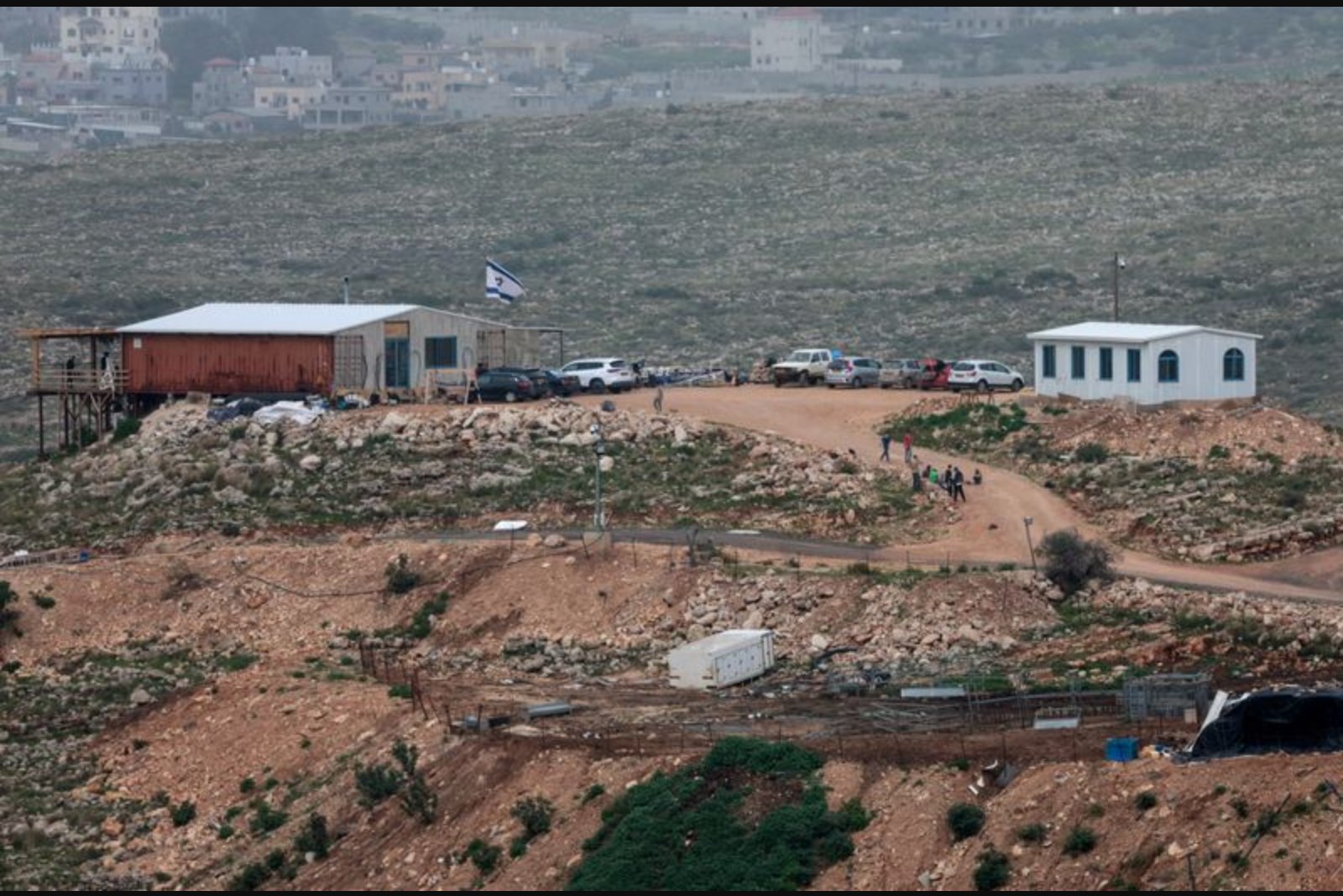
Diplomatic pressure mounted from Saudi Arabia, Jordan and the United Arab Emirates on Monday after Israel’s security cabinet adopted measures that, according to senior Israeli ministers, will ease settlement expansion and broaden Israeli powers across the West Bank. A joint statement from foreign ministers of several Middle Eastern and other Muslim countries, including Egypt and Turkey, described the moves as violations of international law that would undercut the viability of a two-state solution and threaten regional stability.
Decisions announced
Israeli Defence Minister Israel Katz and Finance Minister Bezalel Smotrich, both members of the government’s five-person security cabinet, issued a joint summary explaining the decisions. The full text of the security cabinet’s rulings was not published.
The ministers said the cabinet resolved to repeal a pre-1967 law from the period of Jordanian administration that had kept land registries confidential. The repeal will make those registries public, and the cabinet also removed a requirement that had obliged potential buyers to secure a permit from a civil administration office. Officials said the changes would simplify the process for Jewish settlers to purchase land in the West Bank.
In addition, the cabinet voted to increase monitoring and enforcement over a range of offences - including water violations, damage to archaeological sites and environmental hazards - in Areas A and B of the West Bank. Under the Oslo interim accords, Area A is under Palestinian security control and Area B is under joint Israeli-Palestinian control; most of the territory is classed as Area C under full Israeli security control.
International and regional reaction
A coordinated joint statement from foreign ministers representing Arab and several Muslim-majority states condemned the Israeli measures as contraventions of international law. The statement said the decisions would entrench Israeli settlement activity in the West Bank, displace Palestinian residents and effectively impose unlawful Israeli sovereignty over occupied territory. Egypt and Turkey were included among the signatories.
Saudi Arabia, Jordan and the United Arab Emirates were among the leading regional critics to publicly denounce the security cabinet’s actions. Jordan, Egypt, the United Arab Emirates and Turkey maintain diplomatic ties with Israel; Saudi Arabia has said it will not normalise relations until a Palestinian state is established.
Domestic voices and legal concerns
Hagit Ofran of the Israeli settlement watchdog group Peace Now said the cabinet’s decision violated international law and amounted to a step toward annexation of the West Bank. Ofran argued that by allowing Israelis unrestricted rights to buy West Bank land without government oversight or inspection, the move normalises settlement activity as if the territory were part of Israel rather than occupied land.
"The decision to allow every Israeli the right to buy land in the West Bank without government approval, without inspection, is also another way of saying it’s normal life. It’s not occupied territories, it’s like part of Israel," Ofran said.
Potential practical effects cited by critics
Peace Now warned that the broadened enforcement authorities could permit the Israeli military to carry out demolitions of Palestinian property and to block Palestinian development not only in Area C but across Areas A and B as well. The group described these outcomes as examples of how the cabinet decisions might be applied to reduce Palestinian control and increase settlement entrenchment.
Local response in Hebron
In Hebron, a city in the southern West Bank known for its archaeological sites and for the presence of an Israeli settler community, Palestinian residents expressed alarm. Issa Amr, head of a Hebron organisation called Youth Against Settlements, said the decisions would make it easier to seize land, expand settlements more quickly and demolish Palestinian homes.
"It becomes easier to confiscate land, easier and faster to expand settlements and easier to demolish Palestinian homes," Amr said.
United States position
The article noted that U.S. President Donald Trump has previously stated opposition to Israeli annexation of West Bank territory. Last year, Trump was quoted saying he would not allow Israel to carry out annexation, and he indicated in September that annexation "is not going to happen." The same reporting referenced an expected visit by Israeli Prime Minister Benjamin Netanyahu to the White House for a meeting on Wednesday.
What the measures change and what remains unclear
The cabinet’s repeal of the confidentiality rule for land registries and the removal of the permit requirement are administrative steps that, according to the ministers who announced them, streamline land transactions for Jewish settlers. The reported expansion of enforcement actions into Areas A and B was framed as a public safety and preservation measure by the announcing ministers, but critics contend those authorities could be used to frustrate Palestinian development and to permit property demolitions beyond the areas where Israel already has full security control.
The security cabinet’s decisions were summarised by the announcing ministers but the full, detailed text of the rulings has not been released publicly, leaving questions about the precise legal mechanisms and safeguards involved.
Reporting noted strong regional condemnation and warnings from Israeli civil society that the moves represent a shift toward formalising Israeli control over parts of the occupied West Bank.