
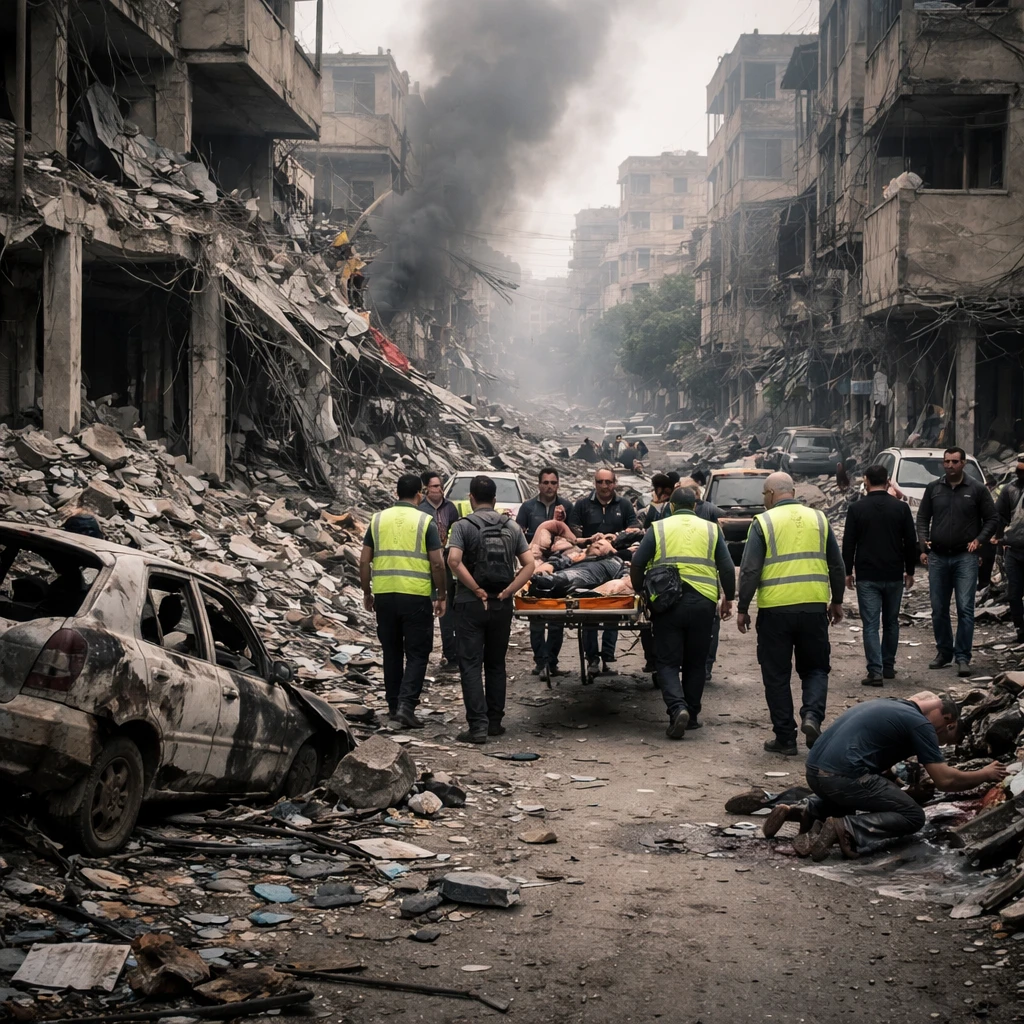
An Israeli strike in the northern Gaza Strip on Thursday resulted in the deaths of two Palestinians, Gaza health officials reported, and medics said the attack occurred in the Tuffah neighbourhood of Gaza City, where several others were also wounded.
The Israeli military had not immediately commented on the Tuffah report, according to the available accounts. In a separate statement, the military said forces operating in the southern Gaza Strip killed a militant who had crossed into an area that remains under Israeli control inside the enclave and who, the military said, posed an imminent threat to its personnel. The military characterised that incident as a violation of the U.S.-brokered ceasefire between Israel and Hamas that took effect last October.
Both accounts underscore the fragility of the truce and the continued danger along different parts of the front lines. Gaza’s health ministry counts more than 72,000 people, mainly civilians, as having been killed by Israeli fire since the conflict began last October. The ministry also reports that at least 460 people have been killed by Israeli fire since the ceasefire agreement went into effect last October.
Israeli tallies note that 1,200 people were killed in the initial Hamas attack on southern Israel on October 7, 2023. Since the ceasefire began, Israel has reported that four soldiers have been killed by militants in Gaza. Both sides have traded blame for violations of the truce.
The ceasefire arrangement entered a new phase in January. Under that second phase, Israel is expected to withdraw additional troops from Gaza, while Hamas is due to yield control of the territory's administration. The most recent fatalities and the Israeli military's description of the southern incident as a ceasefire breach highlight persistent discord over the terms and execution of that transition.
The reports from Gaza health officials, medics and the Israeli military present parallel narratives of violence that together illustrate the ongoing volatility inside the enclave. The northern airstrike and the southern clash occurred in separate areas and were described differently by the respective parties involved - one reported by medics and health authorities, the other by military forces who framed their actions as a response to an immediate threat.
Humanitarian and security conditions on the ground remain severely strained. The territory has been described as heavily damaged since the conflict's outbreak. Casualty figures cited by Gaza health authorities and casualty counts cited by Israeli sources since the imbroglio began reflect the intensity of the fighting and the challenges facing enforcement of the truce.
Until the parties resolve outstanding issues around troop withdrawals and administrative control under the second phase, episodes like these are likely to continue testing the ceasefire. The most recent incidents show how quickly localized confrontations can escalate into events both sides characterise as violations of the agreement they are nominally observing.