
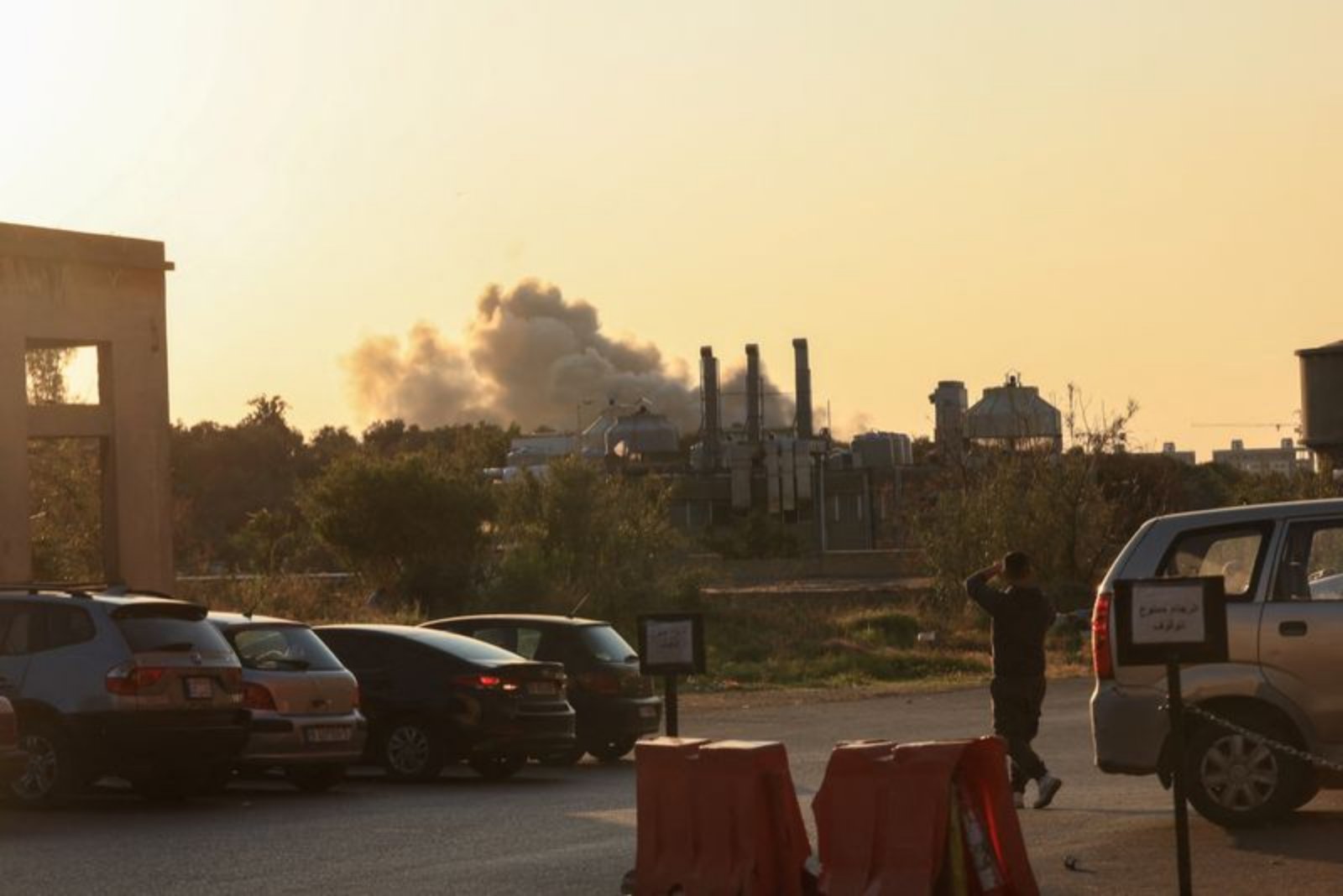
Israeli air operations struck the southern suburbs of Beirut on Tuesday, sending towering plumes of smoke into the sky, while Israeli ground forces continued to advance deeper into Lebanon's south, officials and local sources said.
The violence follows an escalation last week when Iran-backed Hezbollah opened fire on Israel, according to the available account, in a bid to avenge the killing of Iran's supreme leader. Since then, Israel has conducted air strikes across southern and eastern Lebanon as well as in the outskirts of Beirut.
Lebanon's health ministry reports that nearly 500 people have been killed in the strikes so far, including more than 80 children. Authorities say the violence has forced large numbers of civilians from their homes - nearly 700,000 people have been displaced to date, and officials expect that figure could rise.
On Tuesday afternoon, strikes on Beirut's southern suburbs were preceded by an order from an Israeli military spokesperson for residents to leave immediately. The warning identified three additional districts to be evacuated. Municipal council members in the area described families fleeing those neighborhoods, adding to the growing tally of displaced people.
Lebanon's Minister of Social Affairs, Haneen Sayed, said the state is preparing for displacement numbers that may exceed those recorded during the 2024 conflict between Israel and Hezbollah, when more than a million people were forced from their homes. She warned that the capacity to respond is diminished this year, noting that overall resources are scarcer given the broader regional conflict and global constraints.
"So we expect that the needs, the numbers of displacement, will be higher than in 2024. Now on the other side in terms of resources, there's far less resources this year given the global situation, the regional war that's happening," Sayed said as she spoke at Beirut's airport. At the same location, the European Union was delivering 45 tons of emergency supplies, including medical kits and blankets.
Lebanese security sources reported further Israeli advances on Tuesday in towns in southeastern Lebanon, including movements of armoured columns. The dynamics of the campaign have amplified concerns inside Lebanon about both civilian safety and the strain on public services.
President Joseph Aoun of Lebanon had indicated a willingness to enter direct talks with Israel to seek an end to the fighting. But Israel's ambassador to France, Joshua Zarka, said that statements alone are insufficient to halt the war. He said that - as he framed it - what would end the conflict is the disarmament of Hezbollah, and that such a decision rests with the Lebanese government.
"At this stage, I'm not aware of any decision to enter negotiations to end this war," Zarka said. "What would end it is the disarmament of Hezbollah - and that is a choice for the Lebanese government." He added that while the Lebanese government is issuing "very good statements," it must follow those with concrete actions.
Last year, Lebanon's government announced plans to establish a state monopoly on arms and confiscated a portion of Hezbollah's weapons caches in the country's south without facing objections from the group. However, Hezbollah has declined to disarm completely, and Lebanese authorities have been wary that attempting to seize the group's weapons by force could spark a domestic conflict.
Humanitarian response and capacity
Officials and aid workers are confronting a growing humanitarian challenge as displacement mounts and resources dwindle. The delivery of 45 tons of emergency aid by the European Union to Beirut's airport provides some immediate relief in the form of medical supplies and blankets, but ministers say broader international support will be required to address the increasing needs.
Diplomatic posture and conditions for peace
While Lebanon's president has signalled openness to direct negotiations with Israel, Israeli diplomatic officials maintain that disarming Hezbollah is the central condition for ending hostilities. Lebanese leaders face the difficult choice of how to respond to that demand without provoking a new internal conflict.
For now, civilian displacement, casualties and military movements continue to shape daily life in southern Lebanon and the outskirts of Beirut, while humanitarian agencies and governments scramble to provide emergency assistance.