
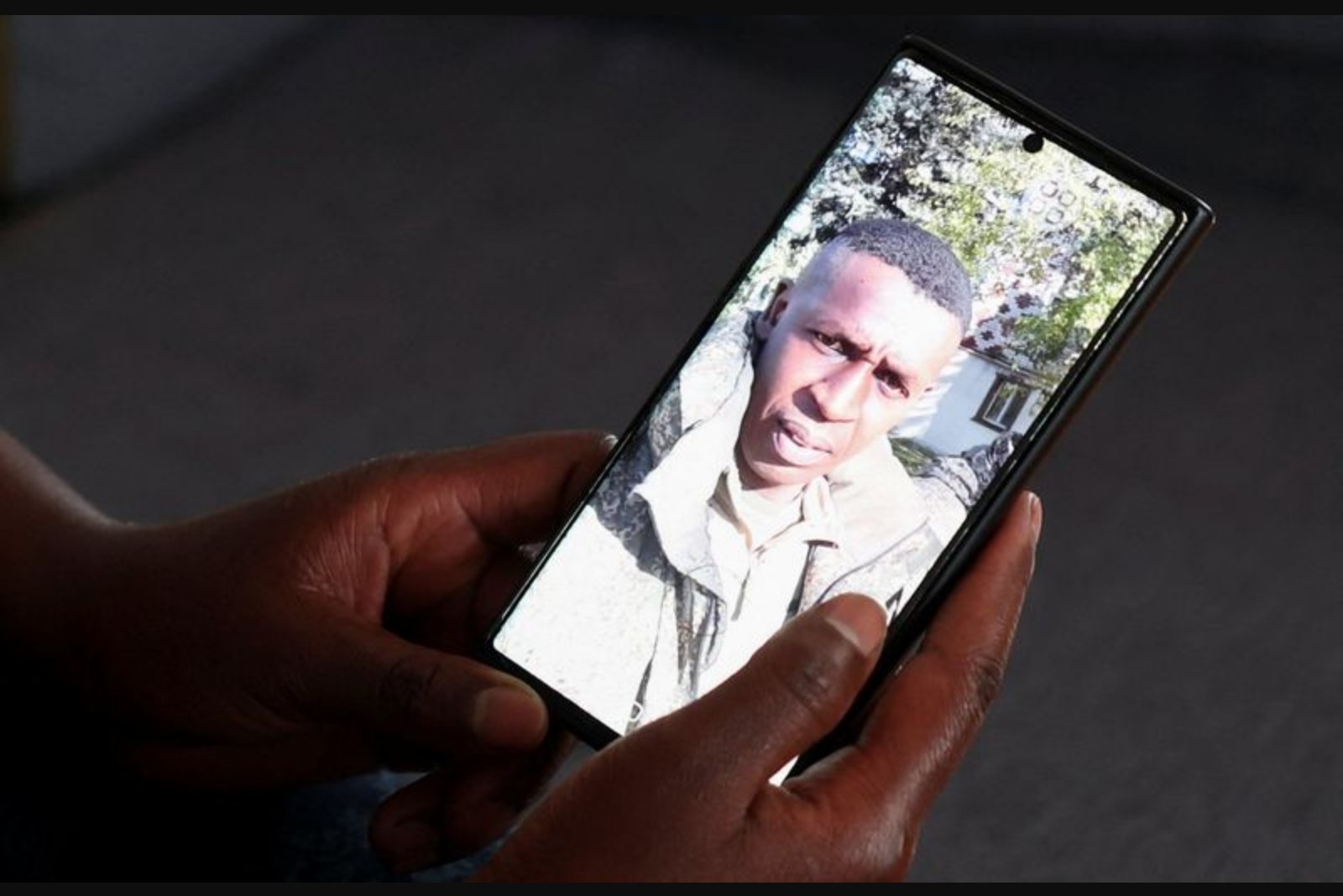
Pressure is building in several African capitals after recent revelations that networks have been recruiting citizens to serve in Russia's forces, often by offering apparently legitimate civilian employment opportunities. In response, Kenya's foreign minister is travelling to Russia this week to press Moscow to halt the enlistment of Kenyans - a move driven in part by demands from affected families seeking help to bring recruits home. Yet governments across the continent appear to be pursuing restrained diplomacy rather than an openly confrontational approach.
Musalia Mudavadi, Kenya's minister for foreign affairs, told reporters ahead of his trip that Nairobi had received mounting appeals from families of those recruited and that the government wanted the practice to stop. "We want Kenyans stopped - they should not be enlisted at all," he said. At the same time, Mudavadi emphasised a pragmatic posture, describing Russia as a superpower with a long-standing bilateral relationship with Kenya and saying the conversations would not be framed as a confrontation. "This is about speaking to issues as they are and the distress that they’re causing to the Kenyan people, and we need a joint effort to be able to resolve it," he said.
Russian officials have not provided comment in response to requests made outside usual business hours. A statement issued on March 12 by Russian Foreign Ministry spokeswoman Maria Zakharova said that Foreign Minister Sergei Lavrov would discuss with Mudavadi the "state and prospects for the development of traditionally friendly Russian-Kenyan relations", explicitly noting economic and trade partnerships as agenda items.
Across Africa, accounts of recruitment have focused attention on networks that reportedly used intermediaries and promises of well-paid civilian jobs to channel people into military service. Ukraine has said more than 1,700 Africans are fighting on the Russian side, while analysts cited in reporting on the issue have suggested the true figure could be higher. A report from Kenya's intelligence agency indicated that more than 1,000 Kenyans alone had been recruited, though Mudavadi said he could not provide a precise tally.
Ghanaian officials have also raised alarms. In February, Ghana stated that more than 50 of its nationals had been killed after being, in the country's words, "lured into battle". Ghana's foreign minister, Samuel Okudzeto Ablakwa, told officials that the real number might exceed the reported figure. He reaffirmed that Ghana will keep diplomatic relations with Russia intact, but he stressed that Accra would take a firm stance if its citizens were being harmed, deceived, or drawn into conflict without their understanding. "Where Ghanaian citizens are being harmed, deceived, or drawn into a war they did not understand, we will speak plainly and we will act," Ablakwa said.
South Africa, which has been identified as one of the states from which dozens of citizens were recruited, has adopted a notably cautious line. Zane Dangor, director general of South Africa's foreign affairs department, said Pretoria was investigating the circumstances under which people departed and would determine whether the mercenary group Wagner had been involved. He noted that Wagner had previously been active in parts of Africa and was succeeded in some theatres by an entity described as the Kremlin-controlled Africa Corps. Dangor added that current evidence had not pointed conclusively to involvement by the Russian state.
Civil society researchers have sought to verify and quantify recruitment. Inpact, a Geneva-based organisation, reported that it had validated several lists of recruits, including one that contained 1,417 names from across the continent. The organisation's February report identified Cameroon, Egypt and Ghana among the countries with the highest numbers of recruits. Inpact characterised the recruitment as central to a calculated effort to field waves of soldiers intended to saturate Ukrainian defensive positions.
Lou Osborn, a member of Inpact, said the organisation believed available figures understate the scale of recruitment. "We think we are just scratching the surface with these numbers," Osborn said, and added that more than 40 families had reached out to Inpact since its report, corroborating the recruitment methods outlined in the investigation.
Officials from Ghana have sought a coordinated response. Ablakwa said he was engaging other African governments to address the matter on a continental basis. "This is bigger than Ghana," he said, framing the problem as a regional challenge that transcends any single country's borders.
Analysts warning about potential political fallout have suggested that relations between Russia and African nations may remain broadly intact unless and until there is significant domestic backlash. Pier Pigou, a senior consultant at the International Crisis Group, argued that many observers are likely to interpret the situation through an economic lens - seeing recruits as people pursuing income opportunities in the absence of adequate domestic job prospects. He said that only a substantial political reaction at home would prompt a harsher diplomatic rupture.
For now, African governments are balancing competing imperatives: responding to constituent pressure from families of those recruited and preserving broader bilateral ties with Russia. That balance is being struck amid continued investigations by national authorities and civil society organisations seeking to establish the full scope of recruitment and the mechanisms that enabled it. Officials say they will continue to weigh available evidence as they pursue diplomatic and investigative avenues.
Key points
- Kenya's foreign minister is visiting Russia to press for an end to recruitment of Kenyans into Russian forces amid pressure from affected families.
- Reports and investigations indicate hundreds to over a thousand Africans, including more than 1,000 Kenyans per a Kenyan intelligence report, have been recruited; Inpact verified a list of 1,417 recruits from across Africa.
- Most African governments are pursuing cautious diplomatic approaches, balancing constituent concerns with broader relations with Russia while investigations continue.
Risks and uncertainties
- Unclear scale and completeness of verified recruitment data - investigators say current numbers may understate the true extent, creating uncertainty for policy responses and repatriation efforts. This affects government resources and consular services.
- Potential political backlash at the domestic level if more families come forward or new evidence emerges - such backlash could shift diplomatic postures and strain economic or trade ties.
- Ambiguity over state involvement - while some officials say evidence does not yet point to direct Russian state recruitment, investigations into mercenary groups and intermediaries continue, leaving open legal and diplomatic complexities. This uncertainty touches defence and international relations sectors.