
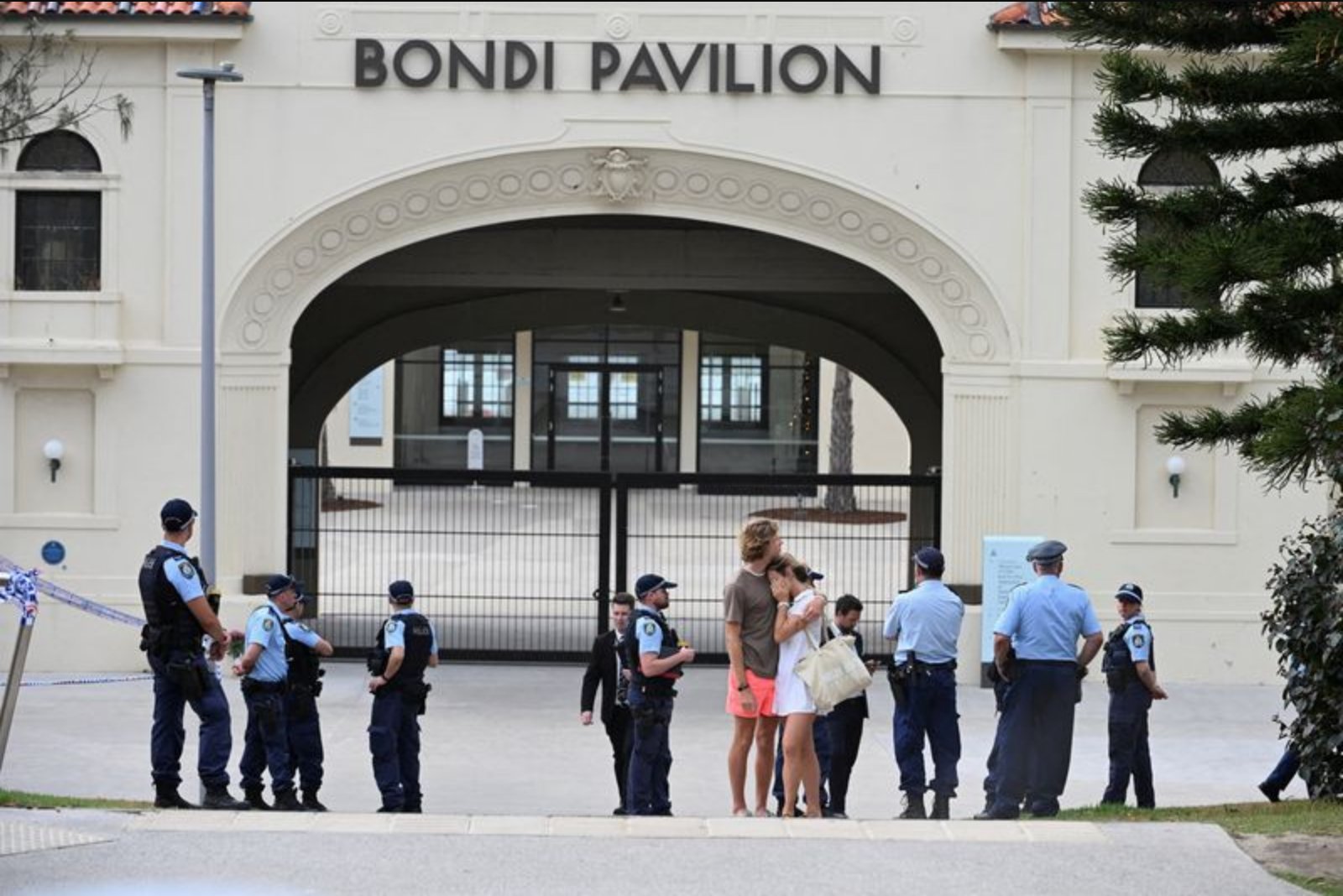
A man accused of opening fire at a Hanukkah celebration at Bondi Beach, an attack that resulted in 15 deaths, appeared in a Sydney courtroom for the first time on Monday via video link from a maximum-security prison.
The accused, 24-year-old Naveed Akram, is charged with 59 offences related to the December 14 incident. The charges include 15 counts of murder, 40 counts of wounding with intent to murder and a single terror offence. Authorities allege he carried out the mass shooting alongside his father, Sajid, 50, who was fatally shot at the scene.
During a brief status mention, Akram was shown on a video feed from Goulburn Correctional Centre, located southwest of Sydney, where he is being detained on remand. He was wearing prison greens and remained largely silent throughout the proceedings, speaking only to acknowledge that he heard a discussion about extending non-publication orders that cover details of the victims.
Outside the courtroom, defence lawyer Ben Archbold commented on his client's condition and the early stage of the case. Archbold said his client was doing "as well as he can be" given the "very onerous conditions" he is facing in custody. He also said it was premature to indicate how Akram would plead, noting that he had not yet discussed the specifics of the alleged attack with his client.
"I haven’t spoken to him about the attack in that regard," Archbold told reporters. "All that we’re doing at the moment is starting the process ... we’re waiting for the brief to be served, there’s nothing more I can say."
Archbold confirmed he had visited Akram in prison and stressed the duties of legal representation. "He’s just a client, and he’s a client that needs to be represented. And we don’t let our personal view get in the way of our professional obligations. The matter has been adjourned, I have nothing more to say," the lawyer added.
The court session was procedural in nature and lasted only briefly. No plea was entered during the appearance. The matter is expected to return to court in April, while authorities continue to prepare the prosecution brief and related legal steps, including consideration of orders that limit publication of identifying details about the victims.
Details provided at the appearance were limited to administrative and procedural matters. Further substantive hearings will depend on the exchange of materials and the scheduling of future court dates as the case moves through the legal process.