
Correction: Israeli forces depopulated and demolished Rafah during the war, not after the ceasefire.
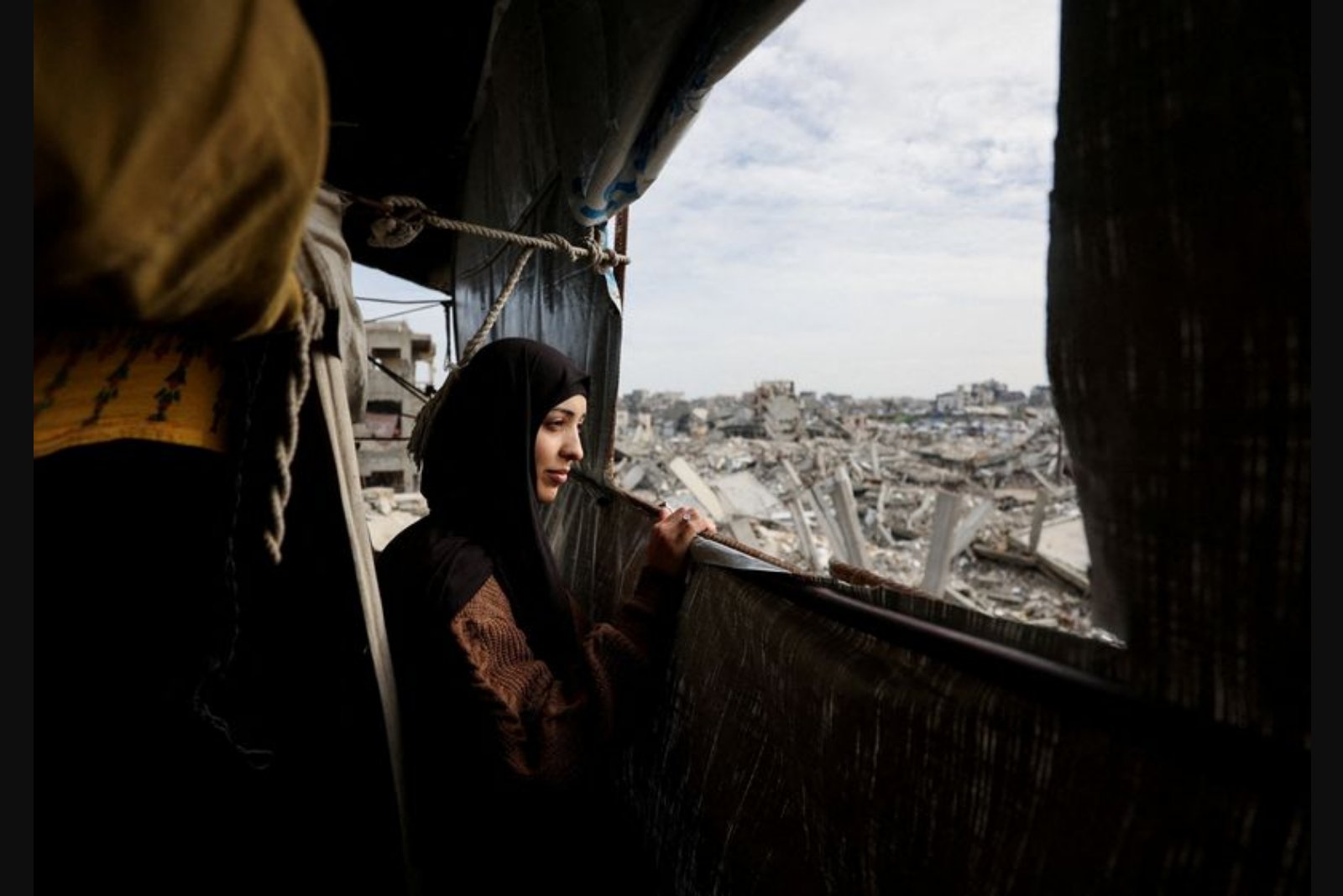
Eatedal Rayyan had awaited this reunion for almost two years - a return to Gaza and to her husband - even as she understood the enclave she once called home had been ravaged by conflict. Rayyan, 29, left Gaza in March 2024 with her mother and three children after suffering a serious leg injury that doctors warned could require amputation if untreated. She spent months receiving care in Egypt and regained the ability to walk before setting out to rejoin her family.
On a chilly Thursday, Rayyan, her mother and the children - Hanan, 8; Ezz, 5; and Mohammad, 4 - packed blankets and winter clothing in the Egyptian town of Al-Arish, where thousands of displaced Palestinians have been sheltering. Their excitement was visible in small gestures: Hanan tied a bow in her hair and the children chanted, "We are going to Gaza!" as they left for the border.
The Rafah crossing, which has been largely closed since the start of fighting in October 2023, reopened in a limited fashion on Monday under an international plan to ease movement. The crossing is the primary exit and entry point for nearly all of Gaza's more than 2 million residents. The arrangement, described as a key element of a plan to bring an end to the conflict, envisaged roughly 50 people moving in each direction daily - a figure that has not been met in practice.
Returnees must pass through three separate checkpoints before boarding a bus from Rafah to Gaza - one manned by Egyptian authorities, another overseen by Palestinian and European officials, and a final security screening conducted by Israeli forces. From Rafah they travel to cities such as Khan Younis in territory controlled by Hamas.
When Reuters accompanied Rayyan's group from Al-Arish, their journey to Khan Younis took them through those layers of processing. It was nearly midnight when the family reached their destination and Ahmed, Rayyan's husband, was waiting. The reunion was long and emotional - kisses, hugs and a child clinging to a father's leg - but the relief of reunion quickly gave way to the shock of what remained in Gaza.
"No building is standing," Rayyan said after seeing the enclave she had left. "Everything is destroyed, destroyed. There is no electricity, or anything." The family had previously lived in a large house in Al-Saftawi, a district near Gaza City in the north, which Ahmed said was destroyed in the war. The couple now plan to live together in a tent within a Gaza City encampment. Ahmed said he had managed to find three mattresses for five people to share.
The Rafah crossing itself was once part of a densely populated urban area that, according to officials, was depopulated and demolished by Israeli forces during the war. The limited reopening on Monday allowed small numbers to cross; on Thursday, enclave authorities reported that only 21 Palestinians re-entered Gaza, including Rayyan and her children.
Those who have returned through the crossing described difficult encounters with security personnel along the route. Several returnees said they or others traveling with them were harassed or subjected to interrogation by Israeli forces and by members of a local group they described as backed by Israel. Israeli military officials deny allegations of harassment and mistreatment.
"There were some people (who were traveling) with us, like young men, they abused them - for example, they tied their hands, blindfolded them, humiliated them, they kept interrogating them," Rayyan said of other travelers she encountered.
Many who knew Rayyan in Egypt questioned why she would choose to go back to Gaza given the destruction, shortages of food and water, widespread displacement and frequent violations of ceasefires that have resulted in hundreds of deaths. Rayyan acknowledged that life in Egypt had been comfortable and that people in host communities had been kind, but she emphasized an emotional pull toward family and homeland.
"It is true that life in Egypt was good, everyone was kind to us," she said. "But still, you long for your country, your family, your relatives, your husband, your life. Being away from home is hard. Life in Gaza is still beautiful, even though it’s been destroyed."
Context within the movement framework
The reopening of Rafah remains tightly controlled and has so far facilitated very modest flows of people back into Gaza. Authorities overseeing the enclave reported only a few dozen returns on days when higher numbers had been projected. The constrained movement is unfolding against a backdrop of extensive physical destruction, a severe disruption of electricity and utilities, and an uncertain security environment for civilians choosing to return.
The experiences of Rayyan and her family encapsulate the dilemmas facing many displaced Palestinians: weighing the relative security and services available in host countries against the pull of family, property and identity in a homeland that has been profoundly damaged.
What remained unclear or limited
- The accounts of harassment have been reported by returnees, and Israeli officials have denied those claims.
- Numbers crossing in either direction remain far below the initial expectations tied to the reopening plan.
- Detailed information on the long-term living arrangements, services, and infrastructure restoration plans for returnees was not available in the accounts provided by the family.