
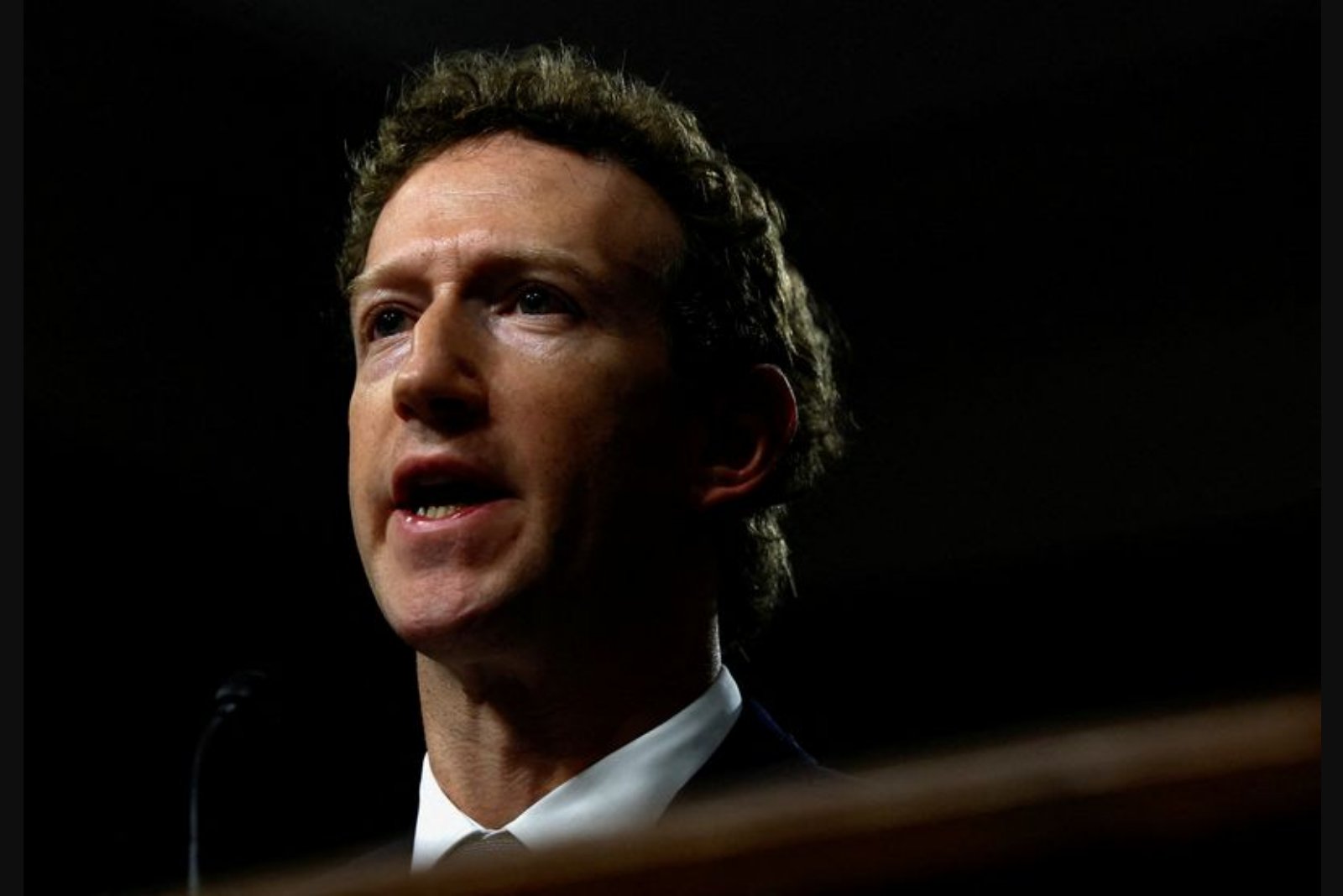
Mark Zuckerberg, chief executive of Meta Platforms and the founder of Facebook, is due to be questioned in a U.S. courtroom on Wednesday about Instagram’s impact on the mental health of young users, officials said as the trial continues in Los Angeles, California.
While Zuckerberg has previously answered questions on similar topics during Congressional testimony, the current venue - a jury trial - raises distinct stakes. If the plaintiff prevails, Meta could face damages, and observers say the verdict could weaken a long-standing legal defense relied upon by large technology companies in suits alleging user harm.
The litigation is part of a broader backlash against social media companies over concerns about children’s mental health. The article at trial notes that a number of jurisdictions have moved to restrict youth access to social networks: Australia and Spain have barred users under age 16 from accessing platforms, and Florida has passed a law preventing companies from allowing users under age 14, with industry trade groups challenging that law in court.
The suit heard in Los Angeles was filed by a California woman who states she began using Instagram, owned by Meta, and YouTube, owned by Google, when she was a child. She asserts the companies sought to boost profits by designing services that would hook young users, despite understanding that social media use could harm mental health. She alleges Instagram and other apps contributed to her depression and suicidal ideation and is pursuing legal liability against the companies.
Meta and Google have denied the allegations and pointed jurors to efforts the companies say they have taken to protect users. Meta has highlighted a National Academies of Sciences finding referenced at trial that the research does not show social media causes changes in children’s mental health.
The case is being treated as a test for a larger set of lawsuits brought against Meta, Alphabet’s Google, Snap and TikTok. Across the United States, families, school districts and state governments have filed thousands of suits claiming that social media companies have contributed to a youth mental health crisis.
Zuckerberg’s questioning is expected to focus on Meta’s internal research and company discussions regarding how Instagram affects younger users. Last week, Adam Mosseri, head of Instagram, testified that he was not aware of a recent Meta study introduced at trial which found no link between parental supervision and teens’ self-reported attentiveness to their social media use. The study document shown in court also indicated that teens experiencing difficult life circumstances reported more habitual or unintentional Instagram use.
At trial, Meta’s attorney told jurors that the plaintiff’s medical records attribute her mental health struggles to a troubled childhood and that social media had served as a creative outlet for her.
Separately, the trial coverage included a promotional segment asking whether GOOGL is a bargain and referencing a Fair Value calculator that uses a blend of valuation models to evaluate stocks, including GOOGL.