
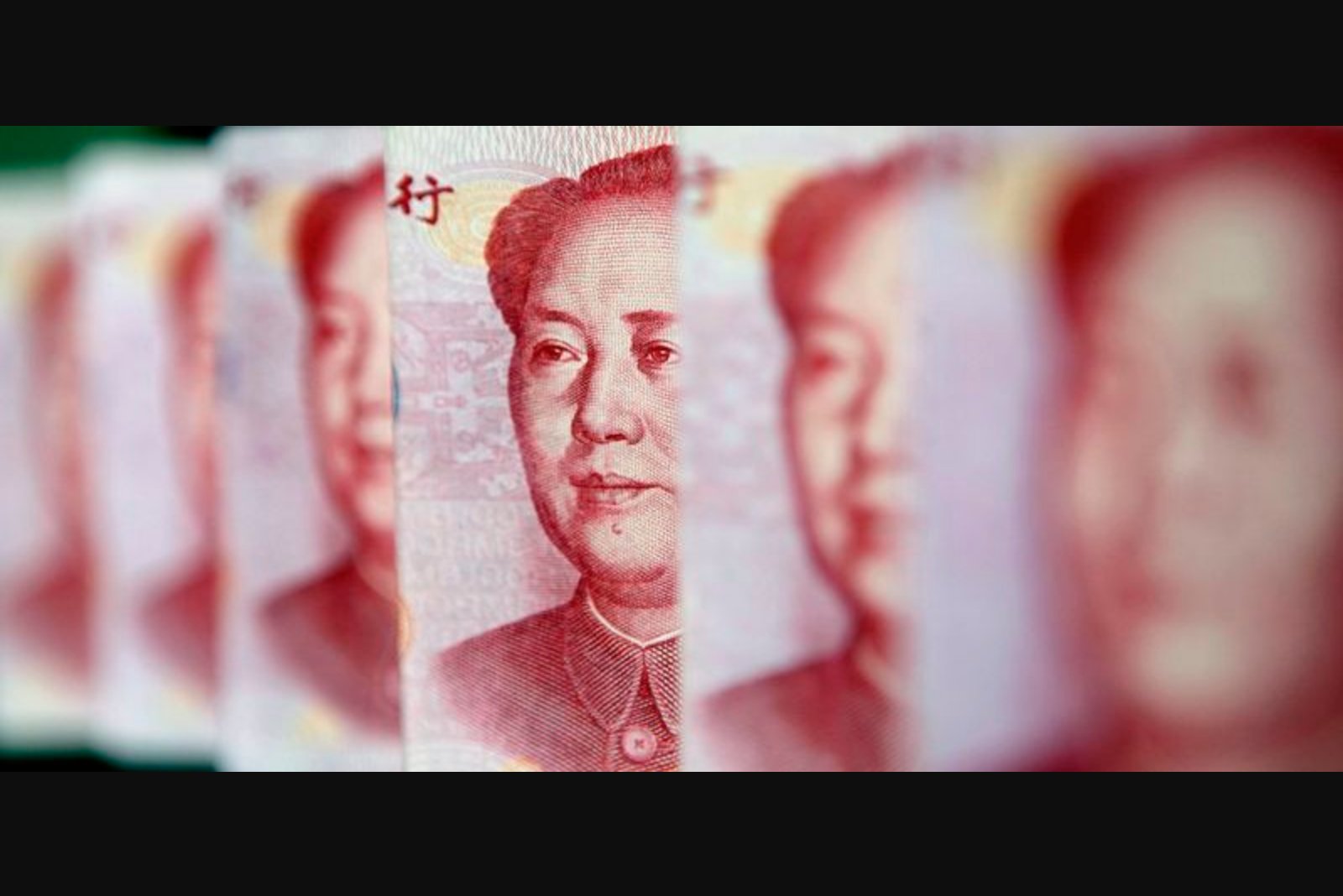
SHANGHAI, March 6 - The Chinese yuan ticked higher against the dollar on Friday but was on track to end a record run of weekly gains as the US dollar strengthened amid fallout from the expanding Middle East conflict. At the same time, a recent central bank step affecting forward contracts appeared to have prodded firms to seek dollars through derivatives markets.
By 0400 GMT the onshore yuan was quoted at 6.9005 per dollar, up 0.17% from the previous close. If the currency closed the late session at the midday level, it would record a 0.54% weekly loss against the dollar, which would interrupt a 13-week advance - the longest streak since 2012 - and mark the largest weekly drop since February 2025. The offshore yuan traded at 6.9041 per dollar at the same time.
Market participants flagged two policy and market moves as immediate influences. The People’s Bank of China removed the foreign exchange risk reserves requirement for forward contracts, a decision that market participants said encouraged corporate demand for dollars in the derivatives market. Separately, a broadly firmer US dollar, driven in part by developments in the Middle East, has trimmed some of the recent appreciation momentum in the yuan.
"In a vacuum, the stronger dollar should help soften some of the recent yuan appreciation momentum," said Lynn Song, chief economist for Greater China at ING.
Before trading began on Friday, the central bank set the daily midpoint rate at 6.9025 per dollar. That midpoint was 27 pips weaker than an estimate of 6.8998. The onshore spot rate is permitted to trade within a 2% band either side of that fixed midpoint each day.
Despite the immediate headwinds, several analysts still expect the currency to strengthen over the mid- to long-term. Maybank analysts highlighted three conditions that could push USD/CNY lower, particularly in the first half of 2026: continued export growth, an increase in tourist arrivals, and sustained equity-related capital inflows. Their assessment stressed the outsized role of equity flows, noting that the third factor "continues to play a decisive role in driving the yuan higher given its stronger correlation with the yuan."
A poll conducted this week showed respondents remaining firmly bullish on the yuan relative to other emerging Asian currencies, even as concerns over the economic impact of higher energy prices tied to the Middle East conflict persist.
Looking ahead, market attention is focused on a press conference tied to the economy scheduled on the sidelines of the annual parliament session later in the day, where China’s senior economic and financial officials are due to speak. The National People’s Congress opened on Thursday. Beijing has set a 2026 economic growth target of 4.5% to 5%, a modest downgrade from the 5% pace achieved last year, a shift that market observers say leaves scope for additional rebalancing measures.
Summary of near-term drivers and monitoring points:
- Short-term pressure on the yuan from a firmer US dollar related to the Middle East conflict.
- Increased corporate dollar demand in derivatives after the central bank removed FX risk reserves for forwards.
- Upcoming comments from top economic and financial officials at the annual parliament session, and the 2026 growth target of 4.5% to 5%, as key signals for policy direction.