
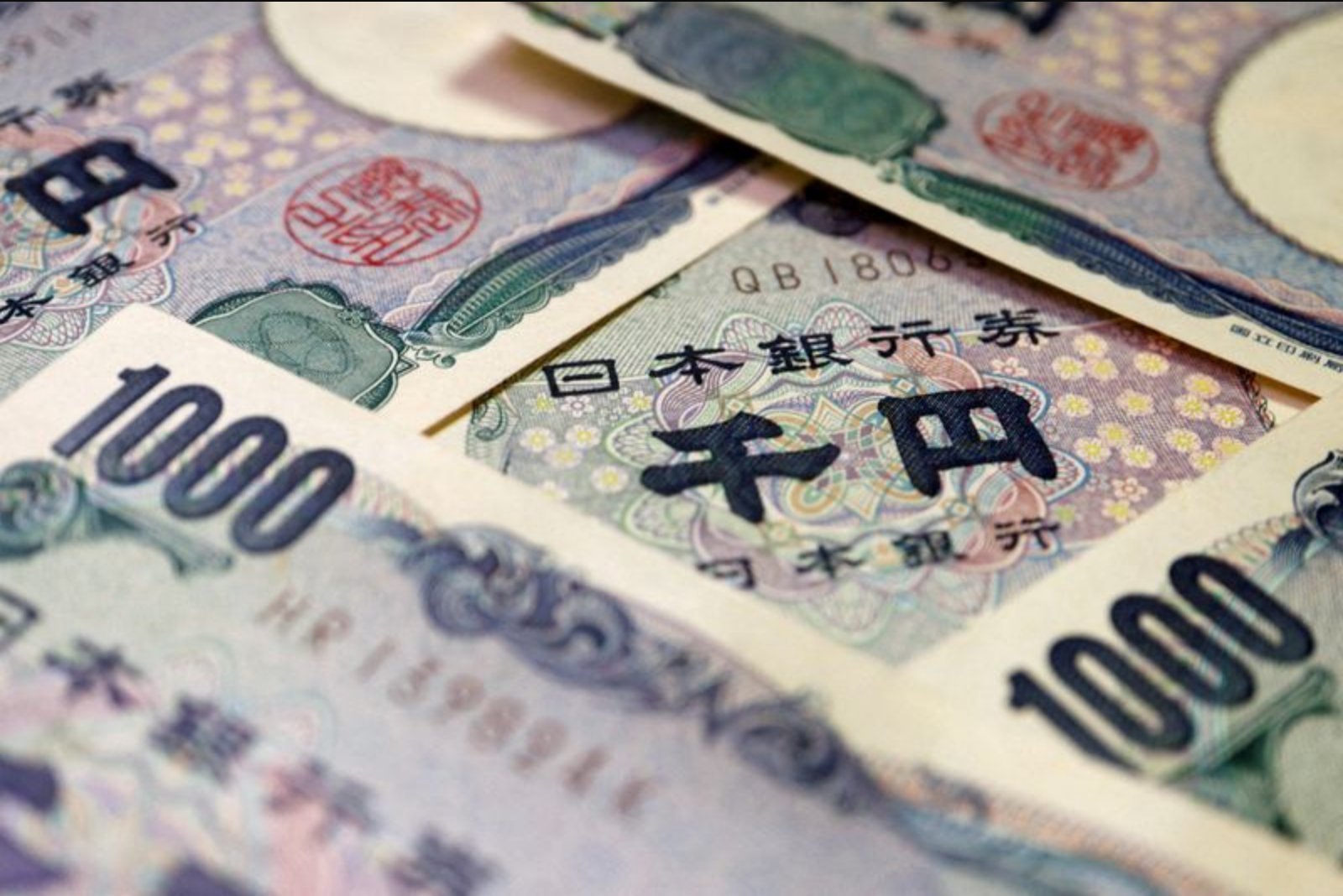
SINGAPORE, Feb 13 - The yen was tracking toward its best weekly performance in nearly 15 months on Friday after a steady climb that followed Japanese Prime Minister Sanae Takaichi's election victory, which appeared to ease investor anxieties about the country's fiscal outlook.
Trading at 152.86 per dollar and last reported steady, the yen was set to gain almost 3% for the week. If realized, that would be its largest weekly rise since November 2024. The currency's advance was not limited to the dollar - it was similarly on course for a 2.3% weekly gain against the euro and about a 2.8% rise versus the British pound, the latter marking its biggest weekly jump since July 2024.
Market participants said the election result has changed the near-term dynamics for the yen. "The election outcome might be seen as marking an end to the political instability that has persisted since July last year, suggesting that short-yen positions have been unwound," said Hirofumi Suzuki, chief FX strategist at SMBC. "There may still be room for further yen appreciation."
Alongside the currency, Japanese equities and government bonds have moved higher since the weekend vote. Investors interpreted the outcome as a vote of confidence in what they view as Takaichi's commitment to prudent fiscal management.
"We expect her administration to be a responsible steward of fiscal policy, even while deploying targeted inflation-relief and growth measures," said Drew Edwards, head of the Usonian Japan Equity team at GMO. "This supports JGB stability and reduces yen-volatility risk."
Beyond Japan, currencies were largely rangebound as markets awaited U.S. inflation data due later in the day, data that traders say will influence expectations for the Federal Reserve's rate trajectory.
The euro was little changed at $1.1869, while sterling last bought $1.3618. The Australian dollar, which has rallied in recent weeks amid a higher-for-longer message from the Reserve Bank of Australia, was down 0.05% at $0.7088 but was positioned to end the week roughly 1% higher.
The U.S. dollar showed signs of weakness overall. Against a basket of currencies, the greenback was little changed at 96.93 but was on track for a weekly decline of about 0.8%. The currency faced pressure from broad strength in other major currencies and from a growing debate over the underlying health of the U.S. economy.
On the data front, a nightly release showed new claims for U.S. unemployment benefits fell by less than expected last week. That report followed an earlier set of figures indicating that U.S. job growth unexpectedly accelerated in January, though economists caution the headline gain may overstate labour-market strength.
"The breadth of job creation remains relatively narrow, with healthcare, social assistance and construction driving the bulk of the improvement, and benchmark revisions showed that payrolls were negative in four of the 12 months in 2025," said Blerina Uruci, chief U.S. economist at T. Rowe Price, who urged caution against taking "too much comfort" from the payrolls print.
Market pricing currently reflects expectations for roughly two Federal Reserve rate cuts this year, with the first reduction anticipated around June. Currency strategists say this profile helps explain the dollar's softer tone absent any surprising inflation prints.
"Unless we see big surprises in the (inflation) data, I think markets will be pretty happy with what they’re currently pricing," said Carol Kong, a currency strategist at Commonwealth Bank of Australia. "We think that the dollar could probably continue to consolidate in the near term."
In summary, the yen's sudden recovery this week has become the central story in foreign exchange markets, supported by investor reaction to Japan's election outcome and by improving sentiment toward Japanese assets. Broader currency moves are being held in check as market participants focus on U.S. inflation data and its implications for future Fed policy.