
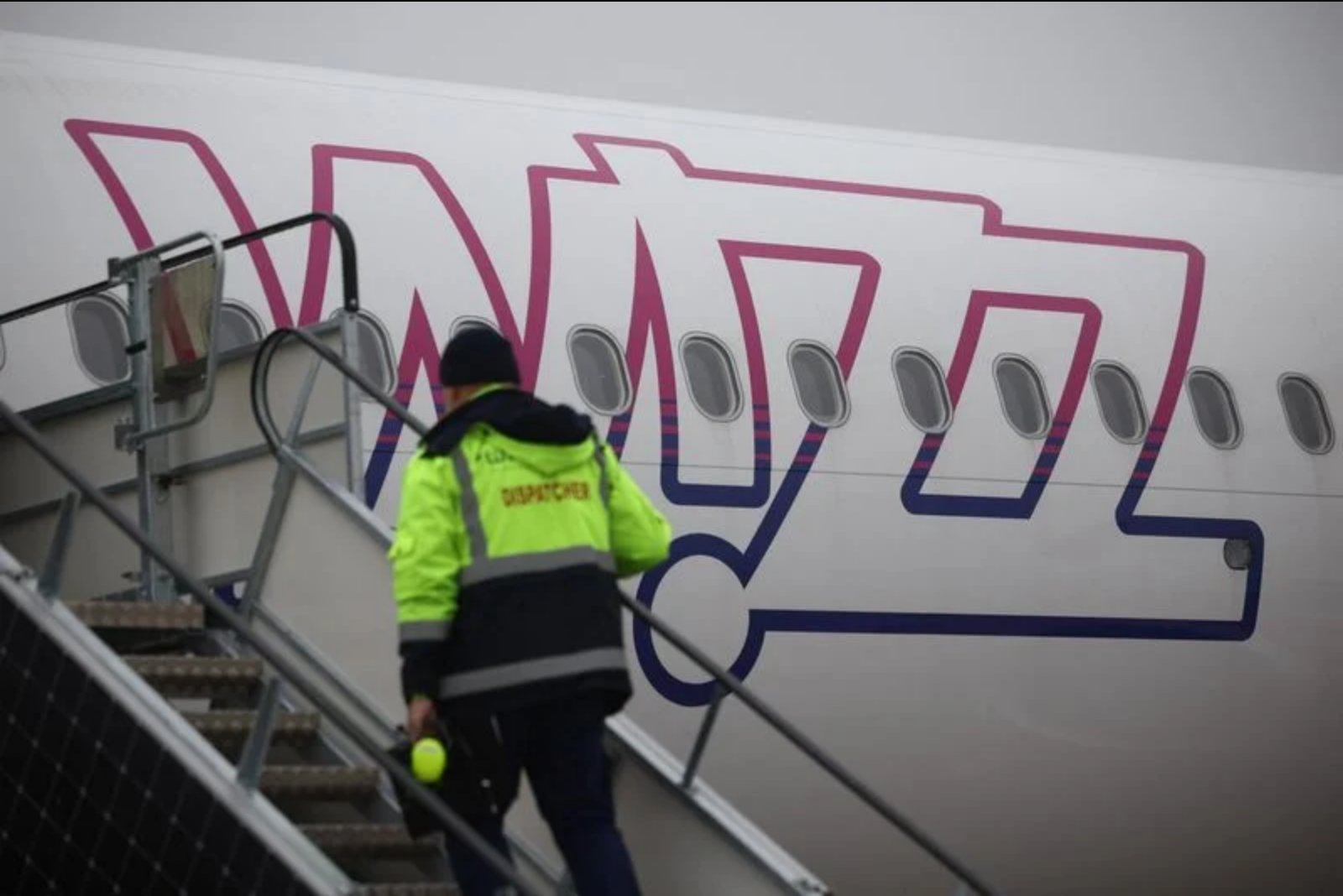
June 8 - Wizz Air said on Monday that it plans to offer Starlink satellite internet across its fleet from next year, making it the first European ultra-low-cost carrier to announce such a roll-out. The airline did not release the financial or operational terms of its agreement with Starlink.
The timing of Wizz Air’s announcement coincides with SpaceX, the parent company of Starlink, preparing to go public this week. The carrier did not provide details on when installations will begin or how the service will be priced for passengers.
Budget rivals have previously warned that integrating Starlink on short-haul networks can present material cost challenges. Both Ryanair and EasyJet have flagged the expense of adopting Starlink technology, with Ryanair’s chief executive Michael O'Leary estimating that Starlink could cost his airline as much as $250 million a year, a figure that he said would include additional fuel costs.
Starlink, which is the largest satellite operator worldwide, has already signed in-flight connectivity deals with several American carriers including American Airlines, Southwest, United and Alaska. The technology provider has also partnered with long-haul carriers such as Singapore Airlines and Emirates, indicating a mix of short- and long-haul carrier adoption internationally.
On its financial outlook, Wizz Air said in May that it expects to break even or record slightly positive full-year earnings for the 2026 financial year that ended March 31. The airline reported passenger volumes up 26% in May and forecast strong revenue growth for the upcoming summer season, stating that its relatively lower fares are helping to offset consumer uncertainty linked to the Iran war. Wizz Air is scheduled to publish its full-year results on Thursday.
The broader commercial and operational details of Wizz Air’s Starlink rollout remain undisclosed. The company has not clarified the anticipated per-aircraft cost, passenger pricing plans for onboard Wi-Fi, or potential impacts on fuel consumption tied to additional hardware and satellite connectivity use.
Separately, the public conversation around investing in carriers continues: the article posed the question of whether an investment of $2,000 in EZJ is advisable at present, reflecting ongoing investor interest in airline equities.
Key points
- Wizz Air will deploy Starlink across its fleet from next year, becoming the first European ultra-low-cost carrier to make that commitment.
- SpaceX, Starlink’s parent, is set to go public this week, and Starlink already has in-flight agreements with several major U.S. and long-haul carriers.
- Wizz Air expects to break even or report a slightly positive full-year result for its 2026 financial year, with passenger volumes up 26% in May and strong summer revenue guidance.
Risks and uncertainties
- Commercial terms of Wizz Air’s deal with Starlink were not disclosed - this creates uncertainty for investors and operators about cost exposure and revenue sharing.
- Budget competitors have highlighted the high costs of Starlink adoption - Ryanair estimates up to $250 million a year, including extra fuel, indicating potential material impacts on airline margins.
- Consumer demand remains sensitive to geopolitical developments - Wizz Air cited consumer uncertainty linked to the Iran war, which could influence travel volumes and revenue despite lower fares.