
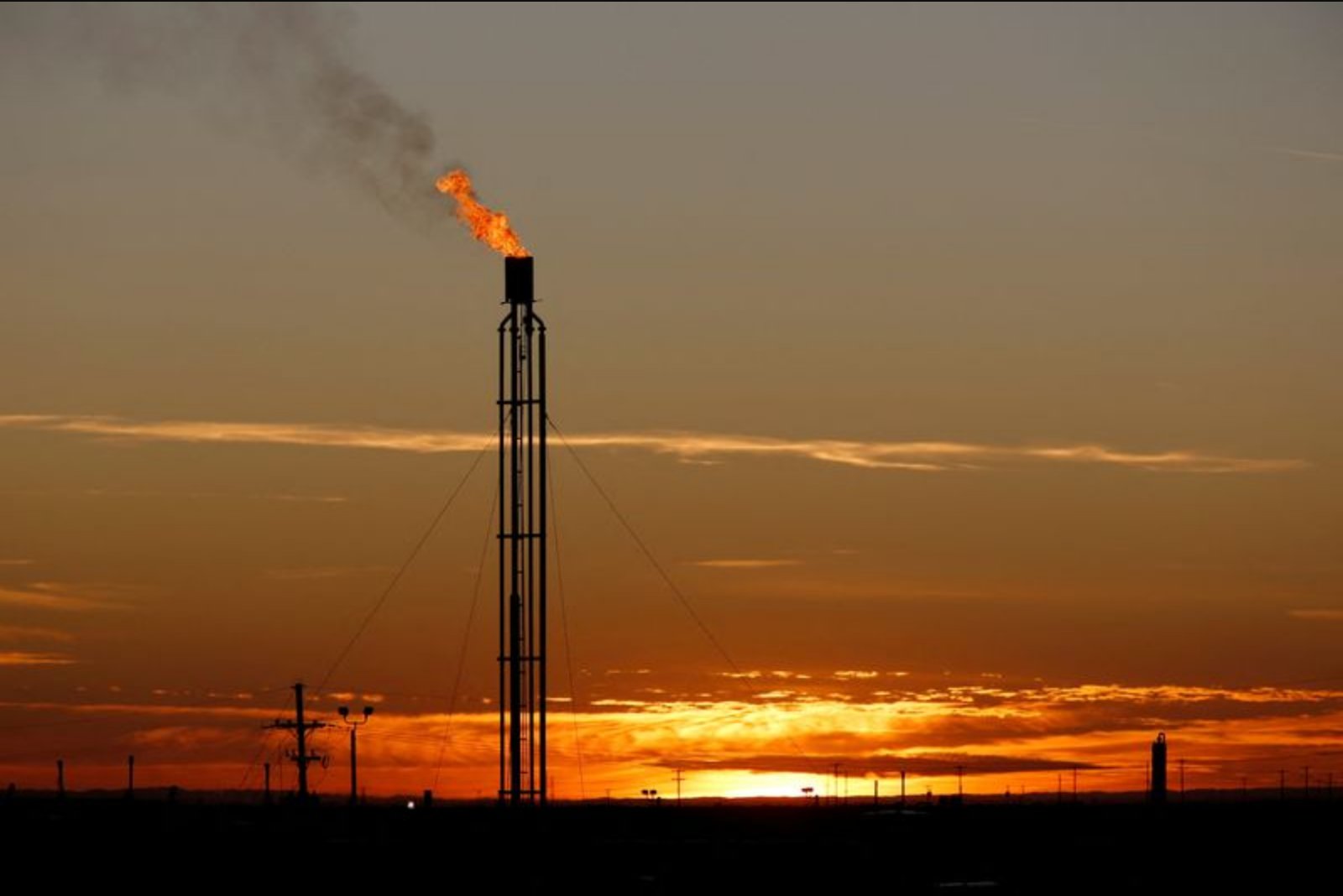
Williams Companies is evaluating the purchase of natural gas production assets in the United States, a move that would mark a notable expansion for a company historically focused on midstream infrastructure, according to people familiar with the matter.
The Tulsa, Oklahoma-based operator has spent the past year building out power generation capabilities alongside its pipeline business as it positions itself to serve customers developing artificial intelligence infrastructure. Seeking upstream production would allow Williams to market an integrated offering that spans production, transportation, storage and power delivery to hyperscalers and other large data center clients, the sources said.
Those people cautioned that the discussions are exploratory and there is no certainty the company will proceed. They discussed the deliberations on condition of anonymity because the matter remains confidential.
In a statement, Williams said it "continuously evaluates opportunities that align with and advance our natural gas-focused strategy" and declined further comment. The company is scheduled to report fourth-quarter results and host its 2026 analyst day on Tuesday.
Why the move matters
Securing reliable power and fuel has become a central challenge for hyperscalers and developers of AI infrastructure. Data centers require large, steady supplies of electricity, and growing demand is straining a grid that is seeing its first increase in demand in about two decades.
Power generators are contending with weather-related disruptions to existing capacity and with obstacles that slow the development of new projects, including local opposition and long lead times for critical power-plant components. Those dynamics have pushed some energy infrastructure firms to look for ways to own or control more of the supply chain that delivers electricity to large users.
Williams has put power generation at the core of its strategy. The company is developing the $2 billion Socrates power project in Ohio, which is expected to begin operations in the second half of this year. Meta Platforms has agreed to purchase the 440 megawatts of capacity Socrates is slated to produce.
On October 1, Williams unveiled plans for two additional Ohio power projects, named Apollo and Aquila. Those projects are supported by 10-year power purchase agreements with an unnamed counterparty. Williams expects to invest around $3.1 billion to build Apollo and Aquila, which the company plans to bring online in the first half of 2027.
Adding these generation assets to a network that includes roughly 33,000 miles of pipelines, predominantly carrying natural gas, plus associated storage, is expected by management to strengthen Williams' earnings profile over coming years. The company currently targets compounded annual growth in EBITDA of between 5% and 7%.
Analysts at UBS said in a February 4 note they will be watching closely to see whether Williams raises that target to more than 7% compounded annual growth through 2030 at the upcoming analyst day.
Context on integrated models
Historically, it was common for U.S. oil and gas companies to operate across production, storage, transportation and refining. Over time the industry shifted toward specialization, and many companies sold off divisions that did not fit their core focus. Williams, for example, spun off most of its upstream assets into WPX Energy at the start of 2012.
WPX remained independent until early 2021, when it completed a $12 billion merger with Devon Energy. Williams has retained occasional smaller production holdings, often as part of joint ventures or tied to its midstream footprint, but it has sold a number of these interests over the years.
Most recently, Williams agreed in October to sell its stake in a Haynesville shale basin joint venture with GEP Haynesville II to Japan’s JERA for total consideration of $1.5 billion.
What the proposal would change
If Williams were to acquire upstream production, it could present a single commercial counterparty to hyperscalers seeking bundled arrangements for fuel and power. That integrated pitch might reduce the number of separate negotiations and counterparties a large digital infrastructure operator must manage when securing long-term energy supply and on-site or near-site generation.
However, the sources emphasized again that any acquisition plan remains under consideration and not finalized.
Summary
Williams is exploring the purchase of U.S. natural gas production to support its broader effort to offer a one-stop energy solution to hyperscalers and data center customers. The company is expanding power generation projects, including Socrates, Apollo and Aquila in Ohio, and is due to report quarterly results and host its analyst day this week. The potential upstream move is still uncertain and under review.
Additional details and data points contained in this report
- Williams is based in Tulsa, Oklahoma.
- Socrates is a $2 billion Ohio power project expected online in the second half of this year and contracted to supply 440 megawatts to Meta Platforms.
- Apollo and Aquila are two Ohio projects announced on October 1, backed by 10-year power purchase agreements with an unnamed party and expected to cost around $3.1 billion combined, with both due online in the first half of 2027.
- Williams operates approximately 33,000 miles of pipelines carrying predominantly natural gas and has associated storage assets.
- Management's current EBITDA growth target is 5% to 7% annually; UBS analysts noted they will look for a potential increase above 7% compounded annual growth through 2030 at the analyst day.
- Williams spun off most upstream assets into WPX Energy in early 2012; WPX later merged with Devon Energy in early 2021 in a deal valued at $12 billion.
- Williams agreed in October to sell a Haynesville joint venture stake to Japan's JERA for $1.5 billion in total consideration.