
Wesfarmers, Australia's largest non-food retailer, experienced its steepest single-day share decline in more than three months after the group signalled a weaker-than-anticipated start to the second half as households face persistent high living costs. In early trade on Thursday the stock slipped as much as 6.1% to A$83.85, recording its heaviest one-day fall since late October 2025, as of 2353 GMT.
The company said consumers were tightening spending amid stubborn inflation and higher operating costs, dynamics that are weighing on household budgets and business confidence. Despite steady customer traffic across several of its divisions, these pressures have tempered the outlook for second-half sales growth.
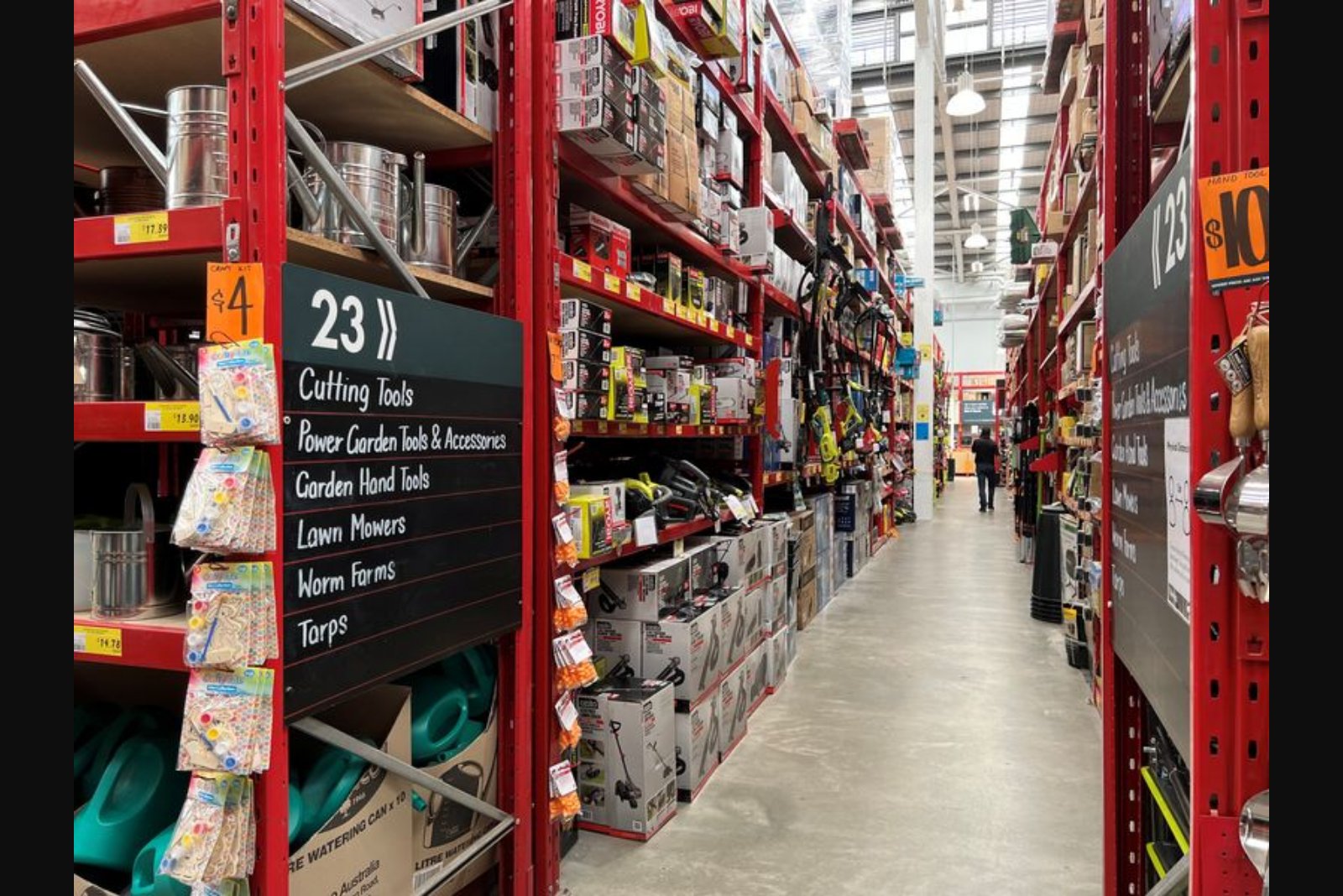
For the first six weeks of the second half, the hardware arm Bunnings was tracking growth roughly in line with its first-half increase of about 4%. Kmart, the group's budget department store chain, was running ahead of its 3.2% rise recorded in the six months to December. Even so, Wesfarmers acknowledged it had fallen short of market expectations for second-half growth at both businesses.
"Australian consumer demand remains solid, but cost-of-living pressures are being felt unevenly across the economy and impacting many households," Wesfarmers said. "The recent interest rate rise and uncertainty regarding the outlook for inflation and interest rates are affecting consumer sentiment, while higher operating expenses are weighing on business confidence and spending."
The group's divisional performance for the six months ending December 31 showed continuing profit expansion. Bunnings delivered earnings growth of 5% to A$1.39 billion, while Kmart recorded just over 6% growth to A$683 million. WesCEF, encompassing chemicals, energy, fertiliser and the Covalent Lithium business, posted an 18% increase in first-half earnings.
Wesfarmers also said it expects earnings from its lithium operations to be higher sequentially in the second half. Citi analysts commented in a note that "While earnings are ahead, the strength in lithium had been well understood by the market."
Overall, strong division-level earnings supported a first-half net profit after tax of A$1.60 billion, above the Visible Alpha consensus of A$1.56 billion and higher than A$1.47 billion in the prior year. The Perth-based conglomerate, which co-owns the Covalent lithium project in Western Australia with Chile's SQM, declared an interim dividend of 102 Australian cents per share, up from 95 Australian cents a year earlier.
Currency conversion noted in the company's release put the exchange at $1 = 1.4207 Australian dollars.
Market reaction to the update highlights the sensitivity of retail-facing and consumer-exposed holdings to household cost pressures and operating-cost inflation. Even with robust first-half earnings, the slower second-half sales trajectory prompted investors to reassess near-term expectations for the group's retail and chemicals segments.