
As the Super Bowl draws one of the year’s largest television audiences, companies selling weight-loss drugs are using the event to reach consumers directly, placing multimillion-dollar celebrity-driven advertisements in hopes of boosting demand for new oral GLP-1 treatments and telehealth services.
Novo Nordisk will run a 90-second commercial featuring comedian and Saturday Night Live regular Kenan Thompson to announce its new Wegovy pill, with music producer DJ Khaled appearing in a tongue-in-cheek spot that suggests the drug can help people with obesity much as simple aids can help with everyday tasks. Telehealth provider Ro is deploying tennis champion Serena Williams in its first Super Bowl advertisement, and Hims & Hers Health has produced a commercial voiced by rapper Common using the tagline "Rich People Live Longer."
In Hims’ spot, Common narrates scenes of affluent patients receiving a range of exotic and likely costly treatments, then contrasts that imagery with Hims’ aim to make some healthcare services more broadly accessible.
Big budgets and high visibility
The moves reflect a broader pivot in the industry toward direct-to-consumer marketing timed with the arrival of oral formulations of glucagon-like peptide-1, or GLP-1, weight-loss medications, according to industry experts and analysts cited in commentary around the ads. As injectable GLP-1s captured market attention, manufacturers and new entrants are now planning campaigns to familiarize consumers with pill versions of the drugs.
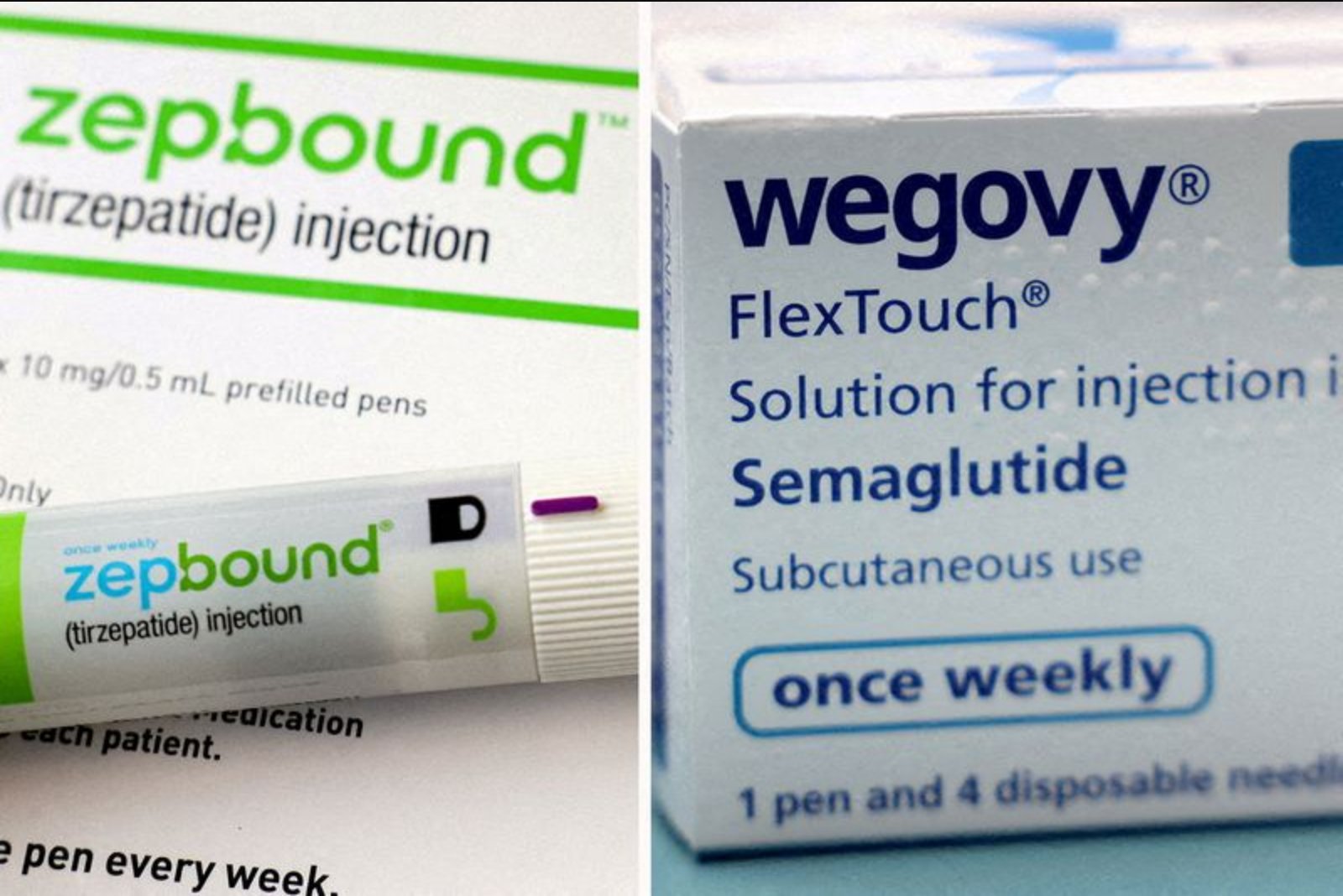
Indianapolis-based Eli Lilly is positioning its oral weight-loss candidate, Zepbound, for a likely April approval and intends to advertise during NBC’s pre-game show and on its Peacock streaming service during the game, a spokeswoman said. The company and Novo Nordisk have been competing for market share as millions of Americans have used the highly effective injectables.
Speaking to the marketing rationale, Kevin Gade, chief operating officer at investment firm Bahl & Gaynor, noted that the Super Bowl is among the few broadcast events where viewers actively seek the commercials. "The Super Bowl is one of the best channels to connect with millions of consumers," he said, adding that the event places a premium on creative, often humorous ads that can generate outsized buzz.
Ad costs for this Super Bowl have climbed to as much as $10 million for a 30-second television spot, according to advertising trade reporting cited in commentary. Nielsen projects roughly 130 million viewers for the game. NBC has said advertising inventory on its Peacock streaming service is priced at roughly half the rate of its traditional broadcast slots.
Pricing shifts and competitive approaches
Analysts and consultants see sustained high-profile advertising as part of a marketplace shift: as pricing pressure makes pills more affordable, direct-to-consumer channels could expand the customer base for weight-loss medicines.
Novo’s new Wegovy pill, which shares the active ingredient semaglutide with injectable Wegovy and Ozempic, has seen strong early demand in the U.S. and is offered on Novo’s direct-to-consumer cash-pay website at a starter price of $149. Separately, telehealth and consumer health company Hims announced plans to offer a compounded GLP-1 pill based on semaglutide starting at $49, a move that has drawn threats of legal action from Novo and scrutiny from the U.S. Food and Drug Administration, according to the reporting.
Consumer health specialist Michael Shnoe of consulting firm West Monroe said the combination of direct advertising and softer pricing could entrench high-visibility marketing as a regular tactic for companies adopting a consumer-facing sales model.
Media intelligence executive Sean Wright observed that overall pharmaceutical ad spending last year was buoyed by the weight-loss category, and that the advertising total could have fallen by as much as 5% without GLP-1-related expenditures.
Analyst commentary on advertising strategies also cited Hims’ past Super Bowl attendance. Michael Cherny, an analyst at Leerink, said the company is pursuing reach and that the prior-year effort appeared to work, explaining the rationale for another high-profile spot.
Takeaway
Super Bowl advertising is being used this year as a strategic platform for new oral GLP-1 weight-loss entrants and telehealth providers to introduce consumer-facing products and services to a mass audience. The mix of celebrity endorsements, pricing moves and legal friction highlights how marketing, regulatory oversight and competitive pricing are converging as the market for weight-loss pills evolves.