
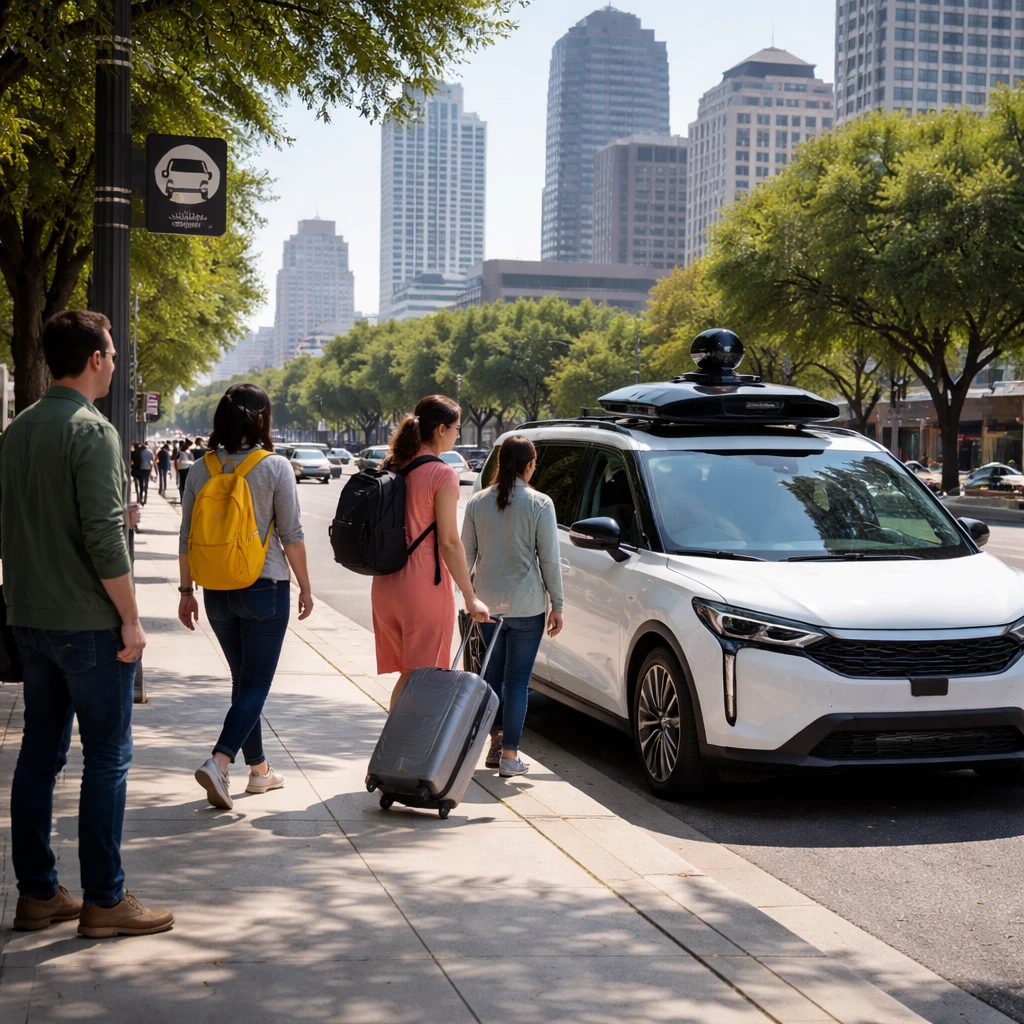
Waymo, the autonomous vehicle division of Alphabet Inc., started commercial robotaxi operations in three of Texas's largest cities - Dallas, Houston and San Antonio - on Tuesday, and simultaneously launched service in Orlando, Florida. This marks the first time Waymo has opened its paid, fully driverless service to the public in multiple cities on the same day.
Company officials said select users among the tens of thousands who have downloaded the Waymo app in these metro areas will receive invitations to take their initial rides beginning Tuesday. Waymo plans to expand invitations on a rolling basis, with the intention of opening service to the full public later in the year. Once fully opened, Waymo's footprint of commercial metro areas will total 10.
"Waymo is serving more riders than ever, as we are on track to serve over one million rides per week by the end of this year," said Tekedra Mawakana, co-CEO of Waymo. "Dallas, Houston, San Antonio, and Orlando are critical to our plans, as we lay groundwork for service in 20+ cities."
The company's expansion occurs against a backdrop of regulatory headwinds in some jurisdictions. Last week, New York Governor Kathy Hochul withdrew a proposal that would have permitted driverless rides outside New York City, citing insufficient support among stakeholders, including lawmakers.
Waymo emphasized its operational experience, noting it has driven in excess of 200 million fully autonomous miles. The company also cited a safety data subset - more than 127 million miles - that it says demonstrates a ten-fold reduction in crashes resulting in serious injury or worse compared with human drivers.
In Texas, the company already had a commercial presence. Last year Waymo began offering autonomous rides in Austin through the Uber app. The Austin service marks an earlier stage of Waymo's Texas deployments, while the new openings on Tuesday extend its paid operations to additional major Texas markets.
Summary of rollout mechanics and scale:
- Initial access is invitation-only for users who have downloaded the Waymo app in the new cities.
- Invitations will be issued progressively before a public opening later this year, bringing the total to 10 commercial metro areas.
- Waymo reports over 200 million fully autonomous miles driven and safety data from more than 127 million miles showing a ten-fold reduction in serious-injury-or-worse crashes compared with humans.
The simultaneous launch in multiple cities and the company's stated targets for ride volume highlight an operational scaling effort, while the noted regulatory setback in New York underscores continuing uncertainty around local approvals for driverless services.