
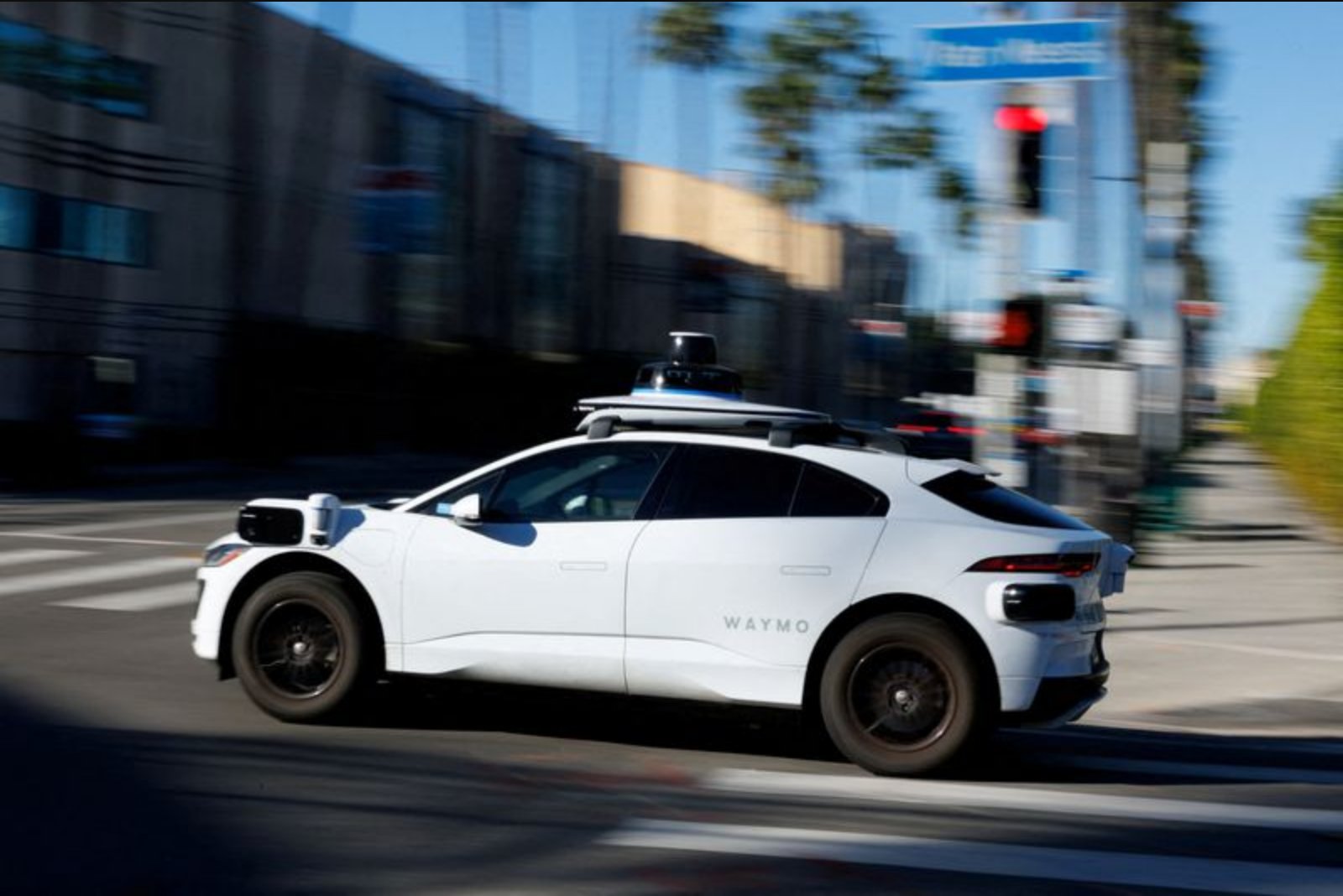
Waymo, Alphabet’s autonomous vehicle unit, has pushed back against congressional questions over the role of remote assistance staff in its robotaxi operations, telling lawmakers that those workers do not perform driving tasks in U.S. on-road service.
In a letter to Democratic Senator Ed Markey, the company said it has not used remote driving or what it described as "tele-operations" to control vehicles on public roads. Waymo acknowledged a limited training-related practice in which some U.S.-based staff could prompt a stopped autonomous vehicle to move forward at 2 mph (3 kph) for a short distance to exit a travel lane, but it said this has not occurred outside of training contexts.
The exchange with Congress follows broader questions from lawmakers about the company’s use of remote personnel, including remote assistance agents located in the Philippines. Republican Representative Buddy Carter and Senator Markey have each raised concerns about whether remote support arrangements are fully transparent and whether they could pose safety or national security risks.
Waymo provided additional detail on how its remote assistance function operates. The company said remote assistance personnel supply advice and support to its robotaxi fleet, but do not directly steer, drive, or control the vehicle. According to Waymo, only its Event Response Team - a U.S.-based group that handles responses to crashes or safety incidents - has the capacity to move a stopped vehicle.
Operationally, Waymo said it maintains four remote assistance centers: one in Arizona, one in Michigan, and two in cities in the Philippines. The company stated that at any given time there are approximately 70 remote assistance agents supporting the fleet. It emphasized that its remote staff are not "passively monitoring a vehicle or group of vehicles with the expectation to identify when intervention is needed." Instead, Waymo said the automated driving system reaches out to remote personnel when the vehicle encounters an ambiguous situation.
Waymo also noted the automated system can reject a suggestion from a remote assistant if the onboard software determines the recommendation is inappropriate. That capability, the company said, is central to its safety approach because the vehicle’s onboard system remains the primary, real-time authority for safe operation.
The firm described the time between a vehicle’s request for remote advice and delivery of that advice as measured in seconds. It added that the car computer continues to make independent decisions based on all available information, and that in most instances the robotaxi resolves its question without remote assistance.
Congressional oversight has not been limited to Waymo. Senator Markey said in an earlier letter that the company had provided limited public information on policies related to remote personnel and asserted that Congress and the public deserve assurance that remote assistance operations will not endanger passengers, other road users, or national security. Markey sent similar inquiries to other autonomous vehicle companies.
Representative Carter separately asked the U.S. Department of Transportation to investigate Waymo’s use of remote vehicle operators based in the Philippines, saying this arrangement "raises serious and reasonable concerns about roadway safety, situational awareness, and national security." The Department of Transportation said it would respond to Carter.
Waymo’s correspondence with lawmakers reiterates the company’s position that remote assistance personnel provide advisory support rather than taking direct control of vehicles, and that the automated driving system remains the final authority on driving decisions in real time.