
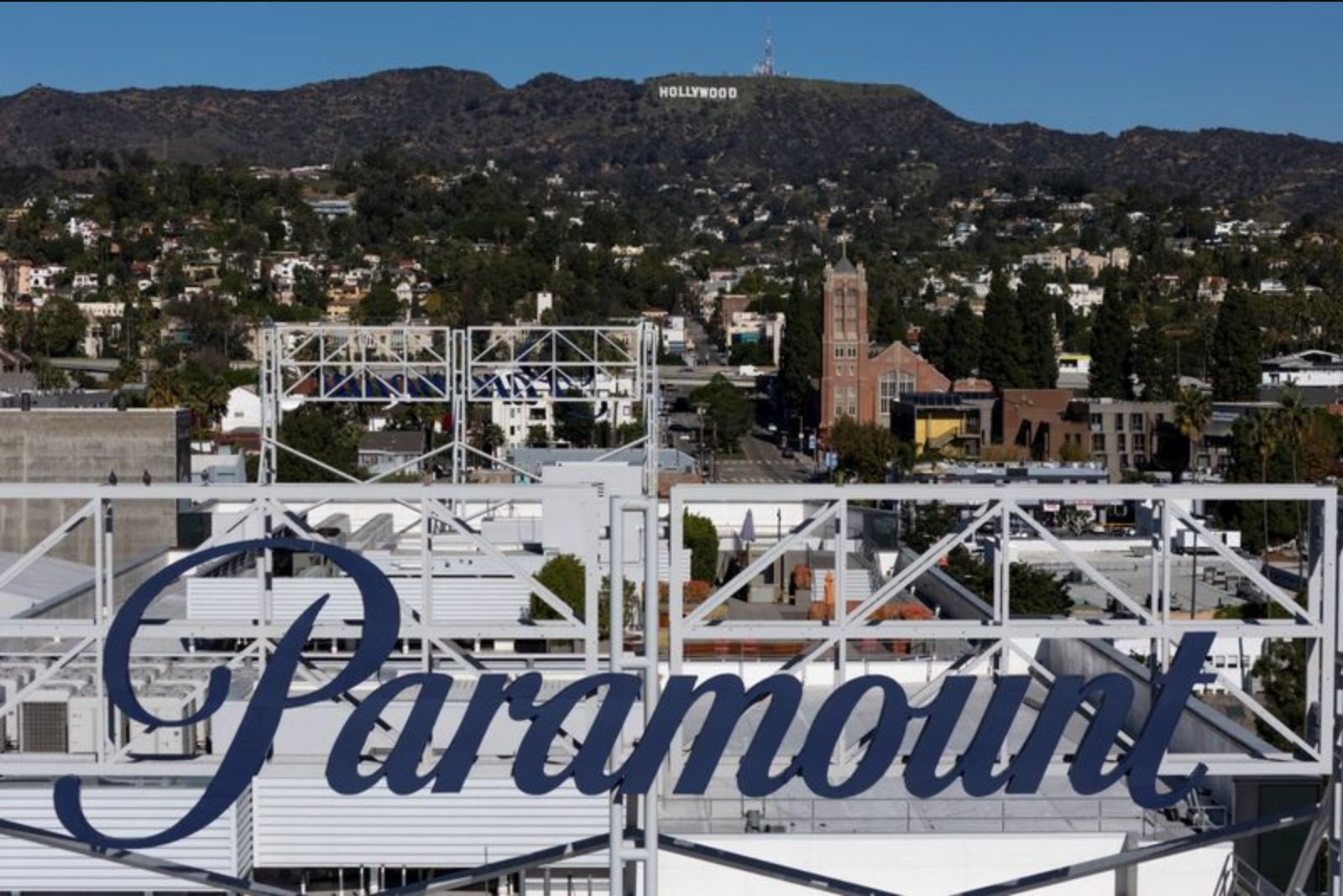
Warner Bros Discovery said on Tuesday that it has rejected Paramount Skydance’s latest hostile takeover proposal of $30 per share but will permit the bidder a short period to improve its terms. The studio owner gave Paramount Skydance until February 23 to present a "best and final offer," noting that the suitor had informally suggested a higher price of $31 per share before Warner Bros reached its decision.
The company also confirmed that Netflix retains the contractual right to match any superior proposal that emerges during that seven-day window, consistent with the merger agreement Warner Bros Discovery has with Netflix. The statement frames the move as the next step in a prolonged contest over control of Warner Bros’ storied film and television studio and its deep content library.
What Warner Bros Discovery said
In its statement, Warner Bros Discovery declined the $30-per-share bid from Paramount Skydance outright but established a limited timeframe for Paramount to submit an improved offer. The company disclosed that an informal suggestion of $31 per share from Paramount had contributed to the decision to invite further negotiations. The board set February 23 as the deadline for Paramount’s "best and final" bid, and reiterated that Netflix may match any higher proposal under the existing agreement between the parties.
Where this fits in the longer contest
The refusal of the $30-per-share approach is the latest development in a competitive and tumultuous sale process. Below is a chronological account of key events tracing the corporate lineage of Time Inc and Warner Bros through to the current sale negotiations and contested offers for Warner Bros Discovery’s studio and streaming assets.
- 1922 - Time Inc was founded by Henry Luce and Briton Hadden to publish Time magazine. The first issue of Time was printed in March 1923.
- 1923 - Warner Bros was established by brothers Harry, Albert, Sam and Jack Warner as a Hollywood film studio and later introduced synchronized sound to motion pictures.
- 1969 - Kinney National Company, a conglomerate that later evolved into a media company, acquired Warner Bros-Seven Arts and subsequently spun off its non-media businesses.
- 1972 - HBO was founded by Charles Dolan with backing from Time as the first U.S. subscription-based cable network, offering uncut movies and live sports.
- 1990 - Time Inc merged with Warner Communications in a $14 billion deal, creating Time Warner.
- 1996 - Time Warner merged with Turner Broadcasting, bringing Cartoon Network, CNN and TNT into the fold and expanding its film library.
- 2000 - Time Warner merged with AOL to form AOL Time Warner, a large-scale attempt to align traditional and digital media.
- 2002 - The AOL Time Warner merger began to unravel amid the collapse of AOL’s value and an SEC inquiry related to accounting and revenue reporting at AOL.
- 2003 - CEO Steve Case resigned from AOL Time Warner.
- 2004 - Time Warner sold Warner Music to a private equity group led by Edgar Bronfman Jr. for $2.6 billion.
- 2009 - Time Warner fully spun off Time WarnerCable, completing a separation that had begun with a partial spinoff in 2007. Time Warner also spun off AOL in 2009.
- 2013 - Time Warner spun off its magazine operations, including Time, People, Fortune and Sports Illustrated.
- 2016 - AT&T announced a deal to acquire Time Warner for $85 billion.
- 2018 - AT&T completed the acquisition of Time Warner and renamed it WarnerMedia.
- 2021 - AT&T announced plans to spin off WarnerMedia and merge it with Discovery Inc to create a standalone media company.
- 2022 - WarnerMedia and Discovery completed their merger in a deal valued at $43 billion, creating Warner Bros Discovery.
- June 2025 - Warner Bros Discovery announced a plan to split into two separate companies, with one focused on streaming and studios and the other housing cable TV assets.
- October 2025 - Warner Bros Discovery’s board rejected a Paramount Skydance bid of nearly $60 billion, or $24 per share, according to a source familiar with the matter. The company said it was evaluating possible sales amid interest from several potential suitors.
- November 2025 - Axios reported that Warner Bros Discovery’s board wanted Paramount Skydance to raise its bid to $30 per share, valuing the company at $74.34 billion.
- November 21, 2025 - Warner Bros Discovery received preliminary buyout proposals from Paramount Skydance, Comcast and Netflix and asked the bidders to improve their offers.
- December 1, 2025 - The company received a second round of bids, including a primarily cash offer from Netflix.
- December 4, 2025 - Paramount Skydance accused Warner Bros Discovery of running an unfair sale process that favored Netflix, according to a CNBC report citing a letter from the merged media company.
- December 5, 2025 - Netflix entered exclusive talks to acquire Warner Bros Discovery’s film and television studios and its streaming assets after offering $28 per share, and agreed to buy the studios and streaming division for $72 billion, or $27.75 per share.
- December 9, 2025 - Paramount Skydance launched a hostile bid for Warner Bros Discovery valuing the company at $108.4 billion, or $30 per share.
- December 17, 2025 - Warner Bros Discovery’s board rejected Paramount Skydance’s hostile $108.4 billion bid, citing insufficient financing assurances.
- December 23, 2025 - Paramount Skydance amended its proposal to include a $40.4 billion personal guarantee from Larry Ellison.
- January 7, 2026 - Warner Bros Discovery again rejected Paramount Skydance’s amended hostile bid despite the Larry Ellison guarantee.
- January 12, 2026 - Paramount Skydance filed a lawsuit seeking disclosure of details about Warner Bros Discovery’s agreement with Netflix and indicated plans to nominate directors to Warner Bros Discovery’s board.
- January 20, 2026 - Netflix amended its offer to an all-cash bid for Warner Bros Discovery’s studio and streaming units and secured unanimous approval from the Warner Bros board without raising the $82.7 billion purchase price.
- January 22, 2026 - Paramount Skydance extended its hostile tender offer for Warner Bros Discovery to February 20, giving itself more time to gain shareholder support.
- February 3, 2026 - U.S. senators questioned Netflix co-CEO Ted Sarandos at a hearing about how the company’s proposed acquisition of Warner Bros Discovery might affect competition in the entertainment industry.
- February 5, 2026 - U.S. President Donald Trump said he would stay out of the bidding war for Warner Bros Discovery, reversing comments he had made late last year.
- February 10, 2026 - Paramount Skydance revised its $30-per-share all-cash offer for Warner Bros, adding a provision of $0.25 per share for every quarter the transaction does not close beyond December 31, 2026, and stating it would fund the $2.8 billion termination fee Warner Bros owes Netflix if the deal falls through.
- February 17, 2026 - Warner Bros Discovery rejected Paramount’s revised bid and gave Paramount seven days to determine whether it could improve its offer to acquire the owner of HBO Max and the "Harry Potter" franchise.
Current status and immediate implications
Warner Bros Discovery’s refusal of the $30-per-share offer, coupled with the acknowledgement that Paramount had floated $31 per share, sets a firm but narrow negotiating window. Paramount has until February 23 to present a higher cash bid. Any substantively higher offer would trigger Netflix’s contractual option to match that proposal. The back-and-forth underscores the contested nature of the sale process for one of Hollywood’s largest libraries and studio operations.
Note on valuation tools
The company’s stock and prospective acquisition dynamics have prompted market commentary on valuation. One analyst note in market materials suggests using a Fair Value calculator that blends multiple industry valuation models to assess whether Warner Bros Discovery is undervalued, though the company’s board actions and competing bids remain central to determining outcome and price.
Key points
- Warner Bros Discovery rejected Paramount Skydance’s $30-per-share hostile proposal but gave the bidder seven days to submit a "best and final" offer; Paramount reportedly informally suggested $31 per share.
- Any higher offer submitted by Paramount within the seven-day window can be matched by Netflix under the existing merger agreement, keeping Netflix firmly in play.
- The contested sale process has involved multiple bidders, a lawsuit by Paramount seeking disclosure and board influence, financing guarantees from Larry Ellison, and regulatory scrutiny, including a U.S. Senate hearing on competition implications.
Risks and uncertainties
- Regulatory and antitrust scrutiny - The sale has already attracted attention from U.S. senators regarding competition, which could affect the terms or timing of any transaction and has implications for the broader media and streaming sectors.
- Financing and closing risk - Previous offers were rejected due in part to concerns about financing assurances, and the process has included high-value guarantees and potential termination fees that could influence bidders’ willingness to proceed.
- Process uncertainty - Legal challenges and accusations of an unfair sale process have introduced procedural unpredictability that could delay or alter final outcomes, affecting stakeholders across entertainment, streaming, and cable TV markets.
This report presents the sequence of events and corporate actions as disclosed by the parties and public reporting. It does not predict outcomes beyond the facts detailed above.