
Overview
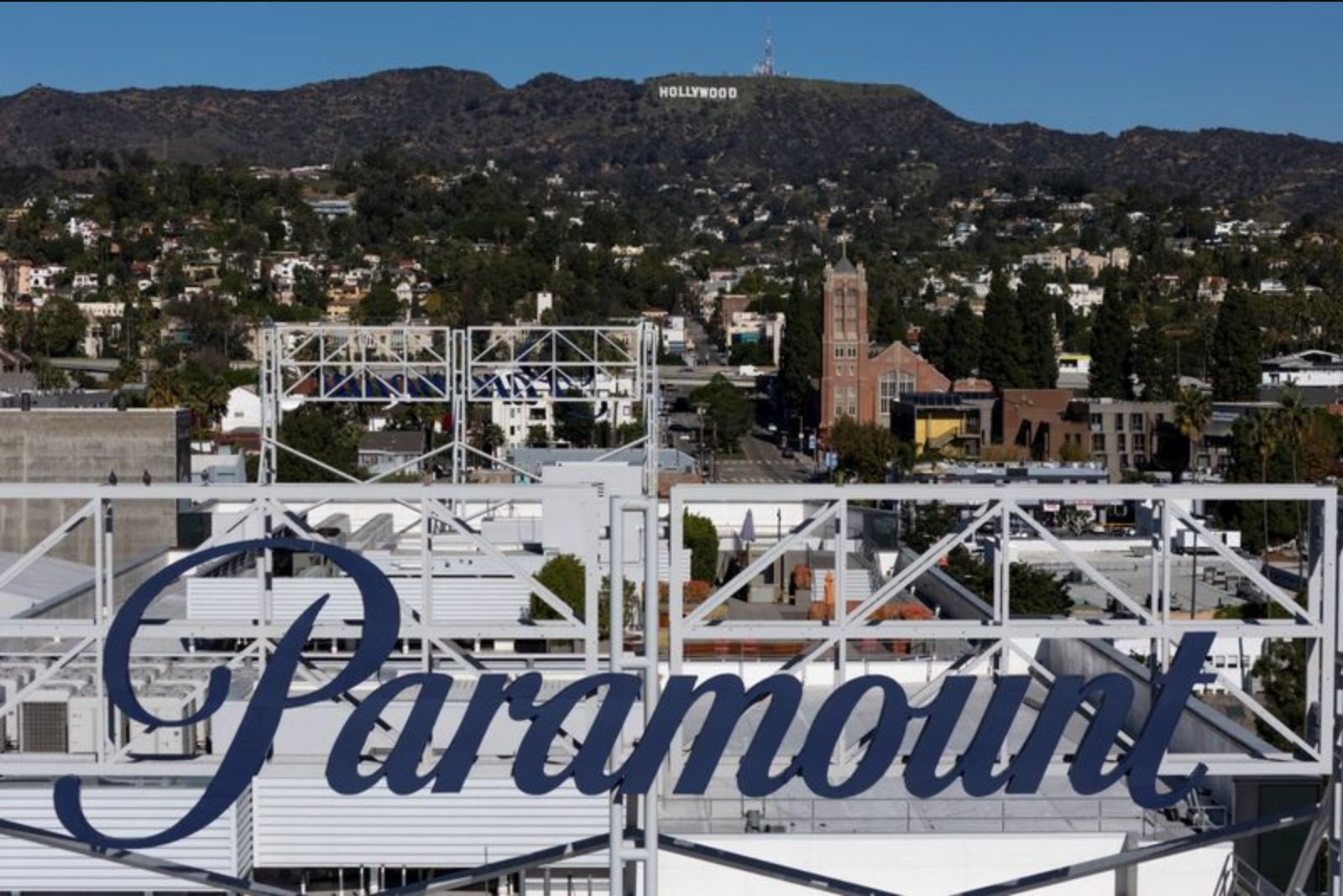
Warner Bros. Discovery said on Tuesday it is considering a sweetened offer from Paramount Skydance, but it did not disclose the price being proposed. The comment came amid an intense takeover contest in Hollywood, where Paramount Skydance is attempting to outbid Netflix for control of the movie studio and streaming assets owned by the parent of HBO.
The latest bid arrives after a week of negotiations that followed earlier discussions between Warner Bros. Discovery and Paramount. Those talks aimed to resolve issues that had led Warner Bros. Discovery to turn down prior offers from Paramount in favor of an agreement with Netflix that valued the studio and streaming businesses at $27.75 per share - a transaction price equivalent to $82.7 billion for the assets in question.
Key developments: a timeline of corporate milestones and the current sale process
The following timeline traces the company from its cinematic founding through a series of strategic transactions and spinoffs, culminating in the current sale drama and proposed separation of the business:
- 1923 - Warner Bros was founded by brothers Harry, Albert, Sam and Jack Warner as a film studio in Hollywood. It pioneered synchronized sound in film.
- 1969 - Kinney National Company, a conglomerate that later shifted into media, acquired Warner Bros-Seven Arts and subsequently divested its non-media activities.
- 1972 - HBO was launched by Charles Dolan with backing from Time. It became the first U.S. subscription-based cable network, offering uncut, commercial-free movies and live sports and establishing the premium cable model.
- 1990 - Time Inc merged with Warner Communications for $14 billion to form Time Warner, a transaction described at the time as uniting content and distribution and creating what became the largest media company globally.
- 1996 - Time Warner absorbed Turner Broadcasting, adding properties including Cartoon Network, CNN and TNT as well as a substantial library of classic films.
- 2000 - Time Warner and AOL completed a high-profile merger that created AOL Time Warner, at the time the largest merger on record, intended to combine traditional media assets with digital distribution.
- 2002 - The AOL Time Warner combination entered a period of turmoil as AOL’s market value plunged and the company became subject to an SEC probe focusing on alleged accounting irregularities and inflated revenue reporting at AOL.
- 2003 - CEO Steve Case stepped down from AOL Time Warner.
- 2004 - Time Warner sold Warner Music to a private equity group led by Edgar Bronfman Jr. for $2.6 billion.
- 2009 - Time Warner completed the full spin-off of Time Warner Cable, following a partial separation in 2007, effectively exiting cable distribution. In the same year, Time Warner also spun off AOL.
- 2013 - Time Warner divested its magazine division, Time, which included titles such as Time, People, Fortune and Sports Illustrated, formalizing its exit from traditional publishing.
- 2016 - AT&T announced plans to buy Time Warner for $85 billion.
- 2018 - AT&T’s acquisition of Time Warner was finalized following regulatory approval, and the business was renamed WarnerMedia.
- 2021 - AT&T declared its intention to spin off WarnerMedia and merge it with Discovery Inc to create a new standalone media company.
- 2022 - The WarnerMedia-Discovery merger was completed in a $43 billion transaction, creating Warner Bros Discovery.
- June 9, 2025 - Warner Bros Discovery announced plans to divide itself into two companies - one to concentrate on streaming and studios, and a second to own cable television assets.
- October 21 - Warner Bros Discovery’s board rejected a 2025 Paramount Skydance offer of nearly $60 billion, or $24 per share, according to a source familiar with the matter. The company said it was evaluating a potential sale amid interest from multiple suitors.
- November 18 - Reports indicated Warner Bros Discovery’s board wanted Paramount Skydance to raise its bid to $30 per share, valuing the company at $74.34 billion.
- November 21 - Warner Bros Discovery received preliminary buyout proposals from Paramount Skydance, Comcast and Netflix, and asked those bidders to improve their offers.
- December 1 - The company received a second round of bids, including a largely cash offer from Netflix.
- December 4 - Paramount Skydance accused Warner Bros Discovery of conducting an unfair sale process that favored Netflix over other bidders, according to reports citing a letter from the merged media company.
- December 5 - Sources indicated Netflix entered exclusive talks to acquire Warner Bros Discovery’s film and television studios as well as its streaming assets after offering $28 per share.
- December 5 - Netflix agreed to purchase Warner Bros Discovery’s film and TV studios and streaming division for $72 billion, or $27.75 per share.
- December 9 - Paramount Skydance launched a hostile bid to acquire Warner Bros Discovery in a proposal valued at $108.4 billion, or $30 per share.
- December 17 - Warner Bros Discovery’s board rejected Paramount Skydance’s hostile $108.4 billion bid, citing insufficient assurances regarding financing.
- December 23 - Paramount Skydance revised its offer to include a $40.4 billion personal guarantee from Larry Ellison.
- January 7 - Warner Bros Discovery again declined Paramount Skydance’s amended hostile bid despite the inclusion of Mr. Ellison’s guarantee.
- January 12 - Paramount Skydance filed a lawsuit seeking to compel Warner Bros Discovery to reveal details of its agreement with Netflix, and proposed nominating directors to Warner Bros Discovery’s board.
- January 20 - Netflix amended its proposal into an all-cash offer to buy Warner Bros Discovery’s studio and streaming units, securing unanimous approval from Warner Bros Discovery’s board while maintaining the $82.7 billion purchase price.
- January 22 - Paramount Skydance extended a hostile tender offer to February 20 in an effort to obtain additional time to persuade investors.
- February 3 - U.S. senators questioned Netflix co-CEO Ted Sarandos at a hearing about the competitive implications of its proposed acquisition of Warner Bros Discovery.
- February 5 - U.S. President Donald Trump said he will refrain from intervening in the bidding contest, reversing prior comments he made late last year.
- February 10 - Paramount Skydance amended its $30-per-share cash proposal to include a 25-cent-per-share fee for each quarter that the deal fails to close beyond December 31, 2026, and pledged to cover the $2.8 billion termination fee Warner Bros Discovery would owe Netflix if the transaction did not proceed.
- February 17 - Warner Bros Discovery rejected Paramount Skydance’s revised offer and gave Paramount seven days to determine whether it could formulate an improved bid to acquire the owner of HBO Max and the Harry Potter franchise.
- February 24 - Warner Bros Discovery announced that it is considering a sweetened proposal from Paramount Skydance, but did not disclose the value of that revised bid.
Investor note
Market tools cited by investors evaluate Warner Bros Discovery against a broad set of metrics. One such analysis uses over 100 financial metrics to assess fundamentals, momentum and valuation across thousands of companies to identify potential risk-reward opportunities. The analysis highlighted that the model has previously identified stocks such as Super Micro Computer and AppLovin as notable performers in the past, and it offers users a way to determine whether Warner Bros Discovery appears in any of its strategies or whether alternative opportunities exist within the same sector.
What this means for markets and sectors
The bidding process touches multiple corners of the media and entertainment landscape. The assets under discussion - film and television studios plus streaming platforms - are central to content ownership and distribution, areas that influence cable networks, subscription streaming economics, and studio profitability. The sale and any subsequent separation of businesses could affect capital allocation decisions across media, advertising, and consumer entertainment spending.
Process and governance notes
The chronology shows a sequence of competing offers, legal challenges and public assertions about the fairness and financing of bids. Warner Bros Discovery’s board has repeatedly scrutinized Paramount Skydance’s proposals, citing concerns about financing assurances. Paramount Skydance has responded with revised offers, legal action and extended tender efforts. Netflix secured unanimous board approval for its all-cash offer for the targeted studio and streaming units while maintaining the previously stated purchase price.
Current status
As of the latest announcement, Warner Bros Discovery is considering a sweetened proposal from Paramount Skydance. The company has not disclosed the value of that bid. The situation remains fluid, with competing proposals, regulatory scrutiny and legal filings forming part of an ongoing process.
Note: This article reports the sequence of public statements, offers, board decisions, and legal actions as presented by the parties involved; it does not add new facts beyond those events as described above.