
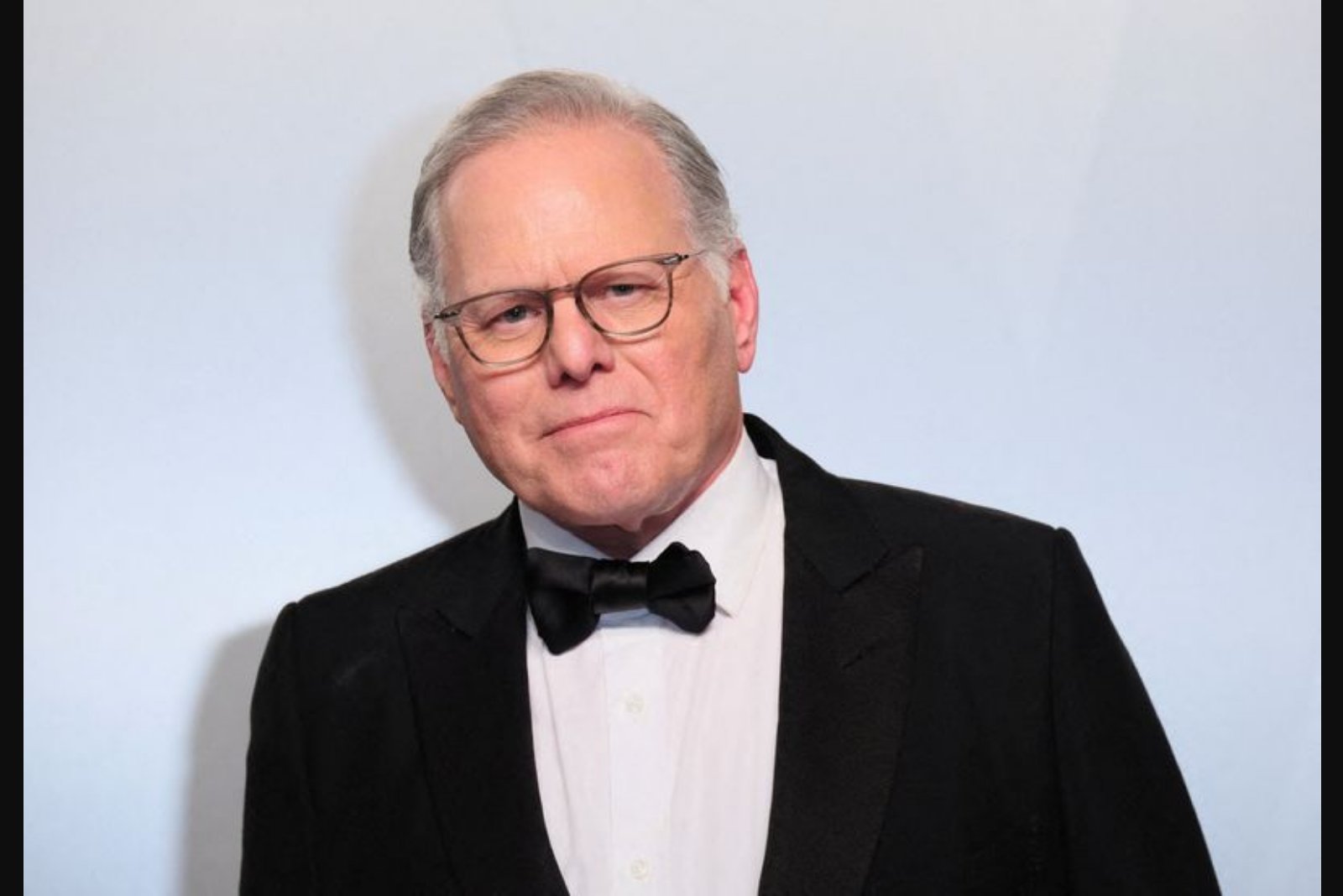
A regulatory filing released on Monday indicates Warner Bros. Discovery (WBD) Chief Executive David Zaslav stands to receive up to $887 million contingent on completion of the company's sale to Paramount Skydance, according to the document. WBD signed an agreement last month to be acquired in a $110 billion transaction, ending a competitive bidding process after Netflix withdrew from its earlier agreement with the HBO Max owner.
The filing breaks down the components that together compose the potential $887 million payment:
- Cash severance: About $34.2 million in cash severance, which includes salary continuation and a bonus component that are triggered by a change-in-control termination.
- Vested equity: Approximately $115.8 million in already vested equity holdings.
- Unvested share awards: Roughly $517.2 million in awards that have not yet vested but would accelerate or be triggered upon completion of the sale.
- Estimated tax reimbursements: About $335 million in estimated tax reimbursements for Zaslav. The company stated this payment is based on tax-code rules "that are expected to cause it to significantly decline with the passage of time."
The filing further notes that the tax reimbursement component would be reduced to zero if the deal's completion is pushed into 2027. Paramount has indicated expectations that the transaction will close in the third quarter of this year.
All elements of the payment are presented as contingent on the transaction moving forward and on specified timing milestones. The filing ties certain payouts specifically to a change-in-control termination event, and it highlights the time sensitivity of tax-related compensation by citing tax-code provisions that affect the size of the reimbursement as time passes.
The filing also references the broader sequence of events that led to the deal: Netflix had earlier abandoned its agreement with the HBO Max owner, and WBD subsequently reached an agreement with Paramount Skydance. The regulatory disclosure provides the detailed compensation math but does not add forecasts of market reaction or potential impacts beyond the transactional terms described.
Investors and market participants focused on media and entertainment companies may regard the timing provisions and tax-related conditionality as important variables to monitor as the closing window approaches.
Additional promotional material included in the filing's public release references a separate AI-driven stock evaluation tool and highlights examples of past stock picks; that material sits outside the compensation specifics and is presented as a distinct offering.