
Overview
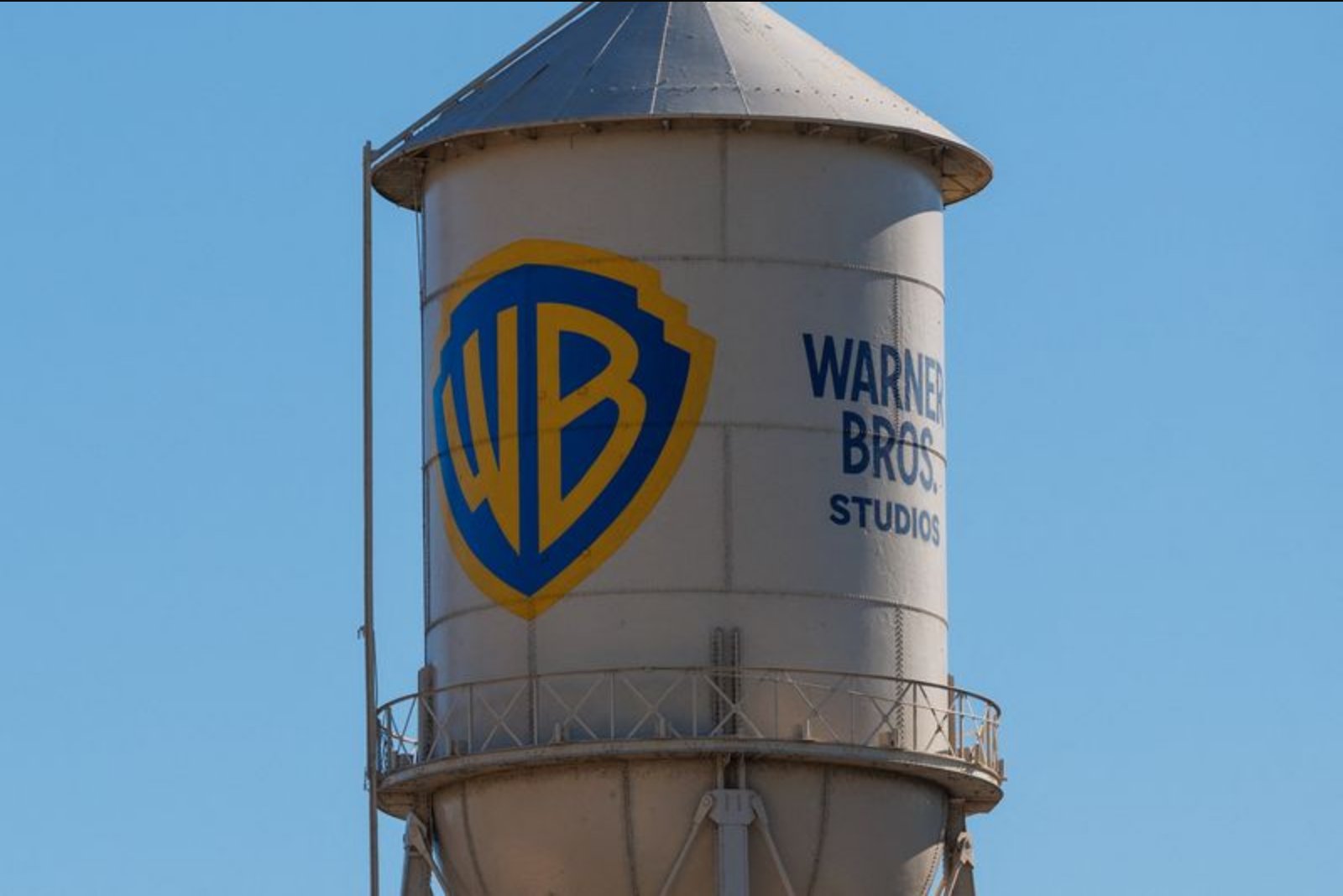
Warner Bros Discovery's history is a long-running sequence of strategic transformations - from a founding studio that helped redefine cinema to a modern media conglomerate caught in a contested sale process. The company traces its roots to 1923 and over the decades has moved through ownership changes, mergers and spin-offs that reshaped its composition and business focus. The most recent chapter involves an announced separation into two companies and a high-profile bidding battle among several suitors.
Founding and early innovations
Warner Bros began in 1923 when brothers Harry, Albert, Sam and Jack Warner established the studio in Hollywood. The studio became a catalyst for change in the motion picture industry by introducing synchronized sound in films, a technological advance that revolutionized cinema.
Corporate consolidations and the cable era
The company’s ownership and structure evolved through several major transactions. In 1969, Kinney National Company, a conglomerate that would later pivot into media, acquired Warner Bros-Seven Arts and subsequently spun off its non-media businesses. In 1972, HBO was founded by Charles Dolan with backing from Time; it launched as the first U.S. subscription-based cable network, delivering uncut, commercial-free movies and live sports and establishing the premium cable model.
Time Inc and the creation of a media giant
Time Inc merged with Warner Communications in 1990 in a transaction valued at $14 billion. That combination - described at the time as a "marriage of content and distribution" - created Time Warner, which was then the largest media company in the world. The consolidation continued in 1996 when Time Warner absorbed Turner Broadcasting, bringing Cartoon Network, CNN, TNT and a substantial library of classic films into the fold.
Dot-com era merger and its unwinding
In 2000, Time Warner merged with AOL to form AOL TimeWarner, the largest merger of its kind at that time and intended to combine traditional media assets with digital distribution. The deal quickly began to unravel; by 2002 AOL’s market value had collapsed and the company faced an SEC investigation prompted by allegations of accounting irregularities and inflated revenue reports. The fallout culminated in the resignation of CEO Steve Case in 2003.
Divestitures and exits from legacy businesses
Following the dot-com era, Time Warner reduced its footprint in several areas. In 2004 it sold Warner Music to a private equity group led by Edgar Bronfman Jr. for $2.6 billion. By 2009, Time Warner had fully spun off Time Warner Cable - which had previously been partially separated in 2007 - and also spun off AOL the same year. In 2013 the company completed its formal exit from publishing by spinning off Time, the magazine division that included titles such as Time, People, Fortune and Sports Illustrated.
Integration with telecom and reconfiguration
AT&T announced an $85 billion acquisition of Time Warner in 2016, and completed that acquisition in 2018 after receiving regulatory approval. Upon closing, AT&T renamed the business WarnerMedia. The next major corporate reconfiguration was announced in 2021, when AT&T said it would spin off WarnerMedia and merge it with Discovery Inc to form a new standalone media company. That merger was completed in 2022 in a transaction valued at $43 billion, creating Warner Bros Discovery.
Recent restructuring and the opening of a sale process
On June 9, 2025, Warner Bros Discovery announced plans to split into two independent companies - one focused on streaming and studio operations and the other comprising cable television assets. As the company weighed strategic options, its board attracted acquisition interest from multiple bidders.
Initial bids and the escalation of offers
On October 21, Warner Bros Discovery’s board declined an earlier Paramount Skydance proposal valued at nearly $60 billion, or $24 per share, according to a source familiar with the matter. In subsequent weeks the company signaled it was considering potential sale alternatives amid interest from multiple suitors.
By November 18, the board was reportedly seeking a higher price from Paramount Skydance, asking the suitor to increase its bid to $30 per share, which would value the company at $74.34 billion, according to Axios. A few days later, on November 21, Warner Bros Discovery received preliminary buyout bids from Paramount Skydance, Comcast and Netflix and requested improved offers.
Competitive bidding and legal disputes
Warner Bros Discovery received a second round of bids on December 1, including a mostly cash proposal from Netflix. Tensions between bidders intensified. On December 4, Paramount Skydance accused Warner Bros Discovery of conducting an unfair sale process that favored Netflix over other bidders, as outlined in a letter reported by CNBC.
On December 5, sources indicated that Netflix was in exclusive talks to acquire Warner Bros Discovery’s film and television studios along with its streaming assets after offering $28 per share. Later the same day Netflix agreed to purchase those studios and streaming operations for $72 billion, or $27.75 per share. Paramount Skydance responded with a hostile bid on December 9, valuing the company at $108.4 billion or $30 per share. Warner Bros Discovery’s board rejected that hostile offer on December 17, citing insufficient financing assurances.
Escalation, guarantees and litigation
On December 23, Paramount Skydance amended its offer to include a $40.4 billion personal guarantee from Larry Ellison. Despite that guarantee, Warner Bros Discovery rejected the amended hostile bid on January 7. Paramount Skydance then filed a lawsuit on January 12 seeking disclosure of details about Warner Bros Discovery’s deal with Netflix and indicating plans to nominate directors to the company’s board.
Meanwhile, on January 20, Netflix amended its proposal to an all-cash offer for Warner Bros Discovery’s studio and streaming units and obtained unanimous approval from the Warner Bros board without increasing the purchase price of $82.7 billion. Paramount Skydance extended its hostile tender offer to February 20 on January 22, aiming to secure more time to persuade investors.
Political and regulatory scrutiny
Political and regulatory attention also entered the process. On February 3, U.S. senators questioned Netflix co-CEO Ted Sarandos at a hearing about how a Netflix acquisition of Warner Bros Discovery might affect competition within the entertainment industry. On February 5, U.S. President Donald Trump stated he would not participate in the bidding war for Warner Bros Discovery, reversing earlier comments from the prior year.
Revised offers and fee provisions
Paramount Skydance revised its approach on February 10 by presenting a $30-per-share all-cash proposal that included a 25-cent-per-share fee for each quarter the transaction failed to close beyond December 31, 2026. Paramount also said it would fund the $2.8 billion termination fee that Warner Bros Discovery would owe Netflix if the deal collapsed. Warner Bros Discovery rejected that revised bid on February 17 and set a seven-day window for Paramount to improve its offer to acquire the owner of HBO Max and the "Harry Potter" franchise.
Opening the door to Paramount and the latest offers
On February 24, Warner Bros Discovery indicated it was considering a sweetened proposal from Paramount Skydance but did not disclose the offer's value. The same day the company said it had opened the door to Paramount after the latter’s CEO, David Ellison, raised the bid to $31 per share.
On February 26, Netflix declined to raise its competing offer after Warner Bros Discovery said Paramount Skydance’s adjusted $31-per-share proposal was superior to its existing arrangement with the streaming firm.
What this means for markets and stakeholders
The sequence of bids, rejections, guarantees and legal action underscores the complexity of corporate control transactions involving major media assets. The process has engaged multiple strategic buyers, prompted board-level decisions and triggered political and regulatory scrutiny. Warner Bros Discovery’s announced planned separation into streaming-and-studios and cable-focused companies adds another layer of strategic recalibration to the proceedings.
Final note
The timeline above records the key public actions and offers as reported in the recent sale process. Specific financial terms and strategic intentions were disclosed at the times noted. The company’s path forward remains conditioned on negotiations, board judgments and the actions of competing bidders and regulators.