
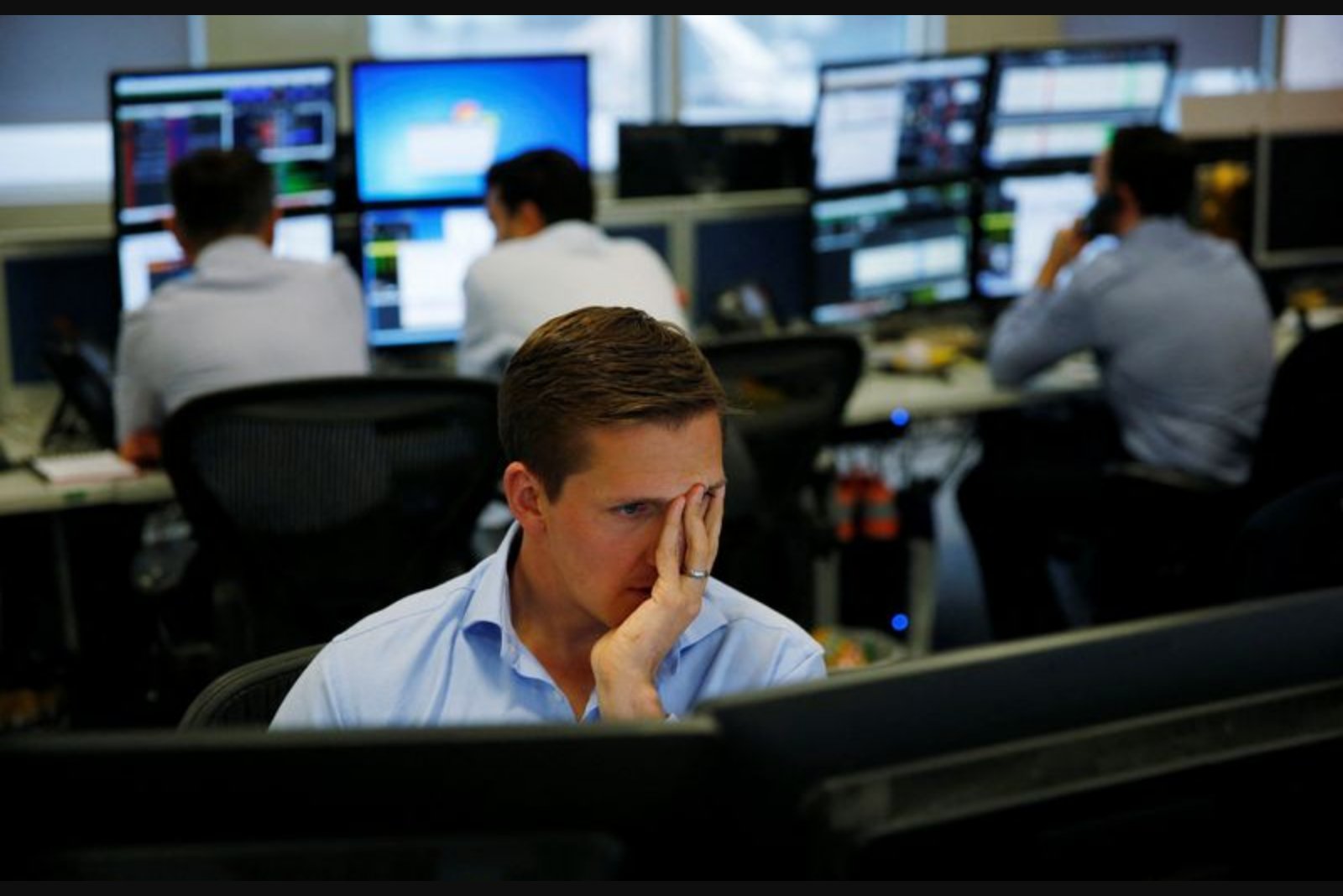
The evening before U.S.-Israeli air strikes on Iran’s Supreme Leader on Saturday February 28, many firms on Wall Street were already braced for military action. The reason, executives and consultants say, was a surge in consultation with ex-military and national security advisers who told clients that indicators pointed toward imminent strikes.
At about 6 p.m. ET on that Friday, geopolitical risk consultancy WestExec Advisors informed some of its clients - which include large banks - that it assessed a 65% probability of military action over that weekend, according to the firm's managing partner Nitin Chadda. "It was clear to us that there was an intention to take some meaningful Iran military action," Chadda said, adding that the firm had seen an increase in queries from financial clients and had been assisting some banks in scenario planning for how the conflict might unfold.
Chadda, a former senior Pentagon adviser, co-founded WestExec in 2017 with colleagues including Antony Blinken, who became U.S. Secretary of State in 2021. WestExec's client roster has included investment bank Lazard, private equity firm Blackstone, and Japan's Softbank, according to 2021 media reports that referenced Blinken's Senate disclosures at the time.
Demand for geopolitical analysis has grown steadily in recent years, consultants and banking sources say. The trend accelerated after rising U.S.-China tensions during the first Trump administration and the COVID-19 pandemic disrupted supply chains and markets, and continued through the war in Ukraine. The latest Middle East confrontation - which has contributed to volatility in stocks and bonds and triggered a squeeze in the oil market - has reinforced the perceived value of such advisory services, particularly amid an administration whose foreign policy moves have sometimes surprised markets.
More than half a dozen consultants, banking sources and investors described a stream of briefings from former military and national security officials that proliferated across Wall Street as institutions and investors sought insight. Their inquiries covered a wide array of topics - from Iran's reported capabilities such as stockpiles of mines to secondary effects on semiconductor manufacturing - and extended into logistics matters like shipping transit routes.
"What you’re really seeing from the financial industry is how national security and economic security have been merging over the last few years, and that is accelerating," said Amy Mitchell, founding partner at geopolitical consultancy Kilo Alpha Strategies, who previously served as a senior Pentagon adviser.
Spotting the final indicators
The strikes came after roughly three weeks of U.S.-Iran negotiations that were intended to curb Tehran's nuclear ambitions. During that period, the U.S. stepped up its military presence in the Gulf and President Trump warned of possible force. Negotiations concluded the Thursday before the strikes with no breakthrough, though Omani mediators reported some progress and expected talks to resume.
Still, several advisers and consultants said there were signs pointing away from an imminent diplomatic resolution and toward a military response. WestExec did not claim access to U.S. war plans, but its executives said they observed frustration among people close to the discussions and other indicators that suggested a strike could be imminent. One such indication, Chadda said, was what he described as a "last ditch" visit to Washington by Oman's foreign minister that Friday.
Chad Sweet, a former CIA officer and chief executive of The Chertoff Group, noted the arrival of the USS Gerald R. Ford aircraft carrier in Israel early that Friday as another significant signal. Other signs included reports that some U.S. embassy staff in the region were allowed to depart, which Jay Truesdale, CEO of geopolitical strategy adviser TDI, called "one of the final major trip wires."
TDI had been advising clients - from hedge funds to shippers to industrial firms - to watch for government actions and open-source indicators that would reflect aspects of a war plan. "We knew that once the trip wires were triggered that the likelihood of military action within 24-72 hours dramatically increased," Truesdale said.
Markets reacted before the strike
Some market moves that Friday suggested investors were positioning for a major event. Traders piled into U.S. Treasuries even after unexpectedly strong inflation readings, a dynamic that would normally push investors away from long-dated government bonds. The rush into the perceived safe-haven asset drove the yield on the benchmark 10-year Treasury note below 4% that day. Such a sharp move into Treasuries is usually linked to an adverse macro development - or strong belief that one is imminent.
Tom di Galoma, managing director of global rates trading at boutique broker-dealer Mischler Financial, said there was market chatter that the unusual Treasury move may have been prompted by briefings from ex-military officials.
In a separate statement, White House press secretary Karoline Leavitt said Iran posed an imminent threat and described the strike as a courageous decision.
Banks build in geopolitical capabilities
As investor appetite for geopolitical insight has risen, major financial institutions have expanded their capabilities. JPMorgan, Bank of America, Lazard, Goldman Sachs and Deutsche Bank, among others, have launched geopolitical advisory operations in recent years or added national security expertise to their teams. In November 2022, Deutsche said it had hired the late former U.S. Secretary of State Henry Kissinger. Last year, Santander brought on the former head of the British Army, General Sir Patrick Sanders, to help advise on its defense lending initiatives.
When approached for comment, spokespeople for Deutsche Bank, JPMorgan and Santander declined to comment, while Goldman Sachs did not respond to a request for comment. A Bank of America spokesperson said its geopolitical department includes experienced national security and intelligence analysts.
Advisory teams are fielding intense demand as the conflict expands. Investors want near real-time situational updates, intelligence on shipping transit routes, forecasts for oil price direction, and assessments of how the crisis will affect energy-sensitive sectors. Teddy Bunzel, head of Lazard's geopolitical advisory business, said his unit has been operating around the clock since its 2022 launch, answering highly specific client questions from across the investor and energy communities.
"It’s been 24/7, fielding very specific questions from clients across the spectrum, including investors and energy folks," Bunzel said. Lazard's advisory operation counts several former military figures among its advisers, including retired four-star Admiral William McRaven. "Everyone is wondering - how does this end?" Bunzel added.
Investment research tool mention
Should you be buying BAC right now? ProPicks AI evaluates BAC alongside thousands of other companies every month using more than 100 financial metrics. Using AI to generate stock ideas, it assesses fundamentals, momentum, and valuation without bias and highlights stocks that may offer notable risk-reward profiles. The tool has cited past winners including Super Micro Computer and AppLovin. Investors can use it to check whether BAC appears in current strategies or to compare opportunities within the same sector.