
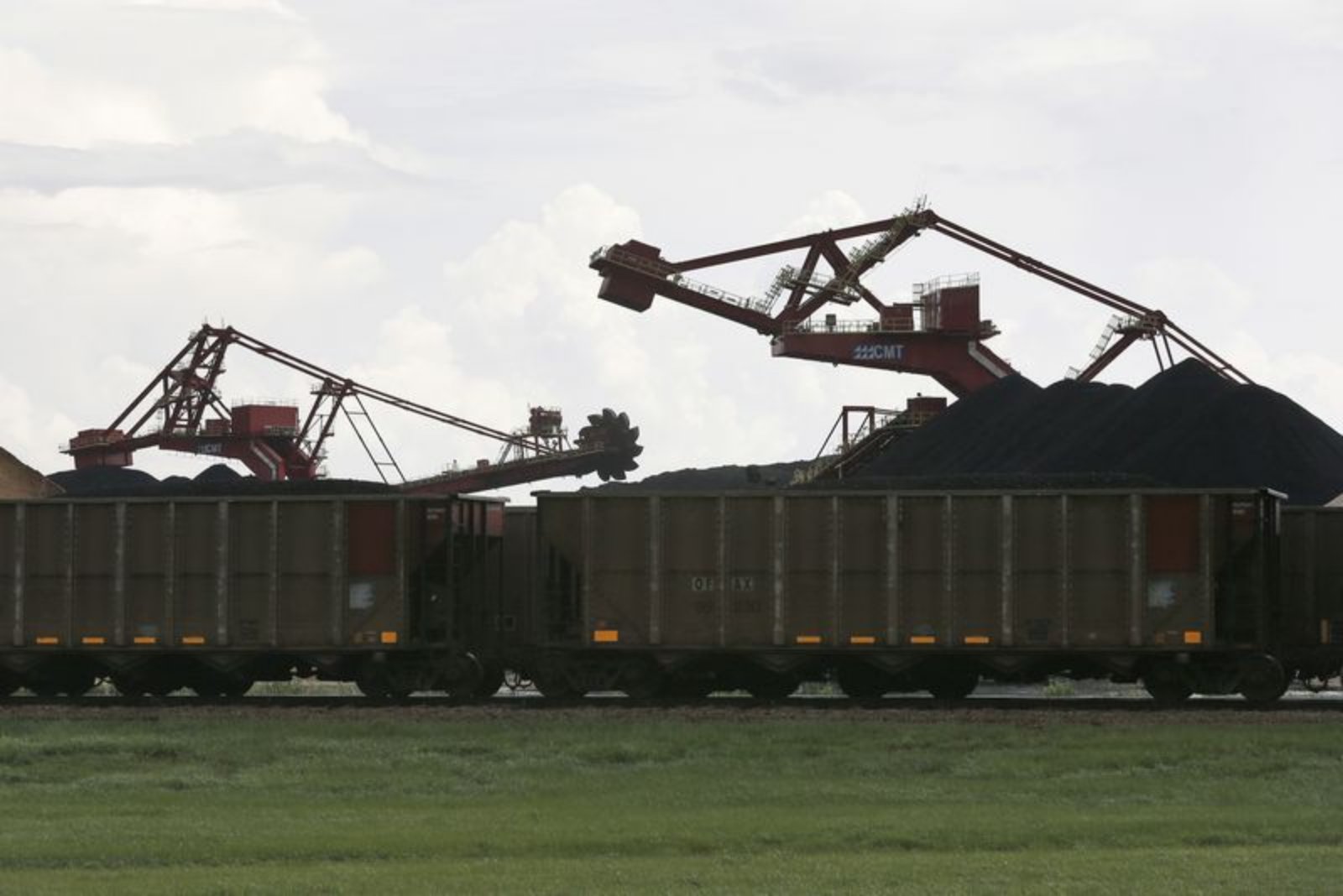
Vulcan Materials Co. reported quarterly results that came in below analyst forecasts, a reflection of softer demand from the residential construction sector and ongoing cost pressures. The company’s fourth-quarter revenue totaled $1.91 billion for the period ended December 31, a 3.2% increase from the prior year, yet this figure missed the consensus expectation of $1.96 billion compiled by LSEG.
Shares of the construction materials producer dropped more than 7% in premarket trading after the results were released.
The firm attributed part of the demand drag to high mortgage rates, which have cooled homebuying activity and slowed the initiation of new residential projects. At the same time, persistent inflation has continued to elevate both material and labor costs, a dynamic that has reduced demand for construction supplies from companies such as Vulcan.
Vulcan’s largest business, construction aggregates - which include sand, gravel and crushed stone - generated $1.52 billion in revenue in the quarter, up from $1.47 billion a year earlier. Despite the aggregate revenue increase, on an adjusted basis the company reported earnings of $1.70 per share, below the average analyst forecast of $2.11 per share.
Looking ahead, Vulcan provided a 2026 shipment outlook and an earnings range rather than a specific earnings-per-share target. Management expects total shipments in 2026 to rise 1% to 3% compared with 2025 levels. The company also projected full-year adjusted EBITDA in a range between $2.4 billion and $2.6 billion.
“We expect continued strength in public construction activity and improving private nonresidential opportunities, a combination that should benefit an already healthy pricing environment,” said CEO Ronnie Pruitt.
That guidance underscores management’s view that public construction and nonresidential private projects could help offset the softness in residential activity, and that pricing conditions remain supportive despite broader demand challenges and input cost inflation.
Financial detail recap:
- Quarterly revenue: $1.91 billion, up 3.2% year-over-year (analyst consensus $1.96 billion).
- Aggregates revenue: $1.52 billion, up from $1.47 billion a year earlier.
- Adjusted profit: $1.70 per share (analysts expected $2.11 per share).
- 2026 shipment guidance: increase of 1% to 3% versus 2025.
- 2026 adjusted EBITDA guidance: $2.4 billion to $2.6 billion.
The results and outlook reflect a mix of demand headwinds in residential construction alongside what management describes as healthy pricing in other end markets. Investors reacted quickly to the earnings shortfall, driving the premarket share decline.