
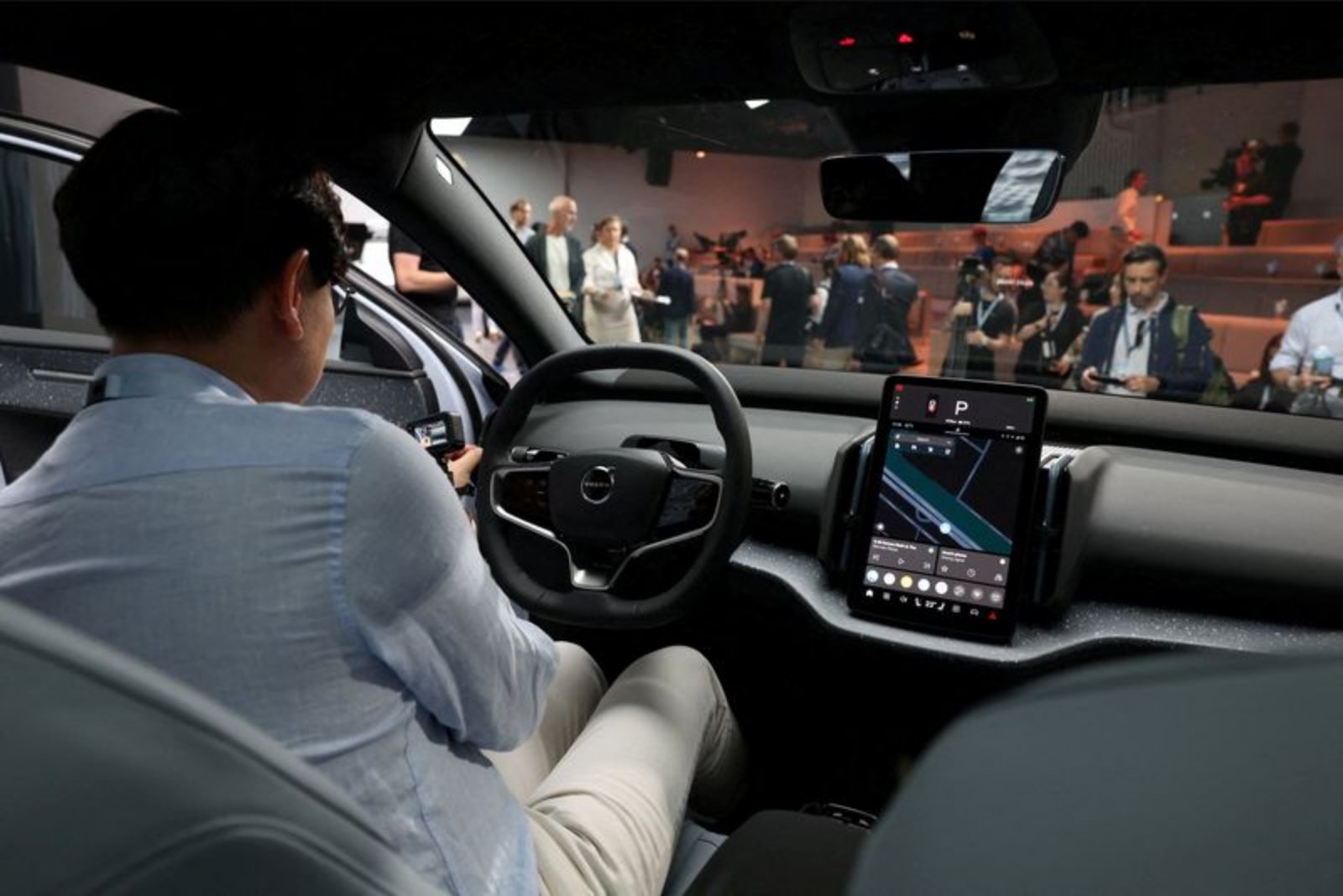
Volvo Cars has announced a recall affecting 40,323 of its EX30 compact electric SUVs after identifying a risk that high-voltage battery packs could overheat, the company said. The recall requires replacement of the affected battery modules and comes as a setback for a model that is central to Volvo's strategy to compete on price with lower-cost rivals.
The affected vehicles include EX30 Single-Motor Extended Range and Twin-Motor Performance variants fitted with the high-voltage battery cells at the center of the issue. Volvo said it is reaching out to owners of all impacted cars to outline the next steps for remedying the problem.
The battery cells were manufactured by Shandong Geely Sunwoda Power Battery Co., a joint venture backed by Volvo's parent company, Geely. Volvo said the supplier has corrected the defect and will provide the revised battery cells for the replacements.
Pending the replacement of the defective modules, Volvo is urging owners to limit charging to 70% to eliminate the fire risk. The automaker also instructed EX30 owners in more than a dozen countries, including the United States, Australia and Brazil, to park away from buildings and maintain the charging cap, steps the company began communicating in December through regulatory filings and direct notices.
Volvo confirmed it will replace the affected battery modules at no cost to customers. The company said it is engaging with the supplier on the supply and installation of replacement parts, and described third-party estimates of the recall cost as speculative.
Industry observers and former automakers cited in Volvo's statement emphasized the stakes. Sam Fiorani, vice president for global vehicle forecasting at AutoForecast Solutions, noted the importance of the EX30 to Volvo's lineup and said the company must execute the remedy correctly. Andy Palmer, who led Nissan's Leaf launch, highlighted that Volvo's safety reputation leaves little margin for error.
The recall follows other high-profile battery safety problems in the EV sector. In 2020, a defect in batteries supplied by LG Electronics prompted General Motors to recall about 140,000 Chevy Bolt vehicles and undertake repairs that cost roughly $2 billion, a precedent cited in discussions of EV battery risk management.
Financial implications for Volvo are material. An analysis cited by Volvo estimated that replacement EX30 battery packs alone could amount to $195 million, excluding logistics and repair costs. Volvo cautioned that such calculations were speculative and said it was in talks with the supplier on cost responsibility.
Owners affected by the charging restrictions reported immediate practical impacts. One British owner said he selected the EX30 for its range and Volvo's safety heritage and asserted the automaker should take responsibility because the car presented a safety hazard. Another owner in New Zealand said the charging cap reduced usable range and increased his costs, and said he would welcome a buyback.
The recall arrives as Volvo pursues a $1.9 billion savings program and further operational integration with parent Geely. The company did not quantify total remediation costs beyond the battery pack estimate and said it would continue communicating with affected customers as the replacement program proceeds.
Summary
Volvo is recalling 40,323 EX30 SUVs to replace high-voltage battery modules due to an overheating and fire risk. The batteries were produced by a Geely-backed joint venture that has implemented a fix. Volvo will replace the modules free of charge and has advised owners to cap charging at 70% and avoid parking near buildings while awaiting repairs.
Key points
- Recall covers 40,323 EX30 Single-Motor Extended Range and Twin-Motor Performance vehicles fitted with the affected high-voltage battery cells.
- Batteries were made by Shandong Geely Sunwoda Power Battery Co.; the supplier says the issue has been fixed and will supply replacement cells.
- Volvo will replace affected battery modules at no cost and has advised owners to limit charging to 70% and to park away from buildings until replacements are completed; the recall could have material financial and brand-reputation consequences for Volvo and its supplier.
Risks and uncertainties
- Safety and brand risk - The recall strikes at Volvo's core safety reputation, which could affect consumer trust in the EX30 and broader product family.
- Financial exposure - Replacement battery packs were estimated at $195 million excluding logistics and repair costs, though Volvo described such calculations as speculative and discussions with the supplier are ongoing.
- Operational and supply-chain impact - The replacement program depends on supplier deliveries and logistics; the recall could affect production planning, service capacity and working capital.
Tags: Volvo, EV, batteries, recall, autos