
Volkswagen has retaken the leading position in China’s passenger vehicle market for the opening two months of 2026, according to data from the China Passenger Car Association (CPCA). The combined sales of VW’s local joint ventures with FAW and SAIC accounted for 13.9% of the country’s passenger vehicle market in sales terms during the period.
The CPCA figures show Geely close behind with a 13.8% share, while Toyota’s local partnerships with GAC and FAW together captured 7.8% of passenger vehicle sales. These shifts place both Volkswagen and Toyota ahead of BYD in the January-February window, marking a notable change in market leadership in the world’s largest auto market.
The resurgence of established automakers comes as Beijing lets purchase tax exemptions on electric cars expire and reduces subsidies for EV trade-ins. The policy adjustments have lowered incentives that previously favoured some local electric and plug-in hybrid offerings, squeezing segments where budget EV makers had competed most aggressively on price.
Cui Dongshu, secretary-general of the CPCA, told reporters that as subsidies fade, Toyota’s strength in hybrid electric vehicles has nudged some buyers away from plug-in hybrid electric vehicles (PHEVs). The CPCA commentary indicates hybrids, where Toyota has deep expertise, have benefited at the expense of some PHEV models.
Local manufacturers that had pursued volume growth with low-cost electric and plug-in hybrid models have been among the hardest hit by the curtailed incentives. BYD, which displaced Volkswagen as China’s top seller in 2024 and held the top spot through last year, slipped to fourth place with a 7.1% share in January-February. The company also recorded its largest sales decline since the pandemic in that period.
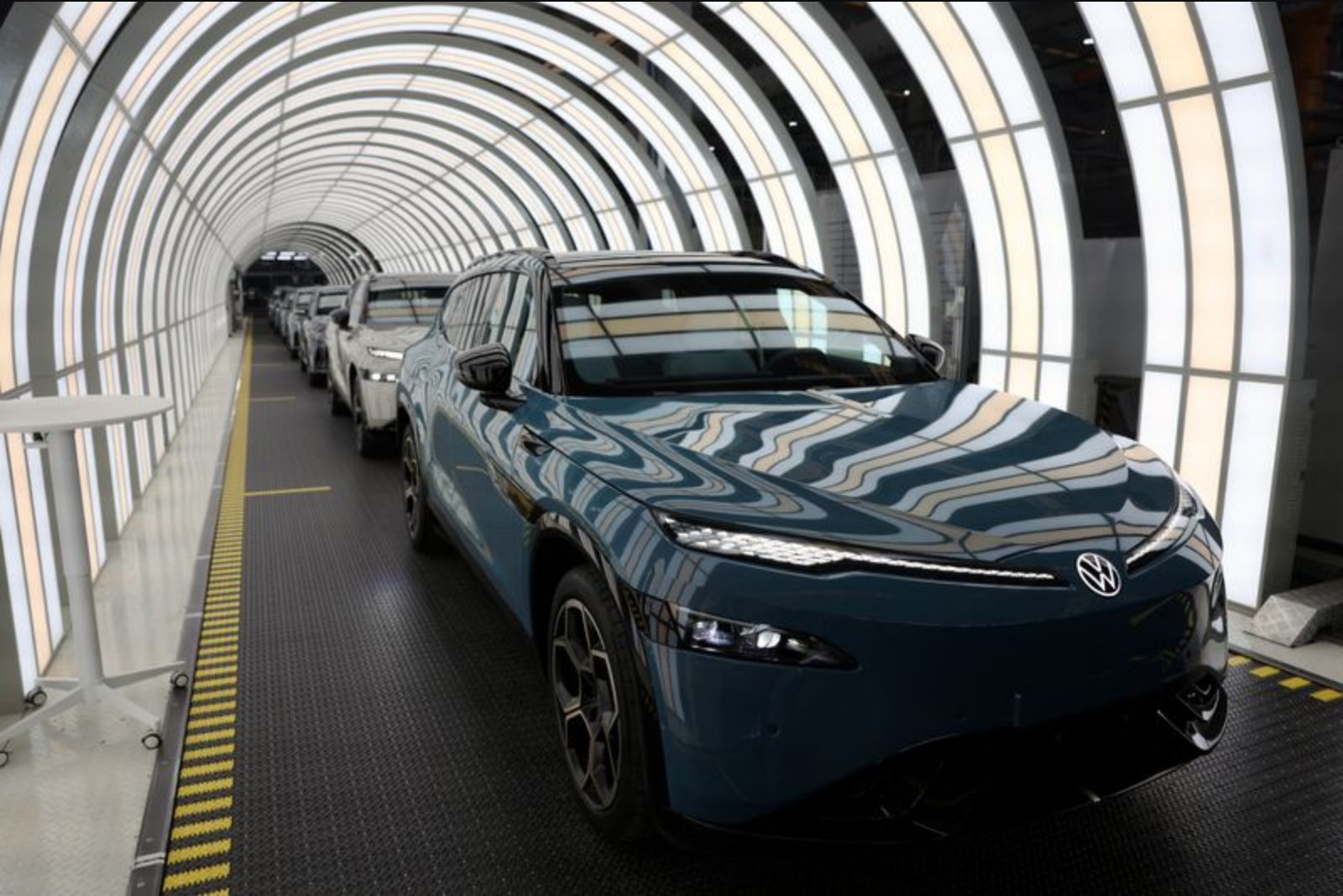
In related product moves, the largest domestic competitor to Tesla revealed what was described as its first significant battery upgrade in six years last week, part of attempts to revitalise sales amid a market-wide shift toward value and away from damaging price wars. Separately, Volkswagen said on Friday it has started mass production of its first model co-developed with Chinese partner Xpeng and plans to introduce more than 20 new EV models in China this year.
The article also noted a market-focused investment query appearing in the coverage that asked whether VOWG is currently undervalued and referenced a fair-value tool that uses multiple valuation models; that commentary was included as part of broader investor-oriented material accompanying sales coverage.