
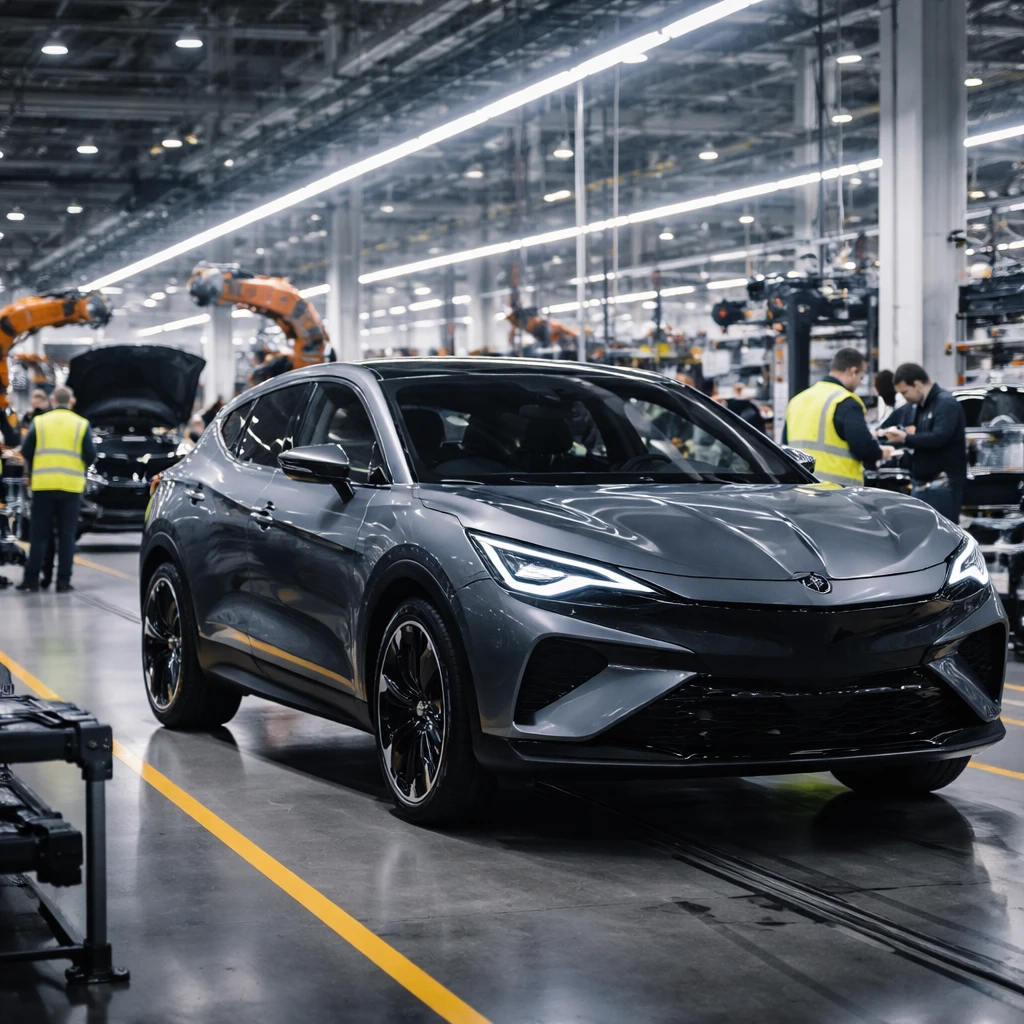
Volkswagen is weighing the possibility of relocating production of its Cupra Tavascan electric SUV coupe from China to facilities in Europe, according to a report published by Handelsblatt that cites company sources and internal production planning documents.
The Tavascan is currently assembled in China. The model had been subject to a new tariff structure after the European Union imposed duties on Chinese-made electric vehicles in 2024. Under that approach the vehicle faced an additional 20.7% tariff on top of a standing 10% import duty.
This week, the European Commission amended the treatment of the Tavascan, granting the model an exemption from the import tariffs. Instead of the tariff, regulators implemented a minimum price and quota system for the model - a change that followed months of negotiation, according to the report.
Handelsblatt's account says Volkswagen is exploring whether producing the Tavascan in Europe would better align with the company's strategic objectives and the altered regulatory environment. The newspaper attributed the information to people familiar with the company's plans and to internal planning materials.
A spokesperson for Volkswagen's SEAT/Cupra business reiterated that the current production set-up in China provides synergies and benefits from global partnerships. The spokesperson declined to provide specifics on any future manufacturing changes, saying: "As for future plans, we cannot comment on our global plant utilisation strategy."
The report does not provide details on which European sites are under consideration, nor does it specify timelines or investment plans. Company sources and internal documents were cited for the account, but Volkswagen's official comment stopped short of confirming any concrete shift in production.
Contextual note: The information in this article is based on the Handelsblatt report as described above and on statements attributed to a Volkswagen SEAT/Cupra spokesperson. It reflects the company's publicly stated reluctance to disclose detailed plant utilisation plans and the Commission's recent change to tariff treatment for the model.