
Stock Markets March 11, 2026

U.S. Vaccine Advisory Panel Backs Off Effort to Question mRNA COVID Shots

Plan to curtail recommendations for mRNA vaccines is no longer advancing, sources say

By Priya Menon PFE
U.S. Vaccine Advisory Panel Backs Off Effort to Question mRNA COVID Shots
PFE

A proposal by some advisers within the U.S. federal vaccine advisory system to potentially stop recommending mRNA COVID-19 vaccines has been abandoned, according to a report citing people familiar with the matter. The decision follows internal moves at the Department of Health and Human Services under Secretary Robert F. Kennedy Jr. to de-emphasize mRNA vaccine development last year. The Centers for Disease Control and Prevention's advisory group will meet next week to consider vaccine recommendations for the public.

Key Points

  • A push by some vaccine advisers tied to HHS leadership to potentially stop recommending mRNA COVID vaccines is no longer advancing; this affects public-health policy discussions.
  • HHS previously decided in August to wind down mRNA vaccine development activities in its biomedical research unit under Secretary Robert F. Kennedy Jr., reflecting a change in departmental priorities.
  • CDC advisers will meet next week to make formal recommendations on which vaccines should be administered and the timing, a development relevant to public health and the pharmaceutical/biotech sectors.

March 11 - A major U.S. federal vaccine advisory panel has dropped an initiative that would have challenged the recommendation of mRNA COVID-19 vaccines, according to a news report that cited two people familiar with the situation. The effort, associated with some advisers aligned with Health and Human Services Secretary Robert F. Kennedy Jr., had contemplated moving toward not recommending mRNA shots, but that course is no longer proceeding, the report said.

The Department of Health and Human Services, which has oversight responsibility for the Centers for Disease Control and Prevention, did not immediately provide comment outside regular working hours when asked. The CDC's advisory group is scheduled to convene next week and is expected to issue recommendations regarding which vaccines Americans should receive and on what schedule.

Under Secretary Kennedy's direction, HHS took steps in August of last year to wind down mRNA vaccine development work within its biomedical research unit. Kennedy, long known as a vocal critic of vaccines, has said that "the data show these vaccines fail to protect effectively against upper respiratory infections like COVID and flu," a position the report notes stands in opposition to scientific findings cited elsewhere.

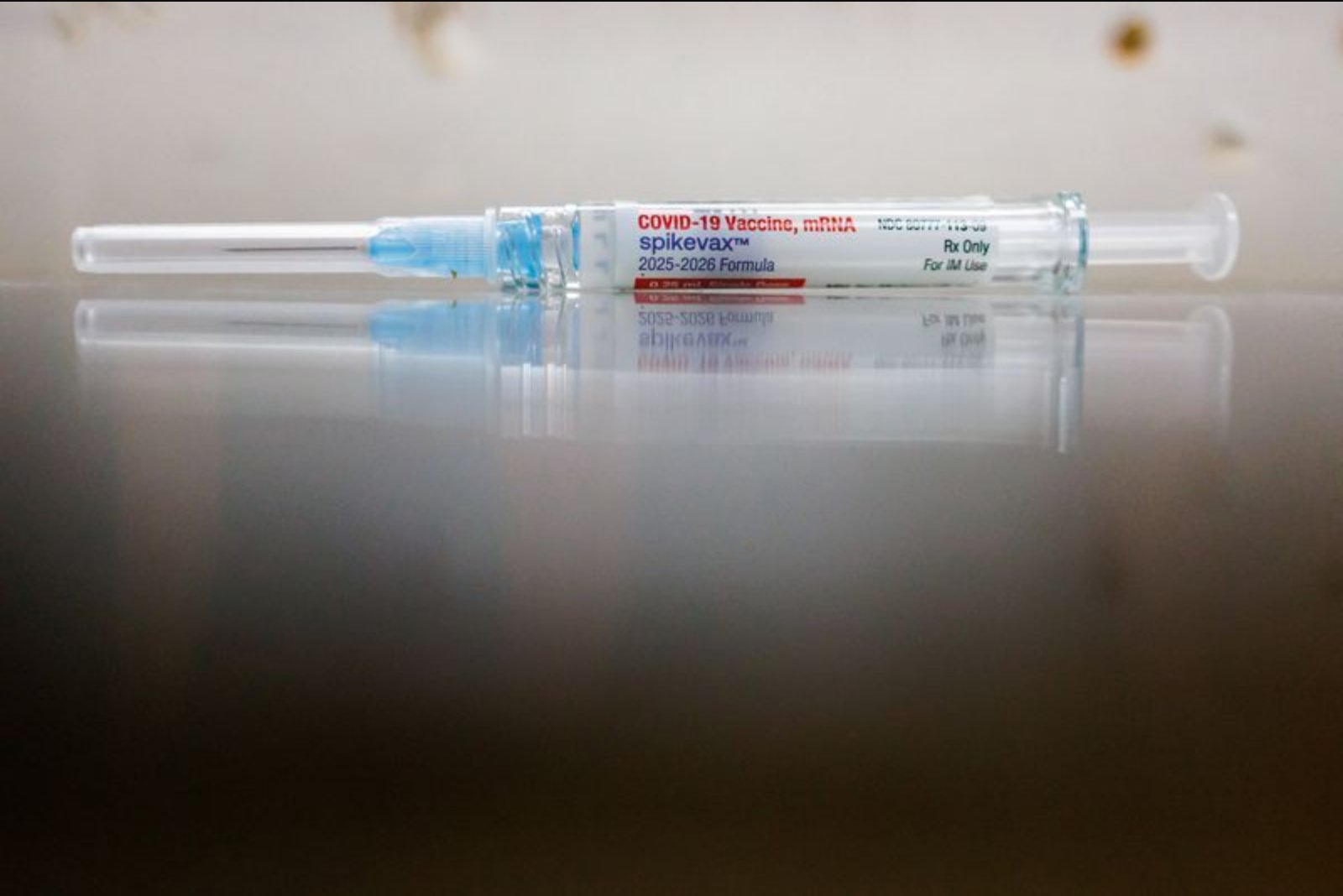
The mRNA vaccines produced by Pfizer-BioNTech and Moderna do not contain live or inactivated virus. Instead, they deliver genetic instructions that prompt cells to produce a viral protein component, which in turn stimulates the immune system to build protection.

Separately, an investment tool referenced in the material posed the question of whether investors should be buying shares of Pfizer (ticker: PFE) at the current time, describing an AI-driven evaluation process that screens companies using a broad set of financial measures. That investment commentary is distinct from the advisory-panel developments described above.


Context for readers:

  • The advisory panel has halted a push to remove endorsement of mRNA COVID vaccines.
  • HHS leadership earlier moved to wind down mRNA vaccine research inside its biomedical unit.
  • The CDC advisors will meet next week to deliberate on vaccine recommendations.

Risks

  • Uncertainty around final CDC advisory recommendations next week could affect public-health guidance and has implications for vaccine uptake and planning in the health sector.
  • Internal policy shifts at HHS, including the earlier decision to wind down mRNA development, create unpredictability for research and development priorities in the biomedical and biotech industries.
  • Limited official comment from HHS on the recent change leaves open questions about the long-term direction of federal vaccine strategy and potential impacts on regulatory and procurement decisions.

More from Stock Markets

U.S. Futures Largely Flat as Oracle, Uber Lead Premarket Gains; Campbell's Slides Mar 11, 2026 Wolfe: Tax Refunds and Fiscal Support Should Cushion Consumers Against Recent Fuel Price Spike Mar 11, 2026 Israeli Officials See No Guarantee of Regime Change in Iran Despite Intense Bombing Mar 11, 2026 Deutsche Bank Raises Argenx to Buy, Cites Improved Valuation and Vyvgart Momentum Mar 11, 2026 Uber to Add Zoox Robotaxis to Its Network, Launching Service in Las Vegas This Summer Mar 11, 2026